Vali Aelantarov
Krov Alf Tsar
ᚹᚨᛚᛁ ᚨᛖᛚᚨᚾᛏᚨᚱᛟᚹ
ᚲᚱᛟᚹ ᚨᛚᚠ ᛏᛋᚨᚱ
Yfirlit ᚢᚠᛁᚱᛚᛁᛏ
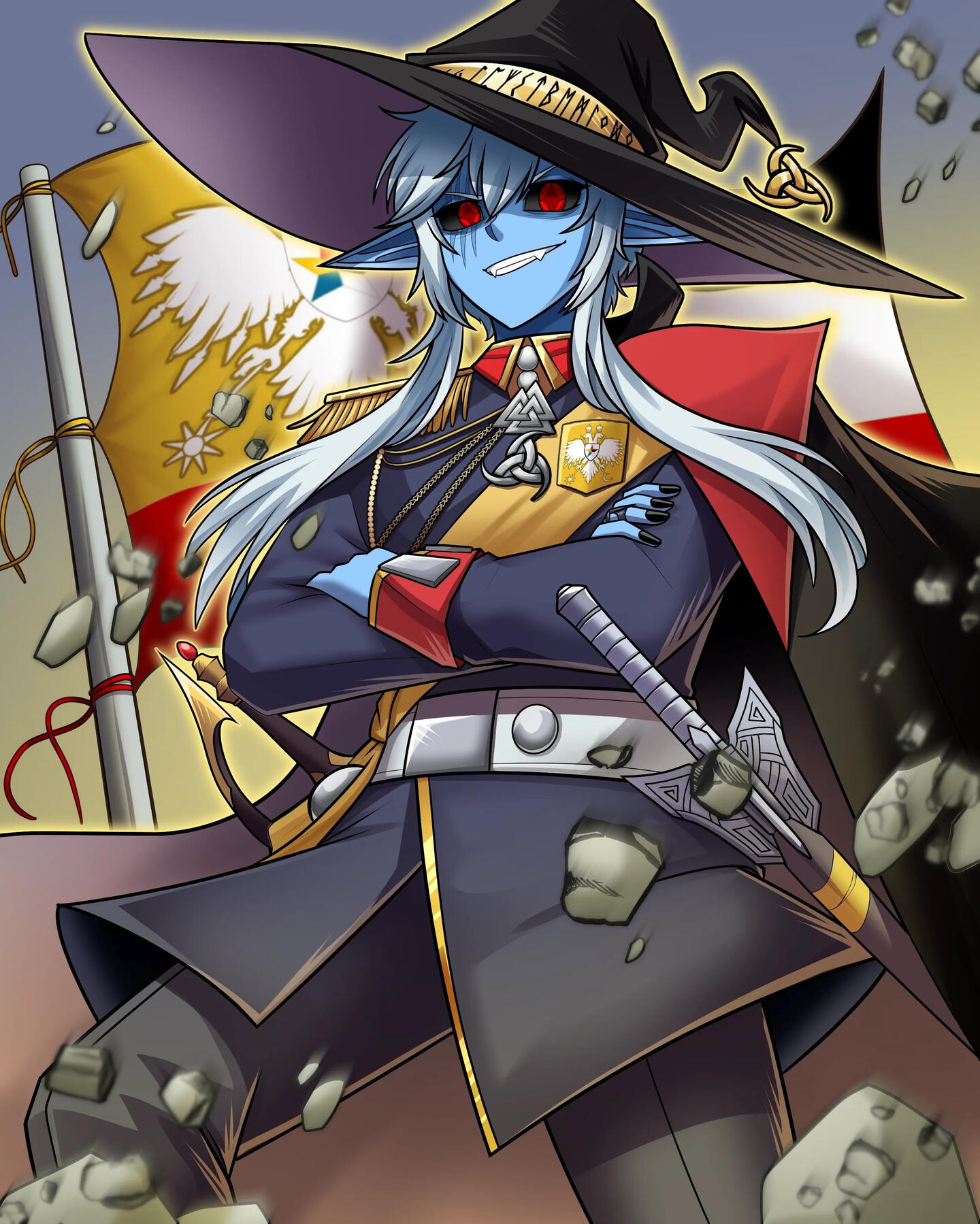
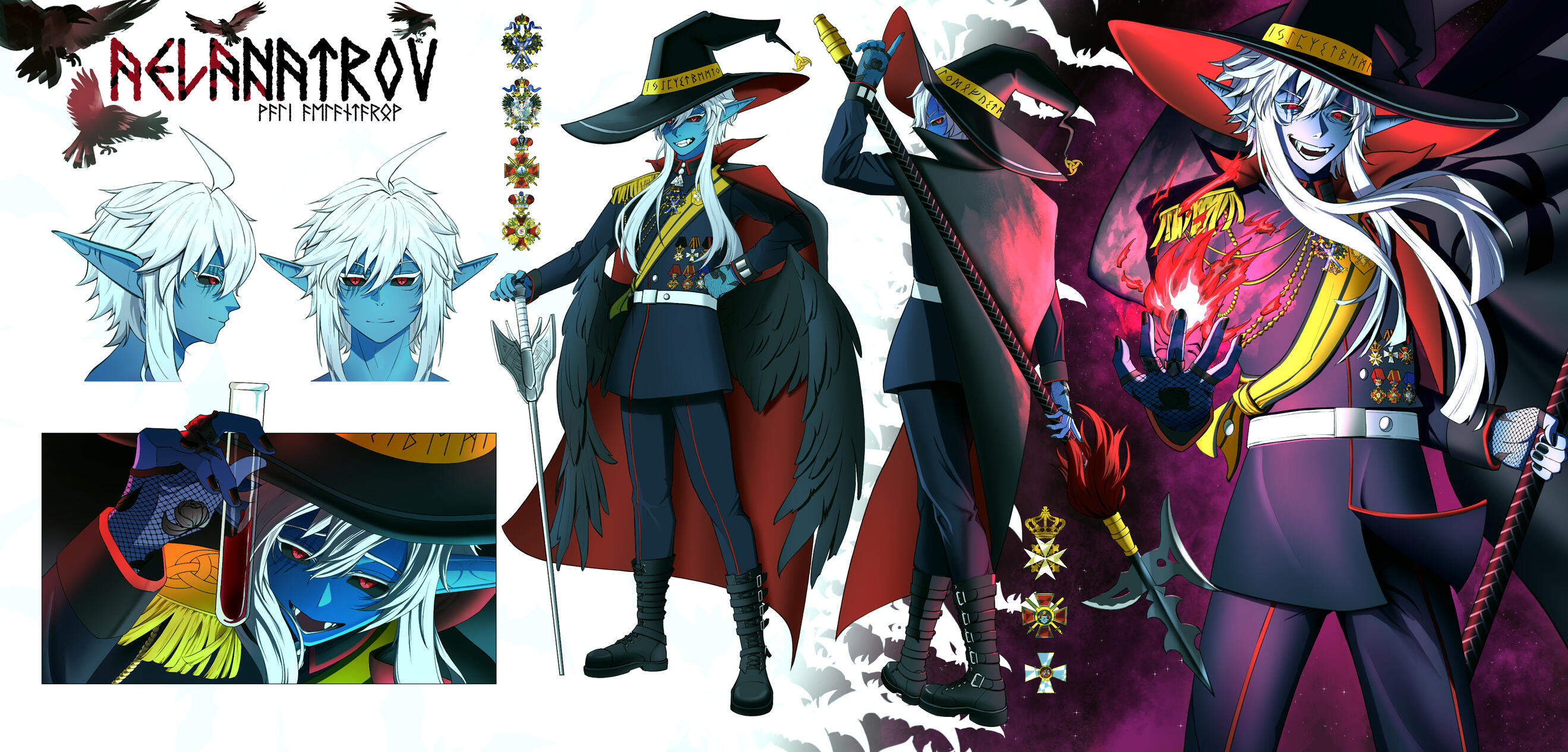
Name: Vali Vargrsson Aelantarov-LyhundraVoiceclaim: Takehito KoyasuOrigin Point: Álfheimr, home of the elves, year unknown, but one of the oldest dark elvesCurrent Residence: The AlatyrRace: Vampiric Dökkálfar (Dark Elf)Gender: Male, can shapeshift with magicHeight: 7'2 ft (218 cm/2.18 meters) (Height he restricts himself to)
71'6 ft (2,180 cm/21.8 meters) (True Height)Sexuality: HeterosexualAlignment: Lawful EvilAffiliation: His own faction (Imperial Federation of Aelantar)Role: Emperor, Leader, Teacher, Crafter, WizardTitles, Positions, and Awards:
Царь: Vali is the Tsar of Aelantar first and foremost, its highest authority and emperor, all other titles are superseded by this one.Hǫfðingi Dökkálfar: Leader/Chieftain of the Dark Elves. He specifically oversees the dark elf population on Earth/Midgard as their highest ranking, most senior, and most powerful member of the speciesJarl of Lyhundra: During the early days of his exile, he was the one who set up the Jarldom of Lyhundra, before handing at least public control of it to human nobility, who were the ancient ancestors to King Rurik.Hersir of Jorvik: Chief of Jorvik. Was gained as a conciliatory title after the Great Heathen Army ran over EnglandRussian Titles:
Светлейший Князь (Svetleyshy Knyaz): Most Serene Prince. The highest tier of Russian nobility, usually reserved for the Imperial family or those of exceptional state importance.Вечный Боярин (Vechny Boyarin): Eternal Boyar. An unique title acknowledging his service to the Rurikovich line since the beginning.Действительный тайный советник 1-го класса (Deystvitel'nyy taynyy sovetnik 1-go klassa): Actual Privy Councilor, 1st Class. The highest civil rank in the Table of Ranks, equivalent to a military Field Marshal.Главноуправляющий Собственной Е.И.В. канцелярии (Glavnoupravlyayushchiy Sobstvennoy Ye.I.V. kantselyarii): Chief Administrator of His Imperial Majesty's Own Chancellery. He oversaw the Tsar's personal political and supernatural special projects.Генерал-фельдмаршал (General-feldmarshal): General Field Marshall was a rank awarded to Vali to ensure he would be able to perform as needed against supernatural threats, and would be able to call upon members of the Imperial military to accomplish any set task that he might need them for to contain supernatural threats.Сенатор (Senator): A member of the Governing Senate, the highest legislative and judicial body.Окольничий (Okolnichy): An elite court rank from the Muscovite era, putting him in the inner circle of the early Tsars.Russian Awards & Orders:Order of the Holy Apostle Andrew the First–Called: The Empire's highest honor.Order of Saint John of Jerusalem: Russian variant of the Maltese CrossOrder of Saint George: Highest award linked to military service.Order of St. Vladimir: Awarded for continuous, exceptional civil service.Order of St. Alexander Nevsky: For distinguished military and state service.Order of the White Eagle: (Imperial Russian version, after the partitioning of Poland).Order of St. Anna: A high-ranking state award.Order of Saint Stanislaus: Dynastic Order of Knighthood.Foreign Titles and Awards:Byzantine Empire: Panhypersebastos (Honorary Court Dignity) and The Golden Maniakis. These were tokens of high esteem for a noble barbarian protector of the throne.Holy Roman Empire / Austria: Reichsgraf (Imperial Count) and Order of the Golden Fleece (Honorary). This title allowed him to travel and lodge as a gentleman but gave him no seat in the Imperial Diet.Sweden: Commander Grand Cross of the Order of the Sword and Knight of the Seraphim. These were awarded for his mediation during various Russo-Swedish conflicts.Prussia: Order of the Black Eagle. A diplomatic courtesy awarded to the Tsar's most trusted advisor.Denmark/Norway: Knight of the Order of the Elephant. A nod to his ancient Norse heritage, purely ceremonial in nature.The Ottomans: The Nişan-ı İftihar (Order of Glory). A secular decoration given to friendly foreign dignitaries of high standing.The Dutch: Knight of the Order of the Netherlands Lion. Awarded for his role in coordinating Russian trade through Dutch ports.Bavaria: Order of Saint Hubert. A high-society social award for his participation in royal hunts and galas.
Personality: Vali at his base is a monster who does understand humans, but always plays it off that he doesn't. When everything else about him is stripped away, all that is left is a creature willing to do horrific things with nary a care in the world. Its how even with his usually amicable persona that displays respect and positivity, that Vali within his mind already put through colder calculus, mainly considerations on who is disposable to him and who isn't.He isn't a psycho/sociopath in the normal human way of things, he can still genuinely love, feel respect, deference, joy from things that those two groups can't.Outside of this though, Vali is both a focused ruler and a scientist. Most of his Empire's reverse engineering and outright inventions are his doing, maybe a little refinement aid by fellow scientists but he by himself is responsible for 90% of progress of his realm. He researches magic, physics, and more with fervency, always trying to push the tech he currently has to a higher point.Vali is also very.. easily enamored with people. While he can kill people by the millions without a care, he can also in the same breath come to love millions with equal strength. It is how he as a ruler is able to maintain such a good grip on his Empire, the willingness to kill and to love without letting one corrode the other is a trait human leaders oft struggle with, but not so for him.
Saga ᛊᚨᚷᚨ
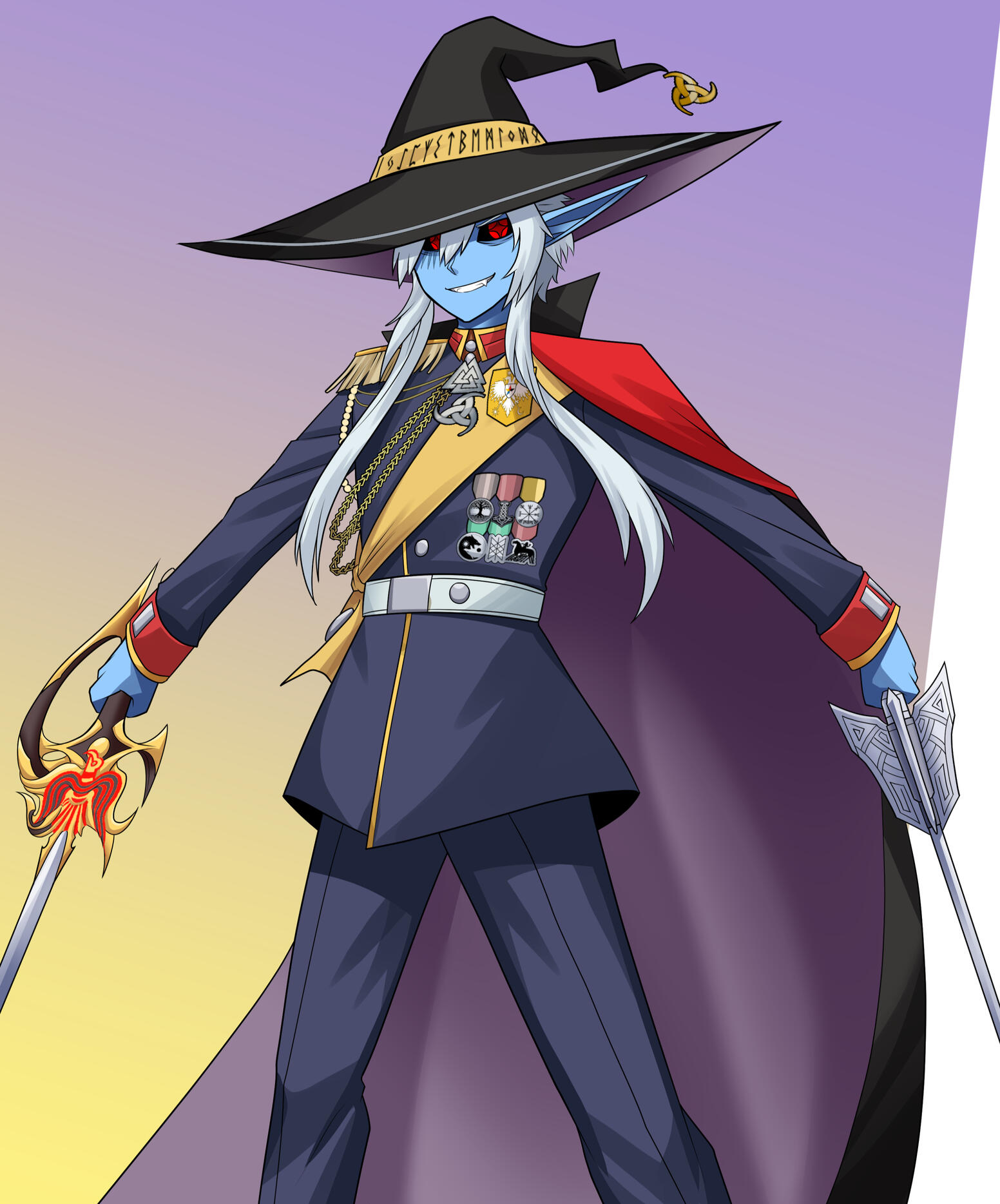
Vali’s origins lie in the twilight of Alfheim, born as a Dark Elf whose immortality was tethered to the consumption of blood. This biological curse led to his early exile to Midgard, where he settled in Lyhundra, Sweden. During this primitive era, he exhibited a far more predatory and wild nature hunting down humans in the nearby woods to consume them, and slowly, over a long period of time, learning how to socially adapt to the point he stopped being a violent cur. When his ways changed, he started naturally gaining followers, which started rooting him in place. He established a Jarldom as a secure base of operations but soon entrusted its governance to human supporters at around the 1st century BCE, a move that caught the attention of Odin. The Allfather took him as a student, guiding him through the complexities of Norse magic and involving him in the pivotal legends of the era. Vali acted as a silent assistant in the Völsunga saga, exposing the duplicity that plagued Sigurd and Brynhildr while not interferring in the rest of the tragedy, and traveled the Nine Realms with Odin, though he spent much of his time in Asgard, refining his craft in a realm that better matched his own elven nature.After graduating from Odin’s tutelage, Vali’s curiosity led him to the British Isles during the height of the Arthurian legends. He took no side in the mortal conflicts, instead acting as a scholarly observer to study the varied magical signatures of figures like Merlin and Morgan le Fay, as well as the unique nature of the local Fae. Following the Battle of Camlann, he traveled to Denmark to seek a different kind of education under Beowulf. While his time with Odin had been defined by the arcane, his time with the Geatish King was a grueling physical transformation. He trained to become a direct combatant, aiding Beowulf against Grendel and the dragon by offering enchantments and weapons. Though he offered the king power that would guarantee his victory, Beowulf’s refusal of the most powerful boons ultimately led to his death, a lesson in human stubbornness that left a lasting impression on Vali’s cynical outlook.His transition into the Viking Age saw him bond with Ragnar Lothbrok, where he made the conscious decision to restrict his elven powers to fight as a peer alongside his friend. They raided across Western Europe together, but Vali used his downtime to serve as a Varangian Guard in Byzantium, earning the title of Protospatharios and the Golden Maniakis. When the Rurikovich line, descendants of the humans he had once protected in Lyhundra, were invited to rule the Rus lands, Vali established a permanent residence in Novgorod and became a student of Veles. The death of Ragnar, however, broke his restraint. He led the Great Heathen Army with devastating fury as one of its commanders alongside the sons of Ragnar, specifically targeting Northumbria in a campaign of vengeance that solidified his reputation as a terrifying force of nature.In the centuries that followed, Vali transitioned into the role of the Kievan Rus' supreme supernatural advisor. His position was often a point of contention with the Orthodox Church, leading to a recurring cycle where he would sardonically resign, watch the Church fail to handle unrefined spiritual threats, and be rehired at a higher premium. During the time of Ivan the Terrible while still serving as a loyal advisor, Vali used it to reflect on his own cruelty, finding most of the cruelty and evil Ivan was inflicting to lack any meaning, so he mentally checked out until Ivan ad his line perished. Upon the ascension of the Romanovs, he was granted the title of Svetleyshy Knyaz (Most Serene Prince) for his neutrality and state service. He accrued a massive portfolio of Russian titles, including Actual Privy Councilor 1st Class and General-Feldmarshal, giving him the legal authority to command Imperial troops during supernatural containment missions. He was the key diplomat for Russia's occult interests, receiving honorary awards like the Order of St. Andrew the Apostle and the Prussian Order of the Black Eagle while ensuring the Empire stayed competitive against foreign supernatural factions.By 1895, Vali recognized the irreversible rot within the Russian state and shifted his location to the German Empire empire first, before heading east. He traveled through China, Manchuria, and Mongolia, observing the shift of global power. When the Russian Civil War erupted, he used his resources to rescue reformist officers and their families, but his patience with Midgard had finally run thin. Using his ability to travel to other realms for an extremely ambitious project, the building of a space warship. He traveled to other universes and dimensions, and with how time works it meant back home not even seconds passed in the hundred years of sheer work and knowledge gathering. Through travel in other worlds he found out the history humanity would follow, making him feel like all his effort to steer the Russian state was for nothing, having refused to use future sight before this point and discovering the fact right in that moment nearly enraged the elf, and motivated him further on his grand project. Integrating his Norse and Slavic magic with advance technologies he ripped from a multitude of worlds, and ripping the blueprints of an already existing ships from "A timeline whose story sucks, so likely not many will complain about my intellectual property theft". He converted the rescued families into a loyal crew for the ship, as well as integrated the Midgard Dark Elf population into the crew as well. He now watches the world from the silence of orbit, occasionally jumping across dimensions, entirely detached from the civilized order he spent two millennia trying to preserve. He visits his home earth still at times for the novelty, but the spark to interfere in a world where destiny was predetermined was all fizzled out...Other worlds however, those could be more interest to mess with. Vali proceeded to spend the next few millennia building up a fleet of ships around the one capital ship he made. Visiting different worlds he made off with their resources, either through legal trade, or becoming another participant in a conflict and pillaging what was left of the opposition. Entire planets were strip mind all the way to their core to construct the grand fleet of Aelantar. Only when its new center piece was complete, did he proclaim himself Tsar. Now with such a grand task accomplished, the next step is naturally to make a world for themselves, named Mir. All resources and efforts are now pointed that way.
Hæfileikar ᚺᚨᚠᛁᛚᛖᛁᚴᚨᚱ

Vali is a Vampiric Dark Elf who is a high-tier living weapon, blending peak physical lethality with a crushing psychic and magical presence. In a fight, he mixes all his various abilities together seamlessly and without break, his mind processing and sending out attacks like lines of compatible code churned out by a omputer. His power is built on a three-fold mastery of the body, the mind, and the metaphysical, allowing him to use vocal commands, blood-rites, and runic script to force the laws of reality to obey his will.
(Dark) Elf Physiology

Elf Physical Make Up
Vali real size is frankly too much most of the time, and he has to condense his form. He devised a to fold his 21.8 meter stature down to a functional 2.18 meters, and its the size he sticks to most the time. This is accomplished by his psyker abilities, natural to all elves, that will be covered later. All elves sport Hybrid-Lattice Muscle Fibers, this unique musculature merges the explosive power of fast-twitch fibers with the tireless endurance of slow-twitch ones, granting him the strength to exert great force or maintain peak combat speeds for years without fatigue. His movement lacks the micro-stumbles or muscular twitches of human biology, creating a sliding faultless grace that makes him appear to move through air as if it were a different medium entirely. This is further enhanced with Psyker abilities that make that grace even more pronounced to an outright uncanny degree.His sensory capabilities operate on a spectrum far beyond mortal limits. Along his upper lip, Pit Organs function as infrared sensors, providing a high-resolution thermal map of his surroundings that allows him to track a heartbeat through a brick wall or detect the faint energy bloom of machinery miles away. His eyes do not require photons, they are tuned to the dark, rendering ley lines, thermal currents, colors, and the shape of shadows as a vibrant, textured landscape. These are bolstered by hyper-acute senses of hearing, taste, smell, and touch that can detect minute pressure changes or chemical shifts in the atmosphere.Other additional features elves have that would make them odd when peered within is: an extra heart, streamlined digestive system that breaks down food and substances far more thoroughly, all of them being double jointed, the lungs having more obvious inbuilt filters, the brain being extremely wrinkly, four kidneys, the liver having a sub-liver, and other features too small to list. Additionally the way the organs are shaped is alien comparative to other animals on earth.
Pysker Powers
The Elven brain functions as a Multi-Dimensional Archive, a hyper-dense organ that de-indexes information to store eons of data with perfect fidelity. This immense mental mass generates a Passive Telepathic Field, a permanent psychic frequency that hums around Vali like static-like pressure. If this field is not consciously contained, it causes immediate psychic overload in nearby individuals, leading to nausea, sensory static, and mental collapse. This field serves as the foundation for his psychic mastery, allowing for seamless memory sharing and telepathic dialogue across vast distances, often coordinating thousands of minds simultaneously. At its peak he can perform Battle Meditation, which is where he is able to interface with his armies to all act in concert sharing the same intent and information, turning them into a nearly unbeatable hivemind.Beyond communication, Vali possesses immense Telekinetic and Cognitive abilities. He can read, manipulate, or entirely rewrite a subject’s personality, motor functions, and memory. His psychic weight extends into the physical realm, allowing him to manipulate objects with precise telekinesis, from intercepting meteors with a thought to crushing a ship's hull. These powers often manifest visibly when used with high intensity, crackling arcs of psychic energy can bleed into the physical world, shredding both the mind and the soul of those they strike. He can manifest this energy into condensed Psychic Blades and Shards, invisible thought-constructs that bypass physical armor to strike the target's essence directly. By exerting his mental mass against the fabric of existence, he can indirectly manipulate space, pinching reality to travel instantly or tearing open localized holes in the void to swallow threats.The most violent and lethal psychic creation is known as a "Thought Bomb", at least for entities that are of far lesser age and who have less brain complexity that would be able to store information. He creates a psychic bubble that can contain from as much as a single piece of irrelevant information even a gnat can process, to stuffing it with every single piece of knowledge he picked up over millennia into a condensed shape that when it detonates, could overload the minds of an entire civilization. He was inspired by 'thought bombs' of different origins and use, and reverse engineered them with his own abilities in mind.
'Vampiric' Powers

The vampirism that Vali is inflicted with in specific, is a primordial acausal anomaly that first manifested in the deity 𓊏𓌨𓂋𓈗 (Shezmu), the Egyptian god of the wine press and execution. In the sacred tongue of the Nile, this condition is recognized as 𓊃𓈖𓆑𓂝𓇳𓏤 (Snf-ˁ-Rꜥ), the "Blood of the Long Duration". Struck by this condition in a single, timeless instant, those afflicted became the ⲡⲓⲁⲣⲭⲁⲓⲟⲥ (Pi-Archaios), known in Hieroglyphics as the 𓄂𓏏𓏭𓅱𓀀𓏪 (Ḥꜣt-yw), or The Primordial Ones. This curse granted a select few, ranging from gods to humans, a form of Absolute Uniqueness. Within the multiverse, there is only one instance of Vali, he has no alternate selves or parallel echoes. This singularity makes him a fixed point in reality, immune to temporal paradoxes or erasure, but it requires a constant anchor to remain tethered to the physical world. This curse can also be willingly passed on by draining a normal entity of blood, and then replacing it all with the blood of the primordial, though if done haphazardly it causes mutations, which eventually led to the advent of new era vampires. Unlike the New Era vampires of later centuries, whose bloodlines thinned into weakened mutations that gave them the classical vampire weaknesses and made them undead, a Primordial like Vali possesses the pure, undiluted power of the original infection.The Primordials were born of a state that granted many abilities simply unnatural to the mortal plane. For species not already immortal, it made them so, granting regenerative powers where they can return even from mere drops of blood in seconds. It also functions as a massive force-multiplier for Vali's already dense Elven biology, pushing his strength, speed, and magical output into a realm that transcends standard physical limits. He naturally gained a secondary animal form as a Raven, where he is stuck with raven like wings, can transform into a small full on raven, a giant raven, multiple ravens, or a cross between elf and raven that looks monstrous. Furthermore, he possesses an innate, seamless control over his own blood and the blood of others, allowing him to weaponize his life-force or manipulate the internal biology of his enemies with a thought. Primordial Ones do come with mystic eyes that can manipulate others, but Vali used a ritual to sacrifice that ability to strengthen his already present psychic ones.Because Vali is a biological living being, the curse functions as a total rewiring of his systems to accommodate the consumption of both the blood and the flesh of sentient species. Blood is the fuel that prevents his Mind from fraying and his Physiology from collapsing.A strange blend occurred in his elven abilities and his state as a vampire. When he bites someone, he can sap away at their memories, and consume them for himself. This effect is optional, and increases in strength the closer the bite is to the brain. If his teeth directly pierce into brain tissue, then the effect is instant should he choose to activate it, able to mindwipe and steal everything they know in an instant.For the sake of comparison, he is far closer in nature to a "True Ancestor" from the Nasuverse, than he is to most other vampire types.
Norse Magic
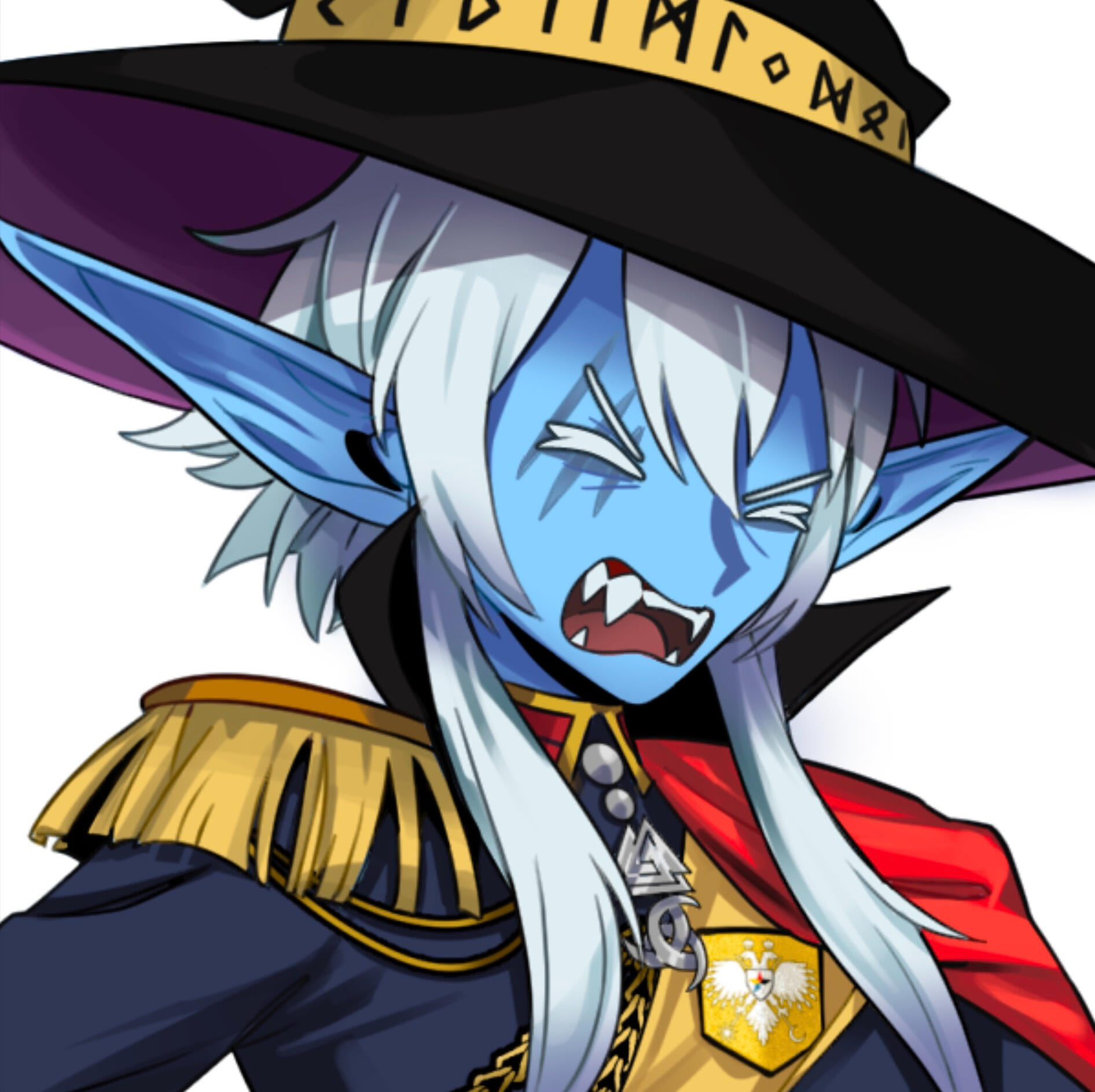
Blóta: Blóta is the bridge between mortal limitations and the authority of the divine. By using blood as a medium, the caster is able to bypass the standard energy requirements of the physical plane. This practice treats every drop of spilled life-force as a sacrificial offering that compels the fabric of reality to yield, allowing for the manifestation of high-tier magic through the spiritual density found only within the essence of living beings. For greater sacrifices however, whole living beings must be sacrificed, their blood, their body, and their soul. The more self aware and powerful a creature, the more power it extracts when they are brought to the gods.By feeding a rune with the ritually shed blood of a worthy sacrifice, the practitioner can anchor their magic directly into the biological or spiritual signature of a target, rendering the runes invisible to nearly all forms of magical detection. These marks are perceived by the universe as a natural part of the target's own existence rather than external spells.Blót also grants casters access to the art of Spá, a high-level form of prophetic sight that uses the released energy of a sacrifice to peer into the shifting threads of fate with far more pinpoint accuracy than even Seiðr. One can bridge the gap to the well of destiny, gaining immediate strategic foresight or glimpses of impending outcomes. Spá also allows one to rip the memories out of already deceased corpses, and could turn every death on the battlefield into a source of intelligence.In the heat of combat, the practice of Blóta merges seamlessly with hemomancy to create a lethal style of combat. One can flash-forge runic arrays in mid-air using their own ichor or the spray from wounded enemies, turning the chaos of the front lines into a self-sustaining engine of power.
Seiðr: Seiðr is a specialized form of shamanism that operates entirely within the subtle layers of fate and the human psyche. While human society historically attached a stigma of being unmanly to such practices, the modern day has washed away such assertions. Seiðr is a tool of efficiency that allows one to dismantle an opponent before a single blade is ever drawn. It is a craft of the intangible, focused on the unseen threads that govern how a person thinks and how the world responds to their presence.Through the application of Scrying, one can bypass the standard limitations of sensory perception to peer directly into the immediate past or the most probable near-future. By witnessing the exact steps an enemy took to reach their current position, or identifying the single point where their resolve might break in the coming minutes, one can gain a level of strategic foresight that makes their reactions seem preternatural.Wyrd Manipulation, or the art of Destiny-Weaving, allows one to exert a quiet influence over the possibilities of a situation. While one cannot use Seiðr to completely rewrite the grand tapestries of fate unless they are a Norn, practitioners can nudge the individual threads to amplify or dampen specific outcomes. Under their influence, a rival’s well-planned maneuver might suddenly fail due to an improbable string of bad luck, while the caster's own assets find themselves benefiting from sudden, inexplicable opportunities. It is the ultimate weapon for a schemer, turning the environment itself into a silent accomplice that favors his will.Finally, Seiðr provides a devastating medium for Psychic Assaults that target the very core of a being's identity. One can use these techniques to flood a target’s mind with overwhelming existential despair, paralyzing fear, or a sense of debilitating paranoia. When combined with existing psychic abilities, this makes for a non-physical weapon that can leave a powerful warrior catatonic or a brilliant leader broken and unable to issue commands.
Primordial Runes: Runecraft is a type of magecraft that uses the Scandinavian writing system, and actualizing the power within those letters. Primordial Runes are the ones known by the Allfather, Odin himself, and thus carry a lot of power. Runes by themselves already hold inherent powers and effects, but when combined together to form words in Old Norse, the effects can be more specialized, or more intense depending on the word. such an arrangement can be called a Rune Array. One can even improvise by using words in Icelandic or Faroese, since those languages are close to their root language, but those words won’t be as strong as the ancient words filled with mystery. For example, using a certain arrangement of runes, they can be used to transverse into alternate dimensions and multiverses.ᚠ (fehu): Represents the fundamental principle of accumulation and the directed flow of essence. In a passive state, it operates as a localized attractor for prosperity and material stability, subtly aligning external circumstances to ensure the steady growth of resources and the prevention of scarcity. When activated as a functional enchantment on an object, the rune serves as a predatory conduit for energy extraction. Upon physical contact with a target, (whether a biological entity, a magical construct, or a technological system) the rune destabilizes the target's internal energetic lattice and forcibly siphons its mana or power. Fehu captures and stores it within the striking object, this essence can then be transferred to a secondary host, allowing a practitioner to replenish their own internal reserves or fuel separate magical processes.ᚢ (uruz): Represents command over the organic form. Rather than being a mere catalyst for growth, it acts as a governing script for living tissue. When carved into a biological host or applied through direct contact, the rune establishes a dominant link over the cellular and muscular structure of the target. This allows for the precise reconfiguration of organic matter, enabling the wielder to accelerate healing, harden skin into armor-like density, or forcibly override the motor functions of a living being. It operates on the fundamental level of the "will to be," granting the power to either bolster a body’s natural resilience to supernatural limits or to manipulate a target’s anatomy from the inside out. Since it treats flesh and bone as a moldable medium, the rune transforms biological limitations into a variable that can be edited, strengthened, or subverted at will.ᚦ (thurisaz): Functions as a conduit for atmospheric and kinetic electrical discharge, acting as both a catalyst and a failsafe for the wielder. Primarily, the rune operates as a lightning elemental attuned symbol, capable of drawing in, concentrating, and projecting massive electrical arcs with focused precision. It allows the wielder to weaponize raw voltage, turning the blade or object into a lightning rod that can discharge energy either as a direct strike or a wide-area suppression field. Beyond its offensive capacity, Thurisaz embodies the concept of Battle Continuation through a reactive resuscitation mechanic. If the wielder sustains damage that would otherwise be fatal, the rune acts as an automated defibrillator for the soul and body. Through burning through a sufficient threshold of stored energy, it can forcibly restart vital systems, knit together catastrophic trauma, and keep the user in a state of combat readiness despite mortal wounds. It acts as a violent surge of vitality, refusing to let the host expire so long as there is power available to fuel the restoration.ᚱ (raido): Serves as command over movement, rhythm, and the mastery of transit. When applied to a person, it functions as a kinetic accelerator, streamlining the user’s physical mechanics and reflexes to achieve speeds and reaction times that exceed natural biological limits. It removes the friction of intent, allowing for a seamless transition from thought to motion. When engraved upon a vehicle or a mount, the rune’s functionality expands into a cognitive and mechanical interface. It establishes an immediate link between the pilot and the craft, granting the rider an instinctive understanding of its controls, limitations, and maneuvering capabilities, effectively erasing the learning curve for even the most complex machinery. Simultaneously, the rune overrides the physical constraints of the vessel or beast, reinforcing its structural integrity and optimizing its output to allow for performance levels, durability, and velocities far beyond its original engineering or biological specifications.ᚲ (kaunan): Acts as a metaphysical bridge between the physical world and the void, granting the wielder dominion over shadows and the absence of light. The rune functions as a reservoir that passively accumulates power while submerged in darkness, converting the lack of photons into a malleable substance. This energy can be externalized to manifest physical constructs (such as blades, barriers, or chains) that possess the density of solid matter despite being composed entirely of shadow. The rune’s primary utility lies in the direct manipulation of the wielder's own shadow, or the shadow of any object into which the rune has been carved. Once tethered, the shadow ceases to be a mere silhouette and becomes an extension of the wielder’s reach, capable of independent movement, constriction, or lethal piercing attacks. Because the rune is fueled by the environment, its potency scales with the depth of the surrounding gloom, allowing for near-infinite creation of weaponry and defensive layers so long as the light remains absent.ᚷ (gebo): Functions as the rune of the Sacred Bond, governing the exchange and redistribution of essence between distinct entities. It establishes a metaphysical contract that facilitates the seamless transfer of vitality, mana, or even conceptual attributes from a donor to a recipient. When activated, the rune acts as a conduit that eliminates the loss usually associated with energy transmission, allowing a wielder to bestow their own life force or magical reserves upon an ally. This gifting mechanic can be used to instantly pull a target back from the brink of death or to supercharge a subordinate’s abilities by offloading the wielder’s excess power. Furthermore, the rune can be used to create a permanent or temporary shared network, where a group of individuals becomes a single energetic pool, ensuring that resources are automatically diverted to whoever is most in need, effectively making the strength of the most powerful member the baseline for the entire collective.ᚹ (wunjo): Functions as the anchor for psyche integrity, serving as a metaphysical seal that fortifies the individual against all forms of external intrusion or internal subversion. It effectively locks the consciousness into a state of structural coherence, rendering the soul opaque and nearly impenetrable to telepathic, sensory, or empathic interference. This warding mechanism creates a feedback loop that detects unauthorized attempts at mind-reading or cognitive manipulation, immediately neutralizing the intrusive force and protecting the wielder’s true intent, memories, and core identity from being accessed or rewritten.ᚺ, ᚻ (hagalaz): Functions as a metaphysical blight that bypasses physical defenses to directly assail the core of a target’s being. By resonating with the frequency of entropic decay, the rune initiates a sustained siphon that systematically degrades the structural integrity of the target’s soul, effectively eroding its potency and suppressing its ability to manifest or channel energy. This process functions much like a psychic erosion, where the victim experiences a progressive loss of vitality, willpower, and clarity as their internal strength is forcibly bled away. While the rune possesses the capacity to render a target into a state of spiritual exhaustion or near-total collapse, it is fundamentally incapable of fracturing or annihilating the soul itself. It acts instead as a tool for subjugation, ensuring that any entity caught within its influence is stripped of the strength required to resist or counter the wielder’s will.ᚾ (naudiz): Functions as command of necessity and the imposition of a desired outcome upon reality. Unlike fehu, which governs the gathering of resources, this rune governs the narrowing of possibilities, forcing a specific, wielder-defined result to become the inevitable consequence of a sequence of events. When used, it acts as a determinism engine that suppresses chaotic variables and probabilistic interference, ensuring that a preferred trajectory (such as the flight path of a projectile or the result of a gamble) manifests with mathematical certainty. When applied to physical munitions, it embeds a tracking directive into the object’s kinetic path, allowing the projectile to adjust its trajectory in real-time to compensate for target evasion, environmental interference, or distance.ᛁ (isaz): Functions as command over thermodynamics and the cessation of molecular motion. The rune acts as an entropy-sink that forcibly halts the kinetic energy of all affected particles within its grasp, inducing an instantaneous transition into a state of structural rigidity. When inscribed upon an object, it coats the surface in a layer of absolute-zero crystalline lattice that is nearly impervious to physical stress or thermal erosion. When projected, it draws the heat out of the surrounding environment to manifest high-velocity shards, barriers, or entombing masses of ice that possess the hardness of diamond. Because this rune mandates the removal of kinetic agitation, anything it strikes is subjected to thermal shock.ᛃ (jera): Functions as a temporal accelerator that forces the entropy of a target to progress along an abbreviated path. The rune acts as an engine of rapid maturation and condensed causality, compressing the natural duration of an event into a fraction of its intended timeline. In a combat application, this rune serves as an engine of attrition and tactical disruption. When applied to a wielder’s weaponry or battlefield position, it can force the rapid decay of enemy armor or accelerate the velocity of a blade’s swing, making attacks land with the weight of accumulated momentum before an opponent can adjust. Furthermore, it can be used to skip the recovery period of a machine or a wound, forcing the target’s physical state to cycle forward to a point of repair or exhaustion instantly.ᛇ (ihwaz): Functions as the command over botanical and mycological growth cycles, establishing a direct link to the developmental logic of non-animal life. The rune operates as a dynamic toggle between rapid proliferation and instantaneous senescence, granting the wielder the ability to trigger explosive, unnatural growth or force the immediate collapse of organic material. In a structural or defensive context, this rune can be used to weave sturdy, living barricades from dormant seeds or to induce the rapid formation of dense fungal networks that can obstruct, digest, or destabilize physical structures. Beyond its utility in cultivation, the rune’s capacity to wither makes it a potent tool for environmental sabotage, allowing the wielder to rapidly disintegrate wooden fortifications, degrade organic fibers, or neutralize plant-based obstacles by forcing them to cycle through their entire lifespan in mere seconds.ᛈ (perth): Functions as the command for systemic disintegration and the violent liberation of contained potential. The rune acts as an initiator for catastrophic feedback loops, forcing the internal lattice of a target to collapse in on itself. When inscribed upon a vessel, whether a magical construct, an engine, or a biological system, it strips away the stabilizers holding the target’s energy in equilibrium. As the internal cohesion fails, the captive mana, thermal capacity, or raw fuel is forcibly projected outward in a localized surge. This creates an immediate, destructive release of force, turning the target into the focal point of a kinetic or magical detonation.ᛉ (algiz): Functions as the primary aegis of defensive redirection and structural fortification. It establishes a resilient energetic perimeter that actively detects and deflects incoming threats. When applied to a surface or an individual, the rune creates a semi-permeable field that stabilizes the surrounding space, causing kinetic energy from physical strikes to dissipate harmlessly across the shield’s surface rather than impacting the host. Against magical or energetic assaults, it acts as a dampener, absorbing the attack and refracting away its remaining energy. While its capacity for total negation is tied to the wielder's reserves and the intensity of the incoming force, it serves as the definitive safeguard against overwhelming aggression.ᛊ, ᛋ (sowilo): Functions as the catalyst for thermal excitation and the direct manifestation of solar-equivalent energy. The rune acts as an active emitter for intense thermal radiation, capable of forcing any inscribed object or designated area into a state of rapid molecular agitation. In offensive applications, it can be triggered to discharge concentrated lances of superheated plasma or to cause the surface of an object to spontaneously ignite at temperatures that bypass conventional combustion. Beyond its capacity for immediate destruction, it serves as an efficient tool for wide-area thermal manipulation, allowing the wielder to melt through barriers, incinerate non-combustible defenses, or alter the ambient temperature of an environment to render it inhospitable.
ᛏ (tiwaz): Functions as command for systemic reinforcement and the binding authority of oaths. In its martial capacity, it acts as a force multiplier for the wielder’s physical and spiritual core, structurally hardening the body and heightening muscular output to achieve peak combat efficiency. It imposes a higher standard upon the wielder's capabilities, ensuring that performance remains consistent and elevated even under extreme duress. In its conctract capacity, the rune serves as the ultimate seal for binding agreements and complex contracts. When inscribed upon a compact or invoked during a formal pledge, it creates an inescapable tether between the parties involved, mandating adherence to the stated terms through a metaphysical guarantee. Should any party attempt to subvert the agreement, the rune acts as an impartial arbiter, enforcing the consequences of the breach with the same unyielding precision that it applies to the wielder's physical strength.ᛒ (berkanan): Functions as a dual-use rune for tracking and earth manipulation. Its tracking function operates through a direct, metaphysical tether, and by imprinting a portion of a target’s essence upon the rune, the wielder creates an unerring spiritual compass that points toward the target’s location regardless of distance, interference, or physical barriers. This connection bypasses conventional detection methods, operating on a purely magical level to maintain an unbroken lock on the subject. Independent of this surveillance, the rune grants geokinetic authority, enabling the wielder to manipulate the composition of the earth, including stone, mineral veins, and raw soil, with precise control. This allows for the rapid reconfiguration of terrain, such as the liquefaction of dense rock, the extraction of hidden metallic components, or the transmutation of dirt into fortified structures.ᛖ (ehwaz): Functions as command for metaphysical reinforcement and kinetic transmutation, granting the wielder the ability to elevate any object to a state of transcendent structural integrity. When inscribed upon a tool of war, the rune acts as an arcane multiplier that pushes the material’s properties far beyond its natural limits, causing even a basic iron blade to possess the durability and cutting edge of a legendary artifact. It locks the object into a state of stability, allowing it to withstand impacts that would shatter standard steel and strike with an force that ignores mundane armor ratings.ᛗ (mannaz): Functions as command over atmospheric pressure and the manipulation of kinetic currents, granting the wielder total dominion over the movement of air. The rune acts as an architectural tool for the atmosphere, allowing the caster to condense wind into high-density, razor-sharp blades capable of shearing through solid defenses at a distance. When applied as a defensive or augmentation layer, it encases the wielder or their equipment in a sheath of violently oscillating, mana-charged currents. This rune can also naturally speed up the caster, and allow them to fly easily.ᛚ (laguz): Functions as command over aqueous states and molecular cohesion, granting the wielder the ability to manifest, stabilize, and reform water into any desired geometry. In its offensive configuration, it forces water into high-pressure lances, cohesive blades, or projectiles that possess the density of tempered steel upon impact. The rune’s true utility, however, lies in its restorative potential: by manipulating water at a cellular level, it acts as an advanced medical tool that forcibly irrigates wounds, purging toxins, debris, and contaminants from the site of injury before using the fluid to accelerate the regeneration of damaged tissue. This dual-purpose cycle ensures that the wielder can operate effectively as both a frontline combatant and a battlefield medic, turning the most fluid element into a means of both structural eradication and biological preservation.ᛜ, ᛝ (ingwaz): Functions as command for biological plasticity and the imposition of charismatic influence. In its psychological application, it acts as an amplifier of the wielder’s presence, subtly warping the perceptions of those nearby to foster compliance, attraction, or an innate sense of trust. It aligns the target’s baseline emotional state with the wielder’s intent, making one’s words or presence carry the weight of an established authority. In its physical application, the rune governs the total reconfiguration of one's own biological structure. By maintaining the principle of mass-equivalence, the rune allows the wielder to shift their form into any other creature or humanoid figure, provided the total volume and density remain constant.ᛟ (othala): Functions as command for territorial manifestation and ontological anchoring. When inscribed or activated, it carves out a localized domain where the laws of reality are rewritten to prioritize the wielder’s intent. Within this defined boundary, the wielder undergoes a state of harmonization, and their mana reserves are tethered to the geography, granting them a massive stamina and an unprecedented level of precision over their magical output. This effect can be extended to allies, granting them a share of the wielder's enhanced stability and power. Because the domain acts as an extension of the caster’s own internal architecture, it does not inherently impose itself on hostile entities as an attack. Instead, it functions as a highly fortified sanctuary where the environment itself obeys the wielder, forcing the battlefield to adapt to their needs.ᛞ (dagaz): Functions as command for photic saturation and the materialization of luminosity. The rune acts as an engine that converts pure light into semi-solid, tangible structures. It allows the wielder to solidify photons into barriers, projectiles, or intricate tools that possess mass and impact force dependent on the intensity of the light supplied. Furthermore, it grants the wielder the ability to refract and bend ambient light around themselves or their environment, enabling visual manipulation, such as the creation of blinding flashes, precise laser-like cutting, or total optical concealment.
ᚨ (ansuz): Ansuz functions as the foundational command of the Divine. As the last and most complex rune for a user to learn, it converts even normal spells to ones of a divine and conceptual level. When inscribed alongside other runes, it bypasses the laws of physics and common arcane restrictions, effectively re-coding the reality of those runes into divine-tier phenomena. It is the signature of a god, granting the wielder the ability to impose their will directly upon the architecture of the universe. Below are the effects of all the runes under the influence of Ansuz:When paired with Fehu, the rune expands the theft of energy to a universal scale. It can siphon kinetic energy, chemical potential, electrical currents, and even the fundamental binding energy of matter itself to fuel the caster. It acts as an absolute energy sink, converting the very existence of a target, their heat, their motion, and their biological reserves, into raw power, leaving behind nothing but hollowed-out remnants.With Uruz, the effect transcends standard strength enhancement and enters the realm of necromantic dominion. The caster gains the power to command the dead, animating corpses to serve as permanent, autonomous extensions of their will. These husks retain their physical traits and original skill sets, but are now empowered by the caster’s own essence, allowing them to act with unwavering efficiency and supernatural resilience, raising an army that defies the natural cycle of decay.Using Thurisaz enables the calling of lightning from the heavens, as a direct manifestation of celestial justice. The caster can summon ionized bolts capable of penetrating any known barrier, including those generated by other divine spells. Furthermore, it grants total mastery over plasma, enabling the caster to shape, compress, and project high-energy ionized gas into blades, shields, or lances, allowing them to vaporize defenses and burn the molecular structure of anything the plasma touches.When Raido is infused, it enables instantaneous spatial displacement. The caster is no longer restricted to physical travel or conventional teleportation, they can fold space to arrive at any destination within their world, or use the rune to bridge the gap between dimensions, allowing for transit between realms. This movement is absolute and bypasses all wards, gates, or spatial locks, making the caster effectively omnipresent within the the realm they reside.With Kaunan, the rune grants manipulation over the void and control over gravity. The caster can exert such extreme gravitational force that they can collapse matter into localized black holes. These singularities can be used to pull in enemies, crush defenses, or distort light and time in a localized area, rendering any conventional physical object or structure obsolete against such overwhelming pressure.Paired with Gebo, it creates a vessel for the direct insertion of complex spell matrices. This allows the caster to imbue the rune with a specific and intricate magical effect for someone else to activate. This allows the caster to distribute god-level techniques to their allies, creating a network of empowered entities who can wield high-tier abilities as if they were their own innate skills.Under Wunjo, the soul of the caster becomes a nearly untouchable, conceptual constant. The caster’s essence is no longer bound to their biological form, they are guaranteed a state of existence that persists beyond the destruction of the body. Should they be struck down, they can regenerate their physical form from their conceptual anchor, ensuring that they can never truly be extinguished or killed, as their self exists outside the limitations of mortality.When combined with Hagalaz, it removes the standard limitations on soul manipulation. It grants the power to permanently erase a target’s soul from existence, purging them from the cycle of reincarnation and memory. Furthermore, these erased souls can be harvested and converted into high-potency fuel, which can be channeled into other divine spells to amplify their power to even more cataclysmic levels. This also allows more general all around soul manipulation as well.With Naudiz, the rune expands into the domain of temporal perception. The caster gains total clairvoyance, allowing them to perceive the past, present, and all possible futures simultaneously. They can track the history of an object or individual, monitor their current status, and anticipate every possible future movement or decision before it occurs, making them near impossible to surprise or defeat.Infused into Isaz, the rune grants the power to freeze time entirely. With a sufficient expenditure of energy, the caster can push beyond mere stasis and actively reverse the flow of time within a designated area. They can undo fatal wounds, restore destroyed structures to their pristine state, and revert the entropy of an entire battlefield to a point before the conflict began.Using Jera allows the caster to be temporarily removed from the flow of causality. When the rune is active, the caster skips over segments of time, existing in a state where they are entirely unaffected by external events, damage, or changing circumstances. During this period, the world continues to move, but the caster exists as a phantom who cannot be touched, allowing them to weave in and out of the causal stream to strike without ever being vulnerable.With Ihwaz, the user can alter the nature of flora at a fundamental level. Plants are evolved into animal-like, sentient combatants imbued with aggressive instincts and great strength. They can hunt, guard, and strategize independently, turning the very forests or vegetation into a predatory army that responds to the caster's silent commands.When applied to Perth, it allows for the total destabilization of local reality. The caster can unravel the fabric of the environment or their target at a conceptual level. They can erase the defining properties of matter, causing entire structures or opponents to lose their reality-cohesion and dissolve into chaos, effectively unmaking what they designate.Under Algiz, it manifests as a near impenetrable defensive perimeter. This protection is so absolute that it requires other divine-level spells or armaments to break through, serving as a safeguard against all forms of external harm, including attacks that target the mind or soul. It reflects hostile metaphysical energy back upon the aggressor, ensuring that the attacker is destroyed by the very power they attempted to wield.Paired with Sowilo, it allows for the powers of a star. The caster can pull upon the immense thermal, gravitational, and radioactive output of stars. They can direct focused solar beams, trigger coronal mass ejections, or harness the gravity of a star to incinerate or reshape anything they touch with the weight of a celestial body. The temperatures they can achieve are far hotter than any star can truly output however.With Tiwaz, the rune forges contracts of absolute authority. When a promise, law, or oath is set under this rune, the consequences for breaking it are enforced by the reality itself, transcending distance and dimension. The rune acts as an impartial, unstoppable judge, if the contract is breached, the rune executes the penalty with finality, regardless of the target's power or status.When infused into Berkanan, it grants control over massive quantities of geological material. The caster can command the earth to trigger planetary-scale seismic events, summon colossal meteors from the sky, or cause volcanic eruptions at will. The earth is now a weapon of cataclysmic impact, allowing the wielder to reshape the surface of the world to suit their needs.With Ehwaz, the caster can perform divine-level smithing. Any weapon or object inscribed with this rune becomes effectively unbreakable and gains properties akin to legendary artifacts like Gungnir or Mjolnir. These items become permanent conduits for the wielder's power, capable of striking with force that shatters reality and resisting any power brought against them.Under Mannaz, it grants absolute control over local and regional weather patterns. The caster can manifest and direct tornadoes, hurricanes, and massive storms as precise weapons. They can harness the pressure and kinetic energy of the atmosphere to level entire cities or fortresses, treating the weather as a catastrophic extension of their own will. It can also go as far as controlling solar storms, cosmic winds, and other far beyond Earthly weather. This also hands over reigns to radiation, being able to manipulate radioactivity to a complete degree, allowing the user to fry their opposition outright or give them cancer.When paired with Laguz, it provides strong control over all liquids, allowing the caster to manipulate entire oceans or the internal fluids of living beings. The healing function is equally evolved, capable of regenerating missing limbs, reconstructing internal organs, repairing brain tissue, and even restoring the soul, essentially granting the power to reverse fatal trauma or near-death states with ease.With Ingwaz, the caster’s shapeshifting loses all traditional restrictions. They can change their size, physical properties, and form into anything they imagine, including intangible states like lightning or multiple concurrent entities, provided they maintain the same base mass. This allows them to adapt to any situation, moving through defenses as energy or striking from multiple angles as a hive-mind of forms.Under Othala, the caster establishes a Domain of Law. The territory designated by the caster enforces universal rules that everyone within must follow, overriding local laws of reality. The caster can dictate that no violence is permitted, that all must speak the truth, or that no one can act against the caster, creating a space where their will is the only reality that matters and where intruders are rendered powerless.Finally, with Dagaz, it grants a form of sensory transcendence. The caster can perceive their surroundings with perfect clarity even in environments where light is physically absent or scientifically impossible. They can see through solid matter, across dimensions, and into the hidden threads of magic, rendering invisibility, stealth, and darkness completely irrelevant against the caster's gaze.
Slavonic Magic

Věštění: Věštění focuses on the manipulation of the Dolya, the individual share of fate assigned to every soul. In Slavic myth, fate is not just a conceptual timeline but a literal companion spirit that walks alongside a person. Some are born with a bright Dolya that brings prosperity, while others are haunted by Nedolya, a spirit of misfortune. The practitioner using this art to interact with these entities directly, moving beyond foresight to actively negotiate with or subdue the luck of his targets. By binding a rival’s luck or nourishing their own through ritual, the caster ensures that the natural flow of reality tilts in their favor.The practice heavily involves the mastery of Vedovstvo, the deep knowledge of natural omens and the interpretation of the dream-world. The practitioner can use this to conduct rituals of Videniye, where he enters a trance to observe the world through the movement of the elements or the behavior of animals, such as the flight patterns of ravens or the rustle of sacred groves. Historically, this involved interpreting the cracks in heated bones or the patterns of spilled wax, but in modern day hands, it becomes a method of remote surveillance and tactical infiltration. One can scry through the smoke of a fire or the ripples in a bowl of water to witness events across vast distances, treating the environment as a living, breathing network of information. By interpreting these signs as literal cracks in the veil between worlds, the caster anticipates threats long before they manifest, acting upon information that remains invisible to those who cannot read the language of the world.Central to Věštění is the art of Nauzy, the creation of magical knots used to tie or loose the threads of destiny. Drawing from the myths of the Rozhanitsy, the sisters who weave the thread of life at birth, the caster can use rhythmic ritual movements to entangle or unravel the life-path of an individual. By tying a knot in the spiritual essence of an opponent, one can bind their specific capabilities, such as their speed, their ability to speak, or their courage, preventing them from acting at a critical juncture. Conversely, one can unravel the knots of misfortune that might hinder their allies, smoothing their path through the world so that everything they attempt flows with unnatural ease. This is a quiet magic that leaves no visible trace, allowing a schemer to sabotage an opponent’s life from the shadows, leaving them to wonder why their plans are falling apart despite their best efforts.This magic culminates in the ability to project Nedolya, the personification of grief and failure, onto one's foes. Through specific rituals of interpretation and malediction, the caster can infect an opponent’s path with a shadow that draws tragedy toward them. In this state, the target finds that the universe itself has turned hostile: weapons jam, allies misinterpret orders, and footing fails on even ground.
Zagovory: Zagovory represents the authority of the spoken word, functioning as a system of verbal commands that impose the wielder’s will directly upon the material world and its elemental inhabitants. This is a locking magic, rooted in the ancient Slavic belief that the right sequence of words can physically bind the forces of nature. Each zagovor follows a precise structural rhythm, beginning with a departure into the spiritual wilderness and ending with a lock and key formula that renders the spell's effects permanent and unbreakable by mortal means.The elemental manipulation granted by this art allows the caster to govern the breath and blood of the world. By reciting specific charms, one can call upon Mat Zemlya (Mother Moist Earth) to swallow enemies or harden into an impenetrable fortress. This control extends to the weather, where one can summon localized storms, direct lightning, or command the fog to act as a physical shroud for their movements. It is a negotiation with the ancient spirits of the wild, the Leshy of the forests and the Vodyanoy of the waters.In the realm of biological life, Zagovory provides the master key to shapeshifting and the command of beasts. The caster can project their consciousness into animals or physically transmute their own form into the likeness of a predatory wolf, a massive bear, or a swift-moving serpent. This is a total biological rewrite, where the wielder adopts the instincts and physical advantages of the beast while maintaining their intellect. Furthermore, the magic allows them to speak to the primordial instincts of any wild creature allowing one to communicate with animals. The caster can command the beasts of the field to guard their territory or tear through an opposing force.Finally, this art is essential for the creation of protective amulets and verbal seals that safeguard against both physical and metaphysical harm. By imbuing a physical object with a zagovor, the caster can create a permanent protective ward that acts as a spiritual shield, deflecting curses, poison, and the weapons of enemies. These charms are sealed with the "Klyuch i Zamok" (Key and Lock) formula, a verbal contract that ensures the magic remains active until the caster chooses to release it. This makes their defensive preparations nearly impossible to dismantle, as the magic is locked behind a linguistic barrier that requires the specific, secret key to unravel, so most of the time would need to be brute forced.
Zagovory Formulae:Formula of Binding (The Svyazyvanie):
Usage: Used for binding an enemy’s will, silencing an opponent, or preventing a harmful event from occurring.
Core Pattern: "As the wolf bites the tree but cannot fell it, so shall [Name] be bound; as the knot holds the thread, so shall his intent be held."
Function: It forces a target into a state of metaphysical stasis, mirroring the physical act of tying a knot to seal a person's capability.Formula of Enclosure (The Ogradniye):
Usage: Protective wards for a home, a person, or a battlefield position.
Core Pattern: "I draw a circle of white stone, I place a fence of iron, I set a wall of fire. Whoever enters with malice shall burn, whoever enters with steel shall break."
Function: It creates a conceptual boundary. It turns the physical space into a "private domain" where the laws of the caster supersede the laws of nature.Formula of Transformation (The Oborotniye):
Usage: Used for shapeshifting, hiding in plain sight, or assuming the traits of a predatory beast.
Core Pattern: "I cast off my human skin, I take the coat of the grey wolf; I see with the wolf’s eye, I run with the wolf’s stride. Let the world see me not as a man, but as the master of the field."
Function: It initiates a complete psychological and physical alignment with the target creature’s predatory essence.Formula of Elemental Command (The Stikhiyny):
Usage: Controlling the weather, directing water, or commanding the earth (Velesian magic).
Core Pattern: "Grandfather of the deep, king of the dark waters, halt your waves; mother of the moist earth, hold your tremors; wind of the four corners, settle your breath. I, [Name], command you by the power of the first word."
Function: It is a negotiation with the spirit of the element, using authority to force the environment to settle into the caster's desired state.Formula of the Unmaking (The Razryvaniye):
Usage: Breaking enemy wards, neutralizing poisons, or healing severe wounds by "unbinding" the corruption.
Core Pattern: "As the dew vanishes before the rising sun, so shall this curse/pain/barrier vanish before my word. As the fire consumes the dry straw, so shall my command consume this obstruction."
Function: It acts as a solvent for magical and physical damage, using the heat/light metaphor of the sun to burn away the unwanted reality.Formula of Malediction (The Proklyatiye):
Usage: Casting misfortune, drawing tragedy to a target, or inducing existential despair.
Core Pattern: "As the moon wanes, so shall your strength fail; as the river flows into the abyss, so shall your fortune sink into the dark. I strip your shadow, I cloud your path, I lock you in the silence of the unloved."
Function: This formula aligns a target with the concept of Nedolya (misfortune), ensuring that probability itself begins to malfunction in their presence.Formula of Path-Clearing (The Puti-Otkritiye):
Usage: Ensuring success in travel, schemes, or clandestine operations; used to "smooth" the threads of fate.
Core Pattern: "I open the path where none existed; I walk through the locked gate as if it were air. Let the winds carry my intent and the earth yield to my feet, for my way is the way of the sun."
Function: It suppresses the friction of reality, allowing the caster to move through complex social or physical landscapes without obstruction.The Universal Seal (The Klyuch i Zamok):
Usage: Every Zagovor must conclude with this to "lock" the effect into place, preventing reversal.
Core Pattern: "My word is strong, my word is firm; harder than iron, tougher than stone. I take the golden key, I lock the lock, I cast the key into the deep sea-ocean where no one shall find it. As I have spoken, so shall it be."
Function: It buries the mechanism of the spell, making it impossible to dispel or unravel unless the specific counter-key is known.
Equipment

WeaponsГром-Победитель: Grom-Pobeditel, otherwise known as Thunder-Vanquisher serves as the primary conduit for Vali’s mastery over plasma and stellar-scale energy. While its form is that of a precise, elegant rapier, its composition is an esoteric alloy that bridges the gap between physical matter and sentient energy. Because it is forged from the same mythic metallurgy as the legendary hammers of the gods, the blade harmonizes with the fundamental frequency of lightning itself, allowing for an effortless transmission of power from Vali’s own essence into the environment.The weapon is a high-density energy manifold, capable of shaping electrical potential into weaponized beams of black and red plasma. The color signature indicates the blade's ability to manipulate the phase-state of the lightning: the red represents extreme, localized thermal output, while the black signifies a gravitational heavy lightning that tears through the fabric of space-time rather than simply burning through it. Because the weapon is attuned to the divine command of Ansuz, its thermal output is not bounded by standard physics. In a casual skirmish, it can be throttled to emit the warmth of a candle to avoid unintended destruction. When unleashed at full capacity, its output mimics the extreme density and temperature of a neutron star's core.When integrated with Zagovory and the Divine Runes, the blade functions as a tuning fork for reality. Vali can use the rapier to scribe his incantations directly into the atmosphere, allowing him to lock a lightning-storm into a specific location or freeze the plasma mid-air as a stationary structure. Because the rapier is an extension of his own power, it can be commanded to recall itself to his hand from across dimensions, or to manifest as a localized atmospheric disturbance that rains down lightning on any marked target. It is the ultimate expression of precision and power, designed to pierce not just armor, but the very structural integrity of reality itself.Кощей-Безжалостный: Koschey-Bezzhalostnyy, also known as Koschei the Merciless is a weapon of absolute intrusion. Forged specifically to resonate with the hyper-evolved psychic architecture of elven physiology, the blade acts as a metaphysical shunt that bypasses the ego-barriers of any sentient being. It vibrates at a frequency that liquefies the target’s psychological defenses, allowing the wielder to channel their own psychic energy directly into the open wound of the target’s mind.The blade’s primary function is the total harvesting of consciousness. When the rapier strikes, it both inflicts trauma and it initiates a mnemonic extraction, siphoning the target's memories and experiences into the blade’s internal storage matrix. This database functions as a living archive, housing the accumulated lifetimes of countless beings Vali has encountered. He can access these stored memories to gain their skills, understand their secrets, or assume their behavioral patterns. Because the blade acts as a psychic anchor, these memories can be viewed, copied, and can be forcefully implanted into the minds of others, creating sleeper agents or causing catastrophic cognitive dissonance that renders an opponent’s mind a fragmented, useless wreck.The weapon is an engine of cruelty when deployed in combat. Strikes or projected psychic shards from the blade bypass physical armor entirely, impacting directly upon the target’s mental health. A minor graze can induce intense paranoia or sensory distortion, but a strike to a vital mental center, such as the memory of a cherished loved one or the core logic of an enemy's combat training can effectively lobotomize their resolve. The blade forces the victim to relive their worst traumas in an endless, accelerated loop, ensuring that those who survive a strike are left psychologically shattered.The blade is further empowered by the Zagovory formulas of binding and malediction, allowing Vali to seal these stolen memories or psychic traumas into the target's consciousness permanently. He can turn an enemy’s own life story against them, weaving their memories into a web of existential despair so dense that they become incapable of independent action. In the eyes of his adversaries, the weapon is a source of primal dread, as it offers no clean end, to be struck by Koschei is to have one's very sense of self dismantled, cataloged, and eventually overwritten by the will of the wielder.
Scientific Acumen
Vali for a very long time, has been the curious type, a scientist that dissects others and himself for research, and who finicks around with magic most cant wrap their minds around. He integrates science and magic together a lot, or uses psychic energy as a substitute. He specializes in biological manipulation, special clothes, weapons, and starships. His later inventions will be listed here that he performs in rp.
Tengsl ᛏᛖᛝᚾᛋᛚ

This is a repository of all RP relationships, platonic, romantic, familial, and more, as well as rp groups that Vali is a part of and his role in those if one is clear. I will split this in two between personal and group relations.
Personal
Students
Hu Tao (@Thawoffragrence): A most unconventional student. Hu Tao is a bit opposing to Vali in a sense when it comes to the matters of death and the deceased. However, counterpoint, he finds her absolutely hilarious, and he as discussed. He taught her to become far more powerful beyond the mortal confines that shackled her before, and has granted his student his blessing in body and spirit. He still finds her assassination attempts on him amusing at least."Unknowingly following the footsteps of Charon. Fangs bared not in mere hunger, but respect of the life lived and dreams wasted."
Groups
Void Tribunal

Freshly joined Void Tribunal, what he will do within the faction, his goal within, and his relation to other members will yet be determined through time.
Generation of Chaos


Vali some time ago joined a group known as the "Generation of Chaos", whose primary goal is preserving worldly balance. He is one of the members with the largest disconnect to mankind, and serves as the primary scientist-wizard and crafter of the group. Thanks to him practicing a multitude of magic systems, he can do things outside the bounds of the norms in a multitude of ways, and has a wide expertise in creating weapons and armor for others. The main reason he joined was because worldly balance actually is important to him, while at the same time securing him 'free meals' when corrective measures includes casualties. His main goal for now, is to using the group in the construction of Mir, his magnum opus. The goal will shift when Mir is complete, and depending on his relation to the rest of the group including specific members.So far, its mostly neutral aside from Ritsa.Additional capabilities are primarily militaristic in nature, if a mass killing needs to occur second hand, he has the troops and military hardware for it.
sources for Art
The FC is my own creation, and drawn be separate artists I'll list here:
- https://vgen.co/neburanekoshima
- https://vgen.co/m_ferdy_s
- https://vgen.co/ziaziyaaa
- https://vgen.co/Yomunagi
- https://vgen.co/minnaehyun
- https://vgen.co/rikurikustudio
- https://vgen.co/Yomunagi
The person who made my layout wanted to be tagged as chupa, she shall be listed here alongside the artsists
Имперская Федерация Аэлантара
(Imperskaya Federatsiya Aelantara)

WARNING, THIS IS WHERE I WILL GEEK OUT ABOUT NATION BUILDING SINCE ITS MY NICHE INTEREST I KNOW MOST RPERS DGAF ABOUTVali after rescuing reformists from the White Russian Army when it was clear the Civil War was a lost cause, and the Elves of his world who have been his subordinates, proceeded to establish a mobile nation based out of a space battlecruiser that he built using a combination of stolen technology, science, and magics.It is now known as the Imperial Federation of Aelantar, having gathered population sets from across many different worlds to have a new place to call home in the void of space. Nomadic at first, they are slowly turning into a settled people.
Demographics, Politics, and Economics
Demographics
The 25 billion people of the Federation exist in a state of high-density. Without a finished planet to call home, this population is a fleet-based society that lives within the massive hulls and orbital stations that support the navy. The population is relatively small for a galactic power, but it is hyper-efficient due to the advanced applications of machine and magical labor. In this society, a single person could have the productive power of an entire planet due to all the systems and magics one can learn massively increasing their capability in output. This means the population is almost entirely comprised of specialists, soldiers, engineers, and mages.The cultural fabric is held together by the syncretic Norse-Slavonic faith. Even the ones who follow Abrahamic religions are integrated through the theological view of Vali as an Archangel, allowing them to serve the state's higher powers without a crisis of faith. They are a civilization of pioneers and survivors waiting for their new home to be built, living meanwhile in the expanded spaces of their warships. This creates a society that is always mobile, always armed, and deeply grateful to the Federation for the stability it provides.
| Category | Population Share | Extra |
|---|---|---|
| Terran Humans | 42% | |
| Elves | 20% | |
| Demi-Humans and Beast Bloods | 22% | |
| Dwarves | 10% | |
| Conscious Synthetic Constructs | 6% | |
| Vampiric Status | *2.5% | A biological designation added to any base species (e.g., Vampiric Dwarf, Vampiric Light Elf, Vampiric Human). |
| Specific Category | Makeup | Population Share |
|---|---|---|
| East Slavs | Russians, Belarusians, Ukrainians | 20% |
| West, South Slavs and Baltic-Finnic | Poles, Czechs, Slovaks, Finnish, Estonian, Latvian, Serbo-Croatian, Bulgarian | 8% |
| Nordics | Swedes, Norwegians, Danes, Icelandic | 5% |
| Eurasian Steppe and Central Asian | Kazakh, Uzbek, Tatar, Kyrgyz, Caucasian, Buryat, Mongolian etc. | 5% |
| East Asian | Chinese (Han, Canton, etc.), Japanese, Korean | 1.8% |
| Western Europe | German, French, British, Italian, Spanish, etc. | 1% |
| Middle Eastern | Arabs, Kurds, Turks, Persians etc. | 0.7% |
| Americas and African | Americans, Brazilians, Mexicans, South Africans, Nigerians, Ethiopians, etc. | 0.5% |
| Ljos Alf | High and Light Elves | 10% |
| Dökkl Alf | Dark Elves | 3% |
| Yig Alf | Wood Elves | 7% |
| High Dwarves | Mountain and Norse Dwarves | 7% |
| Low Dwarves | Dark and Space Dwarves | 3% |
| Feline | Cat Folk, Nekomata, Nekoshou | 5% |
| Canines and Vulpines | Wolf Folk, Fox Folk, Kitsune, Werewolves | 8% |
| Scaled | Dragons, Dragonborn, Lizardfolk, Kobolds | 5% |
| Uncategorized Demi-Humans | Hybrids | 4% |
| AI | Sub-Somatic AI, and other intelligence constructs that gained proper sentience | 4% |
| Digitized | Former human and Demi human minds digitized into another form | 2% |
| Faith | Share | Nature of Belief/Sub-Shares |
|---|---|---|
| Norse-Rodnovery | 74% | A syncretic worship of the Aesir/Vanir gods of the Norse Pantheon and the Slavonic Pantheon |
| Terran Abrahamic | 12% | 8% Eastern Orthodox, 4% Catholic/Protestant/Islamic |
| Ancestral Rites and Animism | 10% | Other Paganistic Faiths that don't fall neatly into Norse Rodnovery |
| Secular | 4% | Faith is mainly in the material |
| Language | Native | Total Fluency | Status |
|---|---|---|---|
| Russian / Русский | 58% | 92% | Primary State Language |
| Neo-Norse / Nýnorræna | 48% | 75% | Co-Primary Language |
| Ukrainian | 15% | 20% | Recognized Minority Language |
| Belarusian | 3% | 5% | Recognized Minority Language |
| Polish | 8% | 15% | Recognized Minority Language |
| Czech-Slovak | 1.5% | 5% | Recognized Minority Language |
| Serbo-Croatian and Bulgarian | 0.5% | 2% | Unrecognized Minority Language |
| Baltic | 1% | 1.5% | Recognized Minority Language |
| Finnish-Estonian | 0.5% | 1.5% | Recognized Minority Language |
| Georgian | 0.25% | 0.5% | Recognized Minority Language |
| Armenian | 0.25% | 0.5% | Recognized Minority Language |
| Turkic | 5% | 7.5% | Recognized Minority Language |
| English | 1% | 53% | Work and Trade Language |
| German | 0.5% | 47% | Work and Trade Language |
| French | 0.25% | 17% | Work and Trade Language |
| Japanese | 0.5% | 43% | Work and Trade Language |
| Chinese | 1% | 20% | Work and Trade Language |
Percentages do not sum to 100% due to widespread tri- and quadrilingualism across Aelantar.
Politics
The political structure of the Imperial Federation of Aelantar is a combo of divine right and decentralized governance, necessitated by the vast distances between the ships that houses the 25 billion citizens. Because the population is not anchored to a single world, but is instead dispersed across a fleet of over 222,500 hulls and various encampments in different realms, the state functions as a federation of mobile habitats. At the absolute summit of this hierarchy sits the sovereignty of Vali, the Tsar.Beneath the Tsar sits the Grand Princess, who functions as the secondary head of state. Her role is to act as the primary mediator between the throne and the mundane levels of the Imperial bureaucracy, ensuring that the will of the Tsar is translated into actionable policy for the billions of citizens. Supporting this high-level governance is the Grand Council, a body of the Empire's most elite military commanders, high mages, and strategic planners who oversee the long-term projects of the state, such as the logistics for the ongoing construction of Mir.The actual administrative and legislative work of the Federation is carried out by the Prime Minister and the Duma. The Duma serves as the representative assembly where the fleets send their delegates to voice the concerns of their specific populations, whether they be the humans, elves, dwarves, or other. Each major capital ship functions as the political capital for the fleet it leads as well, allowing for very fluid representation no matter its organization.This system creates a balance between the authority of the Tsar and the practical need for localized management among a highly dispersed and culturally diverse population. While the Duma and Prime Minister handle the intricacies of trade, linguistic integration, and infrastructure, the Sovereign provides the spiritual and military centers of gravity that keeps the population unified. This structure ensures that no matter how far a ship wanders from the grand fleet, its crew remains part of the Imperial whole, bound by faith and the shared goal of one day inhabiting their completed world.
Economics
The economic engine of the Imperial Federation of Aelantar is a combo of hyper-advanced internal production and a desperate hunger for raw materials. Because the Federation lacks a home world and currently subsists on a fleet of ships and a lot of embassies and encampments, it cannot rely on traditional planetary mining or agriculture to sustain its population. This has forced the Empire to become a Tall economic power, where the value of their labor is measured in high-tier technical and magical output rather than bulk resource extraction. They operate as a massive processing hub that takes in the raw junk of the multiverse, asteroids, scrap, and unrefined ores, and transforms them into the most sophisticated hardware and arcane artifacts in existence.The primary pillar of the Imperial export economy is high-tech industrial goods and specialized magic. Aelantar sells both machines and the automation that runs them. Their exports include everything from high-efficiency droid brains and pocket-dimension stabilization units to exportable spells encoded into physical media. This makes Aelantar the premier Tech and Spell Support for less advanced worlds, creating a massive trade surplus in finished, value-added goods that keeps the Federation’s treasury overflowing with the currencies of a thousand worlds.However, this high-tier output is fueled by a constant and massive import of raw materials. To maintain the structural integrity of the fleet and continue the slow and expensive construction of the Mir, the Federation requires a staggering amount of minerals, gases, and organic matter. They are the multiverse’s most significant raw material importer, often trading a single high-tier Yggdrasil-pattern generator for entire fleets of ore-laden bulk freighters. This dependency on external resources is the primary reason the Federation maintains such a massive navy. The ships are the security detail for the vital trade lanes that prevent the Empire's industrial heart from starving.To supplement their trade and bridge the gap in resource acquisition, the Federation also treats its military as a premier export through mercenary work. Because Aelantar possesses a highly disciplined, technologically superior force comprised of battle-hardened warriors, their services are in high demand by smaller star-nations or besieged fantasy worlds. An Aelantar mercenary contract is often paid for in "Tribute of Earth and Stone," where the hiring party pays not in gold, but in the rights to strip-mine their uninhabited moons or provide the raw carbon and iron needed for the Empire's construction projects. This makes the mercenary wings of the fleet a dual-purpose tool, they sharpen the Empire’s claws in real-world combat while simultaneously functioning as the acquisition arm for the materials the Federation needs to survive.
Military Overview
The military of the Imperial Federation of Aelantar is a massive, tiered organization designed to maintain the security of 25 billion citizens and the ships that house them. Because the Empire exists without a home world, the military is the primary engine of state survival, tasked with protecting trade lanes, acquiring raw materials, and extracting refugees from hostile timelines. This force is divided into two pillars, totaling approximately 5.5 billion active-duty personnel. This represents roughly 5% of the total population, a high but sustainable ratio made possible by the extreme levels of automation and machine labor that handle the Empire's domestic and industrial needs. There is around another 6 billion in reservists who can be activated should the situation call for it.The Navy and its attached Flight Corps form the massive bedrock of the military, accounting for the minority of the Federation's armed strength with approximately 47 million personnel, and displacing a lot of space with 373,800 naval vessels. The Naval Flight Corps is particularly prestigious, with a total of 92.6 million craft of various types and rolesThe Ground Army is usually tethered to the navy, and numbers at around 5.2 billion troops currently. Due to units being separated out by star ships, unit structure as well is adjusted to fit in each vessel.
| Organizational Level | Troop Numbers | Usual Makeup | Ship Type That Carries It |
|---|---|---|---|
| Army Group (Gruppa Armiy) | 750,000-1,000,000 | 3-4 Armies | Alatyr |
| Army (Armiya) | 200,000-250,000 | 4-5 Corps | Aesir and Vanir |
| Corps (Korpus) | 40,000-50,000 | 2 Divisions | Svarog and Rarog |
| Division (Diviziya) | 20,000-25,000 | 2 Brigades | Perun |
| Brigade (Brigada) | 10,000 | 2 Regiments | Veles |
| Regiment (Polk) | 5,000 | 5 Battalions | Chernobog |
| Battalion (Batalion) | 1,000 | 4 Companies | Garmr and Vangr |
| Company (Rota) | 200-250 | 4-5 Platoons | Domovoy |
| Platoon (Vzvod) | 40-50 | 4-5 Squads | Zmey |
| Squad (Otdeleniye) | 10 | 2 Echelons | Skat/Vilka |
| Echelon (Eshelon) | 5 | Lowest Unit | N/A |
Imperial Infantry
Imperial Infantry follow several different subtypes dependent on what role they need to take on. They are made up of the various races that make up the Empire, as well as serve alongside machines that help supplement their forces. also naturally for a civilization that can produce powerful magics and technology, those who distinguish themselves tend to reach levels of power oft not even fathomable to normal armies.Infantry tend to be fully armored and heavily armed, the armor being forged with heavy runic influence, and having layers of defense through them, and then an electromagnetic shield. The firearms of Aelantar uses a mixture of magic, psychic, and physical component. A plasma bolt is fired out of the weapon, kept stable and propelled by psychic energy, and runes inscribed within the weapon can impart one of various effects on the bolt before finally speeding to what it is aimed at. Lastly, blades, primarily enhanced runically, while being forged of metals that were forged in a star and gravitically condensed as much as possible.
Streltsi
The Streltsi are the standard infantry template and most numerous of Aelantar's infantry, equipped with homogenous armor that doesn't denote any gender or origin, a rifle, and a blade. The Average Streltsi works in coordination with a wider echelon and squad led by a higher ranked one of its compatriots. They are oft denoted in rank via helmet and helmet fur coloration. The higher ranked Streltsi are permitted to use polearms in addition to other weapons, and most who enter the military and don't have a set track begin as a Streltsi and then then branch off from there to another infantry type or service. There are individuals who decide to serve as a Streltsi for the long term, and most of the renowned military figures of the empire are ones who are still this infantry type or moved up to the officer ranks after being one for a long period.
Polianitsa
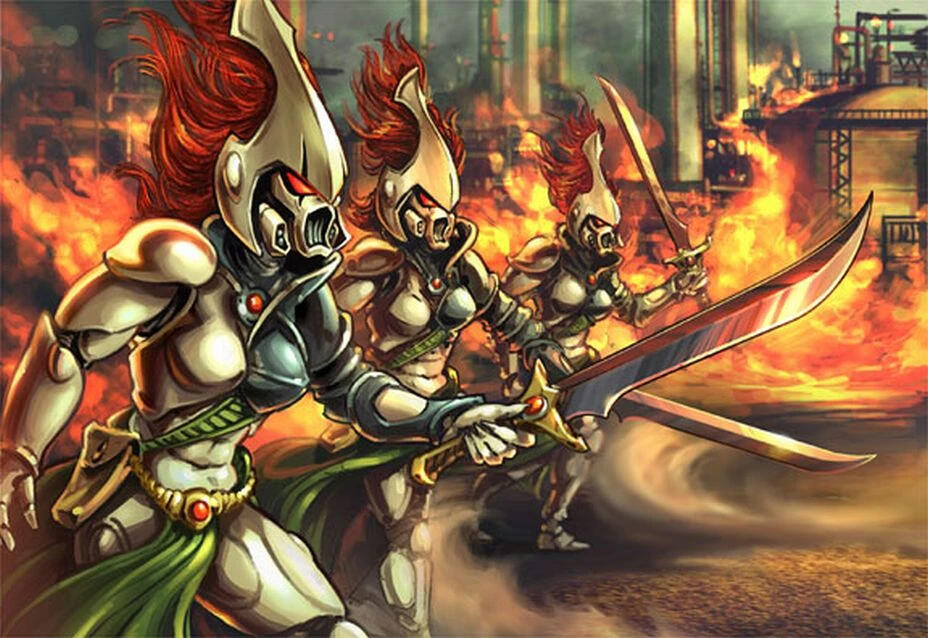
The Polianitsa are the only gender exclusive facet of the Aelantar military, made up of female warriors and were the earliest military unit stood up by Aelantar in its infancy. Their founders were primarily the women and female elves that followed Tsar Vali to the void who finally were politically emancipated, and used that opportunity to carve out an enclave for themselves by helping set up the Aelantaran Armed Forces, and being some of the first members in it. Even to the modern day, former members of the Polianitsa still make up around half of the upper tiers of military leadership due to this initial setup. They were also the ones who devised most of the infantry tactics and doctrine, including the standard loadout later carried by the Streltsi. A rifle, a sword, and armor. The Polianitsa though have a more heavy lean on CQB than the Streltsi, sporting a shorter firearm alongside a blade that they use as their primary weapon. The Polianitsa as the first military unit also were granted an Imperial boon, in that all who manage to qualify and join their ranks immediately gain the noble title of Bogatyr (Knight). This is normally a privilege one would earn in the officer ranks, but all Polianitsa, enlisted and officers, get inducted into the Imperial Aristocracy.
Ritsari
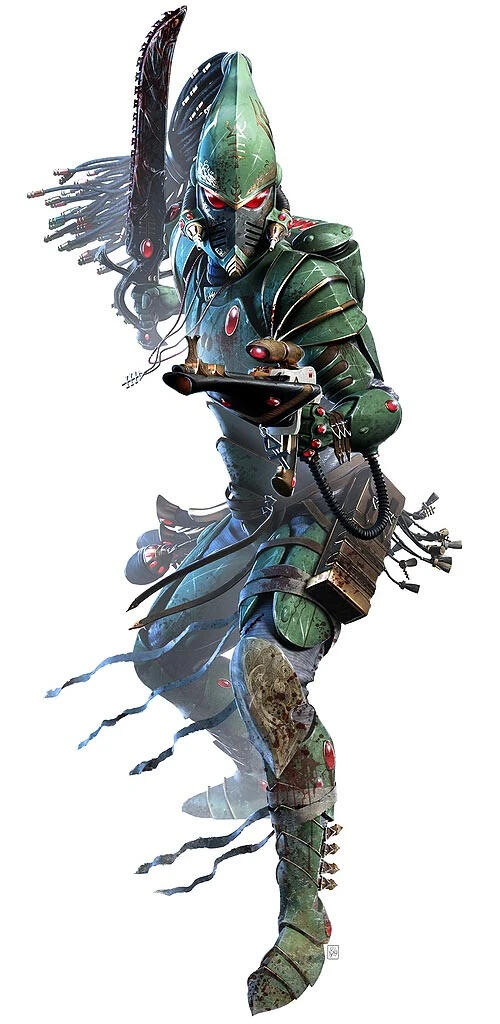
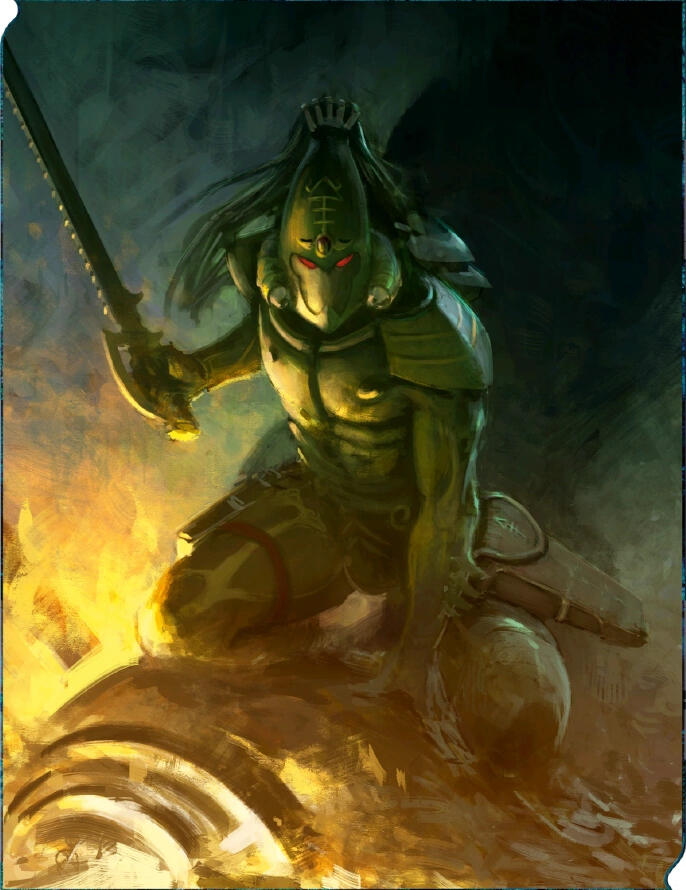
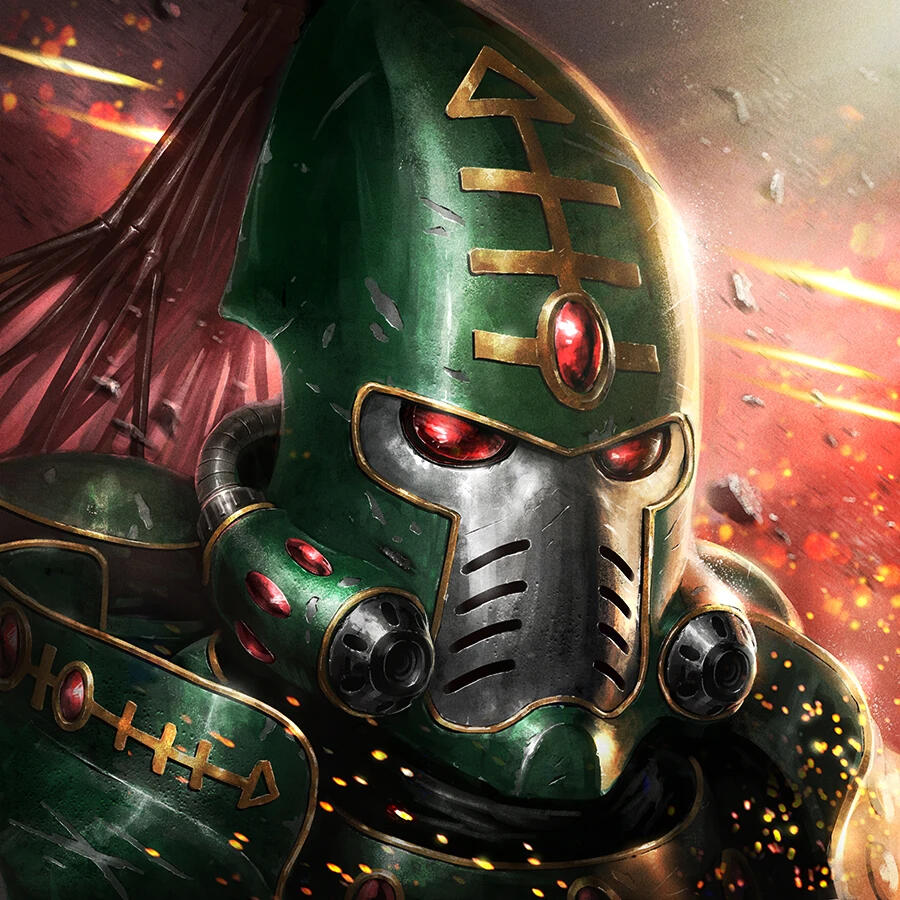
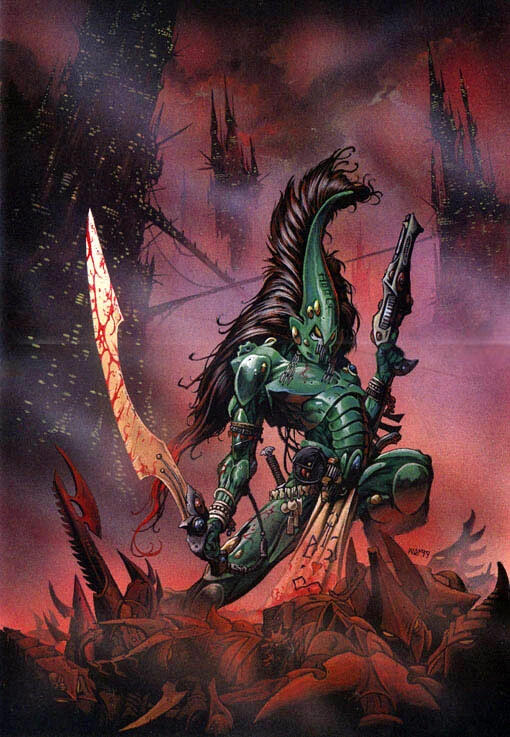
The Ritsari are the all gender inclusive version of the Polianitsa, and specialize even further into close range combat. Their weaponry is designed to allow them to tear through vehicles and mechs outright even as just infantry. They also boast a lot of stealth technology, making them a favorite choice when it comes to assassination of highly valuable targets. The most experienced Ritsari are most often inducted into a Spetsnaz unit, having gained the experience and feats necessary to operate in even more difficult scenarios that Ritsari are usually thrown at. Each blade of the chain sword they carry has some runic damage dealing component on it, making any contact that lasts long enough for all teeth to bite into the target fatal for the enemy.
Ved'mak
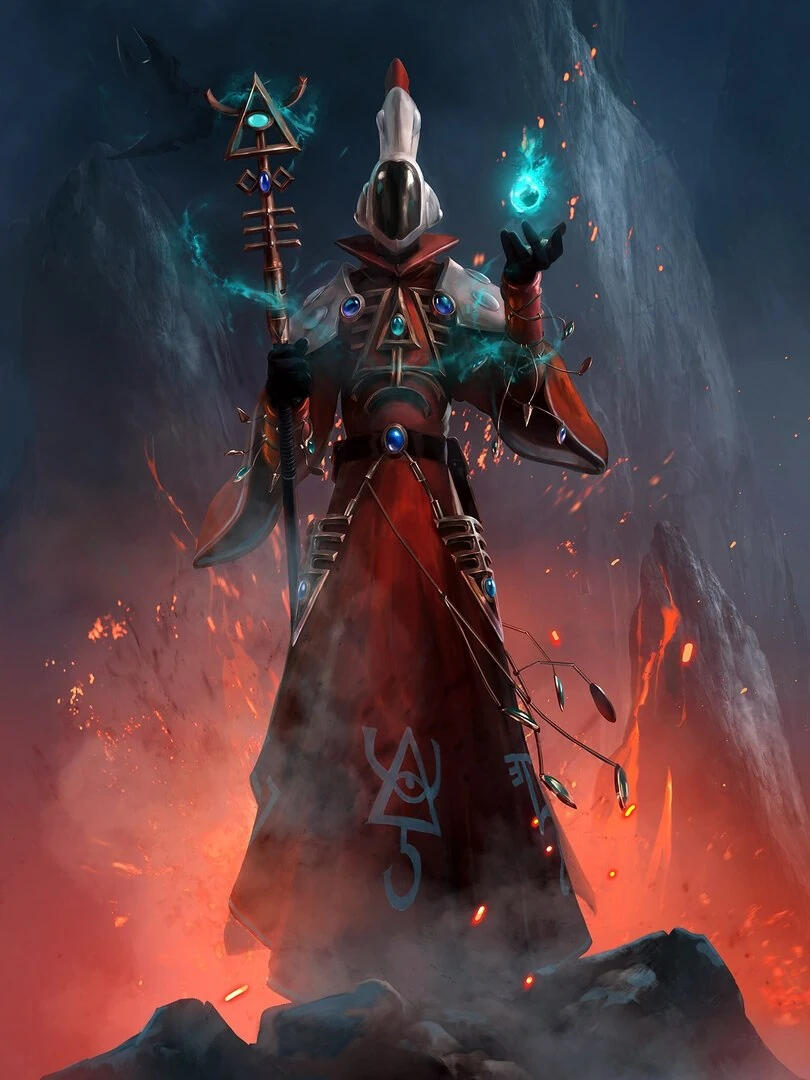
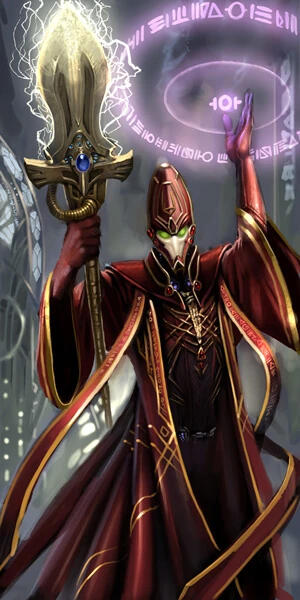
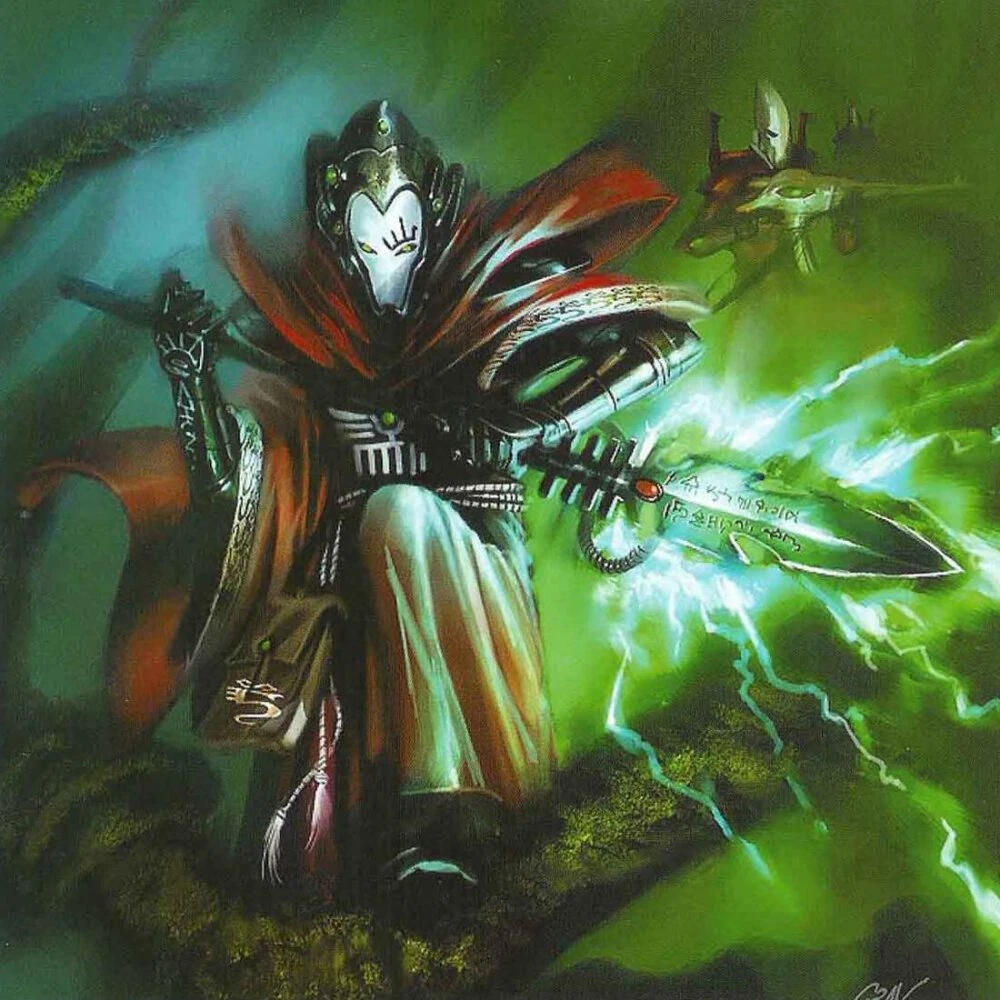
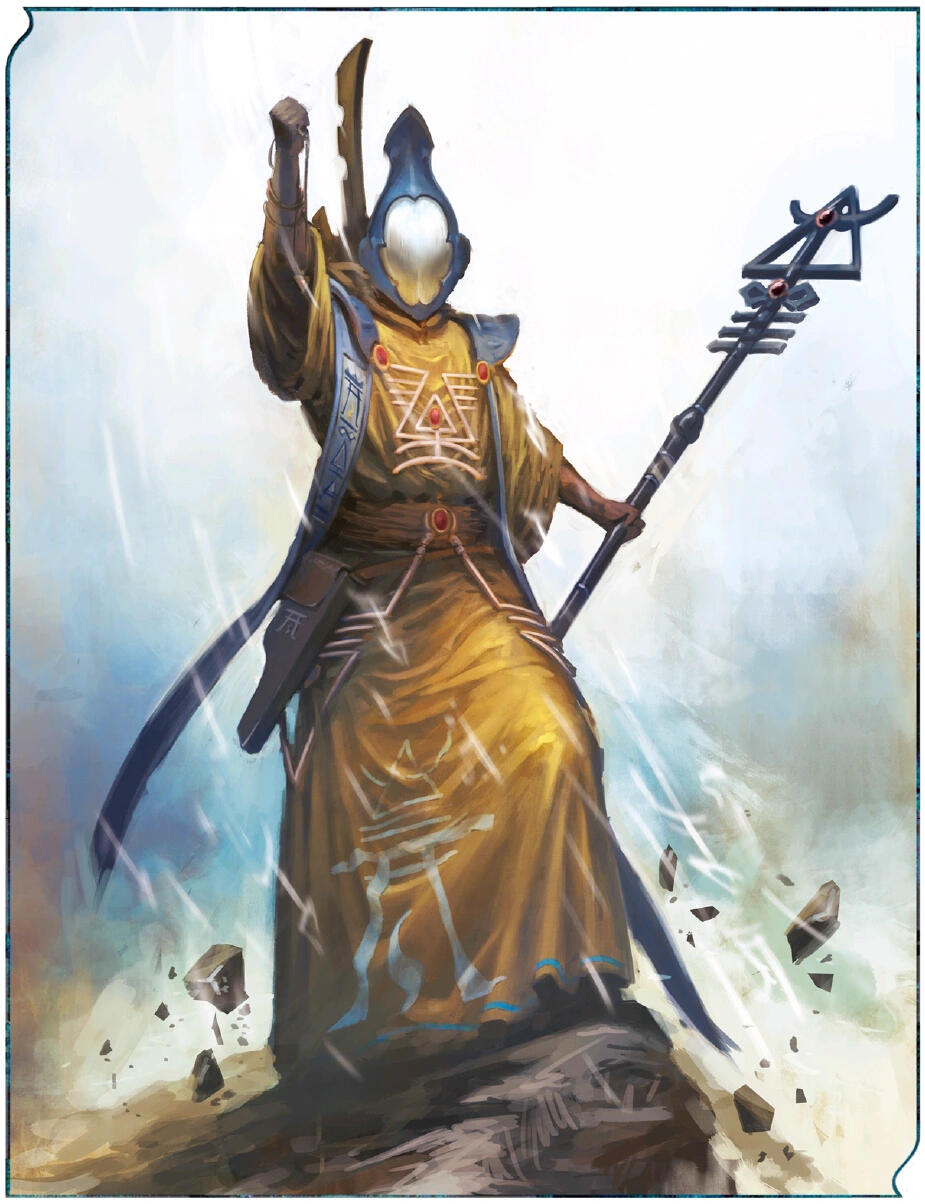
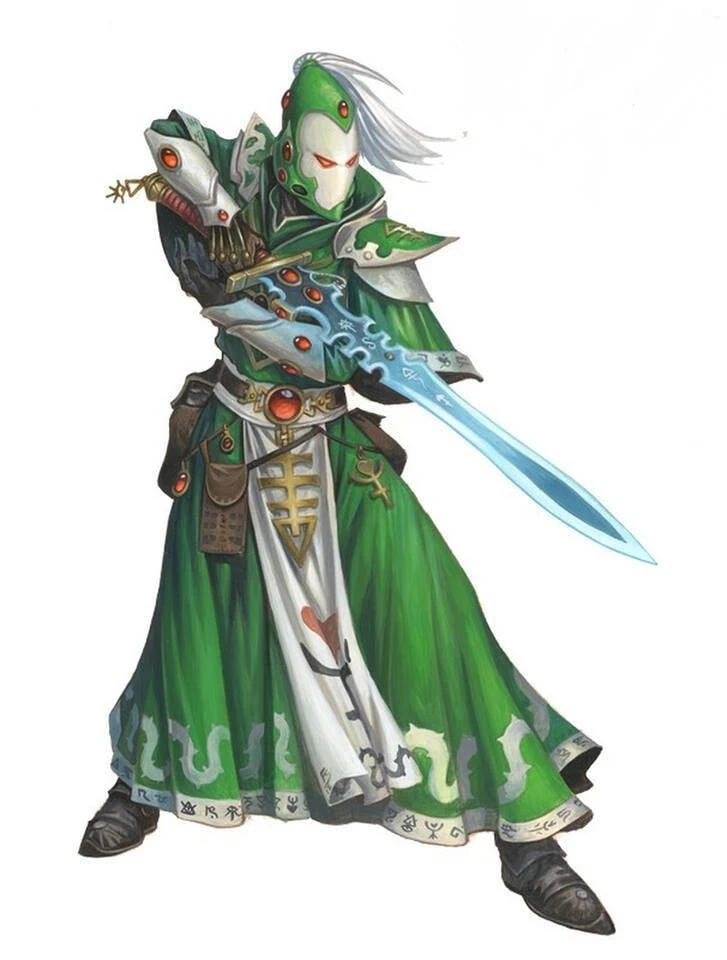
The Ved'mak were formed out of the remnants of the Министерство Оккультных и Необъяснимых Дел (Ministerstvo Okkul'tnykh i Neobyasnimykh Del), Ministry of Occult and Unexplained Affairs of the Russian Empire. Vali was head of the Ministry for the entire history of its existence, and all of its members followed him when he decided to self exile from the Russian State. The militant arm of the Ministry, otherwise known as the Отдельный Корпус Потаенной Стражи (Otdel'nyy Korpus Potayennoy Strazhi), Separate Corps of the Hidden Guard, proceeded to establish the Ved'mak, the Aelantaran battle mages who in the doctrine of the newly minted state would be spread out amongst the military. Every squad would have an attached Ved'mak who would handle mystical manners, and were often in a position of advisors to the leadership of whatever military unit they were attached to. Becoming a Ved'mak took education and capability in the mystic arts, with academies and schools for such being run by the Volkhv. Ved'mak ended up becoming the most hereditary of all military unit types, because as it turns out, magical talent and capability is something that is passed down by blood, and Ved'mak parents would often start teaching their children early on. Tsar Vali saw the potential problems this could bring with any new blood injected into the career, so forbade any sort of pulling of favoritism levers for those who were born to Ved'mak parents, all that matters to the sovereign is one's own talents, whether self made or cultivated over generations. Ved'mak are often equipped with rune enhanced cloaks, with helmets designed to block out non friendly mystical and psychic influence while at the same time concealing the wearer's magical powers until they were used. Individuals could be equipped with any weapon they choose, swords, staffs, polearms, nothing is set in stone for them to use. The Ved'mak would also end up becoming battle priests in a way thanks to the influence of higher tier magic users, conferring with the Gods and handing spiritual advice to normal troops.
Volkhv
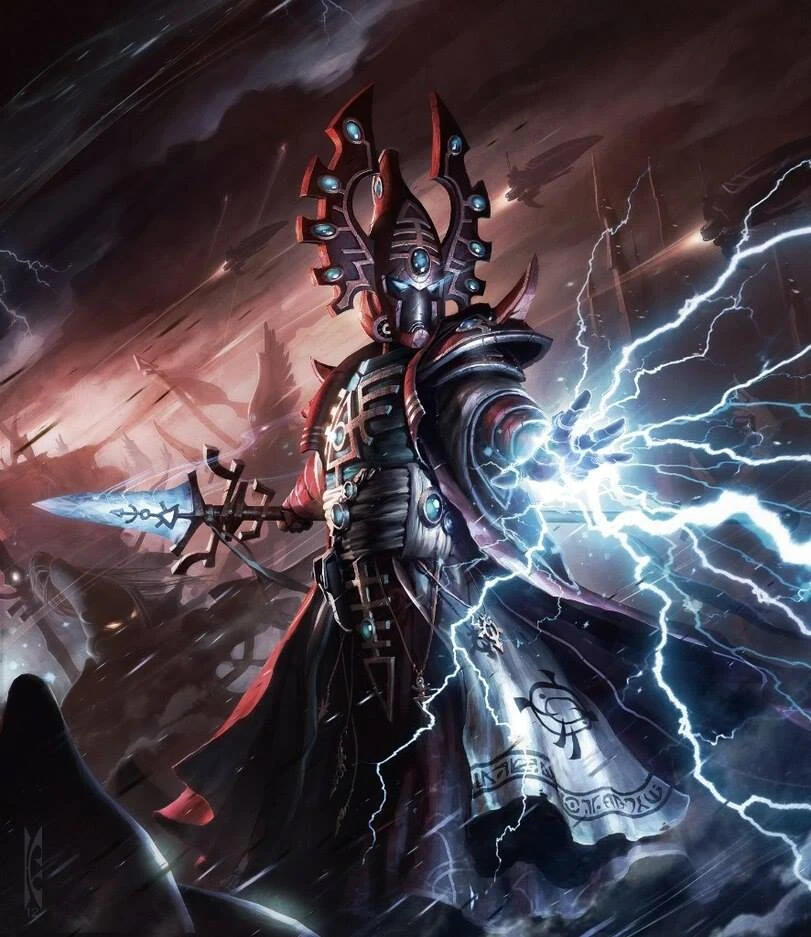
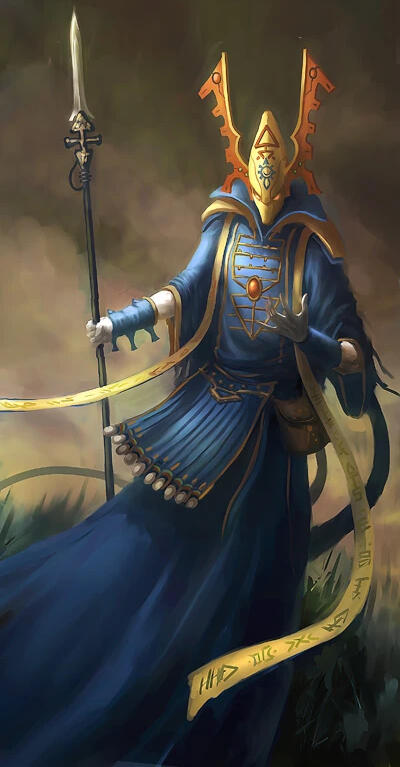
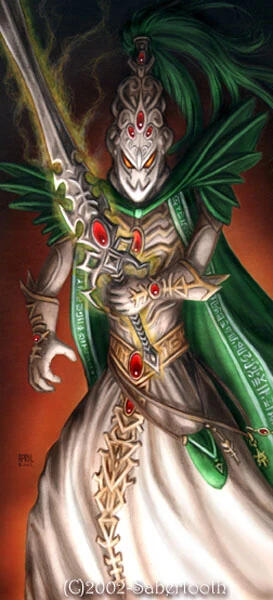
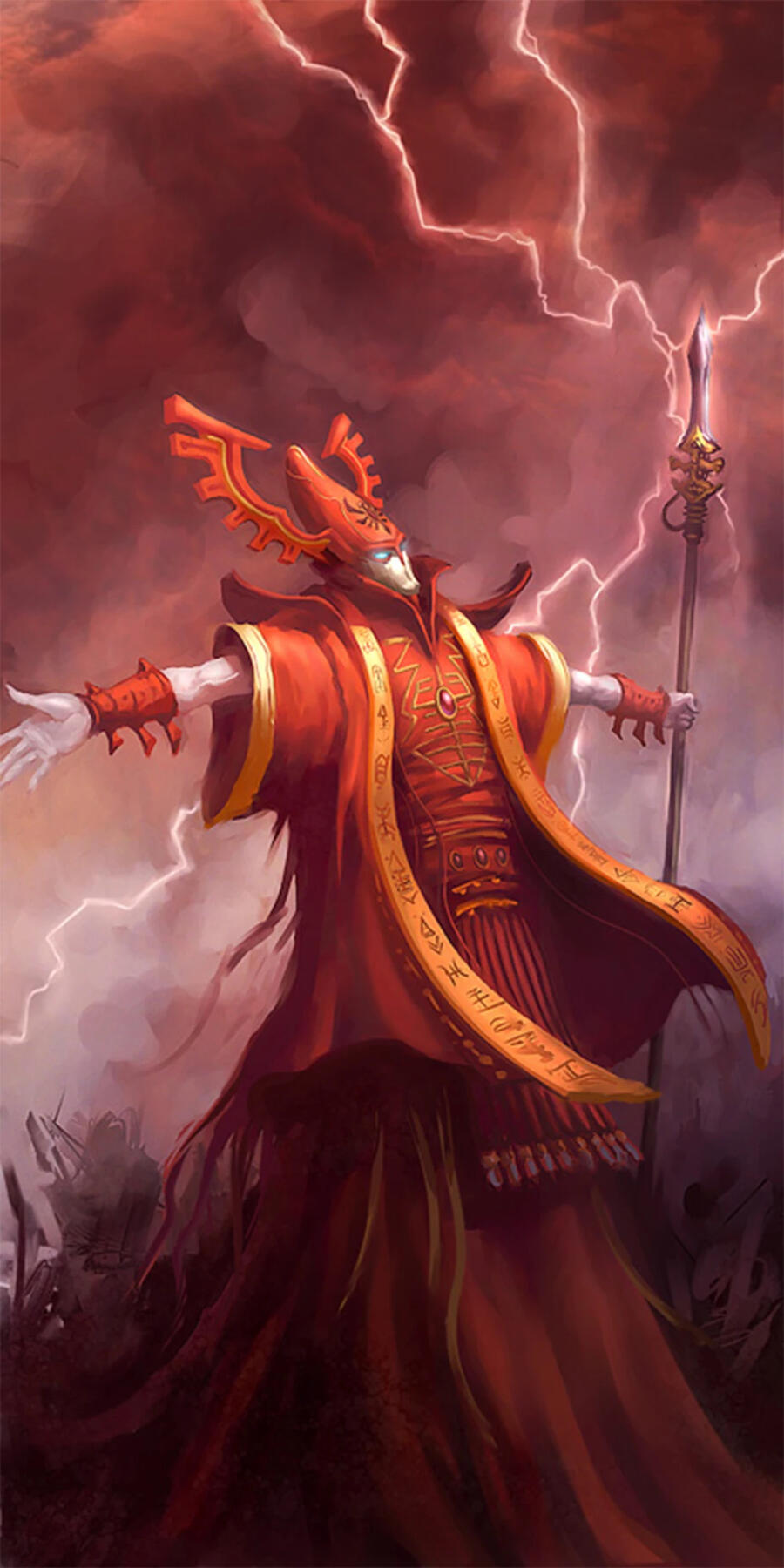
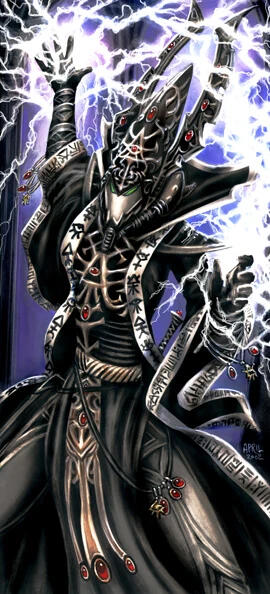
The Volkhv are the highest tiers of the Ved'mak, and are in technicality led by the Tsar himself. They are designated as Spetsnaz, and are known as Army Killers, with a single Volkhv by themselves able to wipe entire continents clean of life or un-life at their lowest levels of power. Its first members are all personal students of Vali who decided to join the Aelantaran military, bringing with them their expertise and power, using it primarily to aid the Ved'mak that was setting itself up at the same time. They constructed a way that the Ved'mak would eventually pathway to Volkhv, and became their superiors in the career field and in subordination. The Volkhv due to the sheer power they hold, and the time and dedication needed to obtain the title, were granted the Imperial Boon of a noble title of Count/Countess for attaining the rank. The expectation was placed upon them to create future generations of powerful magic users by using the privileges that came with a noble title. The Volkhv also ended up becoming the Battle Priest class within the military, with that mindset slowly dripping down the Ved'mak thanks to the influence the Volkhv have. The Volkhv are equipped with the most straightforwardly ornate gear in possession of the Aelantar military, all forged personally by Tsar Vali or one of his trusted forgers, making the armor and weaponry custom to each of the high tier spell casters, and pieces of kit so severely advanced that a tattered piece of their cloak somehow finding its way to a planet could accelerate a species' scientific and magical knowledge by the timescale of millennia.
Bronirovik
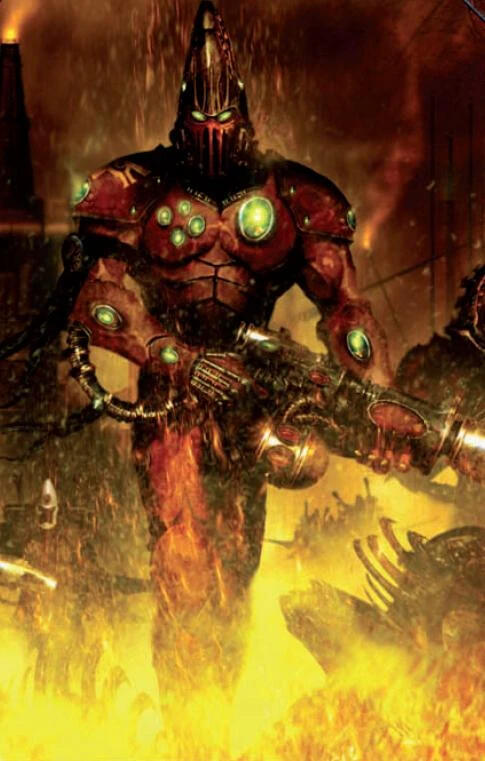
The Brovinik are the standard heavy troopers of the empire, a lateral step from the Streltsi when it comes to the forces of the military. The Brovinik are equipped with more protective armor focused less on maneuverability, as well as a heavier tier of weaponry that make the already dangerous arms of the Streltsi look like pea shooters. If the base arm of the Streltsi is unable to deal with enemy fortifications and armor, then a unit of the Brovinik are to be deployed and use their specialty to bring low whatever is proving to be a obstacle to the armed forces. The Troops are also oft deployed to hold defensive positions as well, being well versed in defending territory being encroached upon by hostile forces.
Valkiriy
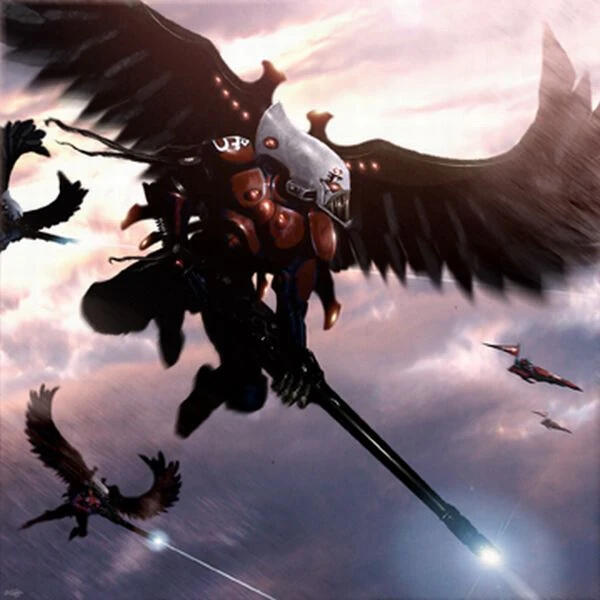
The Valkiriy are the airborne troops of the empire, often made up of individuals in the empire who already had the natural ability of flight conferred to them, and the brave few who equipped fake wings and took to the sky with those who had natural advantages. Valkiriy are made up by former Valkyries of the Norse pantheon, most of them now in leadership positions within its ranks, and the various flying races of Norse and Slavic mythology with others later joining from other worlds. The troops are well equipped, and were thought of as the stop gap between normal infantry and dedicated aircraft. They are deployed most often as shock troopers, swooping in, firing their weapons with pinpoint accuracy while constantly on the move. They hold most of the marksmen within the Imperial military.
Skitayushchiyesya
The Skitayushchiyesya, shortened as the SkitSya, are units that have a dimension rift devise embedded into their armor, using it as a transportation method, and using it to power their weapons. They are oft the used as the fast reaction forces that are mobilized first and sent to deal with a situation due to their speed being the highest among all military units outside of the Volkhv. The dimensionally powered weaponry also works differently from normal arms, when they hit a target, it destabilizes the existence of it, causing the ether/matter that makes it up to fall apart.
Zhnetsy
The Zhnetsy are the premier anti-soul units outside of the magic orientated infantry in the Imperial Military Their weapons are purpose built to bypass traditional defenses, and damage the target's soul until it is completely killed off. Zhnetsy are armored in a way that counteracts supernatural phenomena, and are a multi purpose tool. They are the primary ghost hunters within the military, and represent a very small subsection of Aelantaran might, while also doubling as potential anti armor units, able to go right through whatever protections one might have unless they are meant to protect the soul itself.
Likho
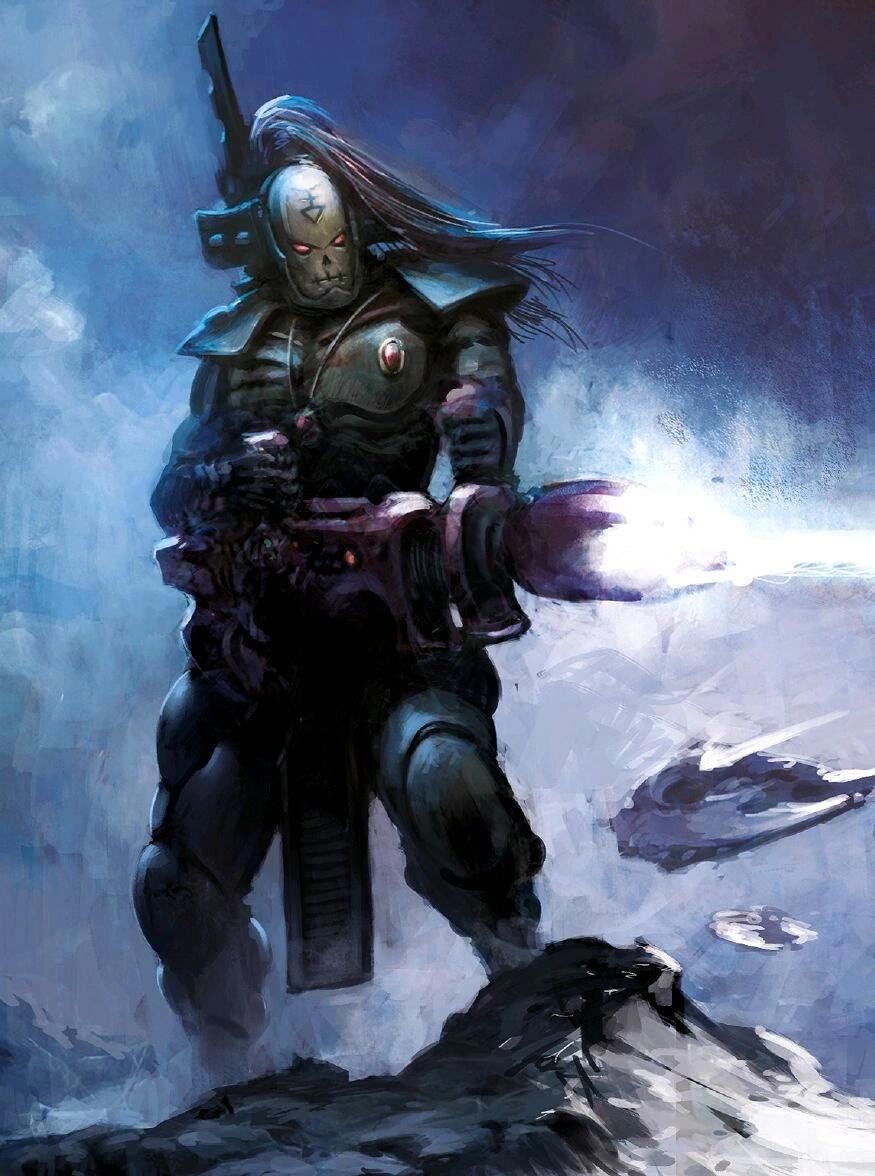


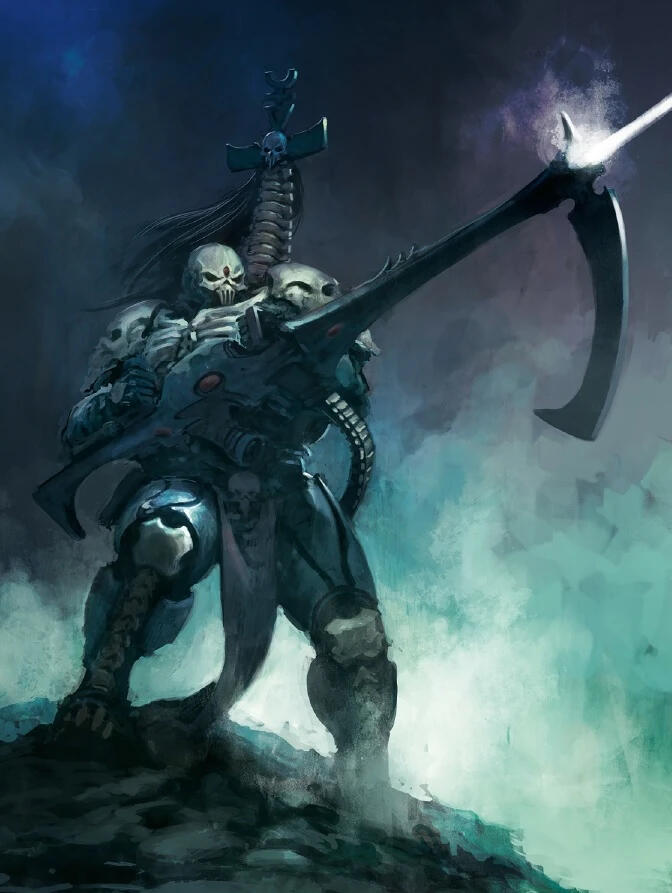
The Likho are the most directly dangerous units of the Aelantaran military. Their weaponry is highly powered, their armor was forged from the blood of the first enemies the empire ever fought, and all members of this unit type are deeply religious to one of the various gods who deal with death or the underworld in the syncretic faith: Odin, Freyja, Hel, or Veles. They dedicate every kill to one , multiple, or all of the 4, sending the enemy souls directly to them to be used either as undead warriors, or to be kept in the afterlife. Due to this spiritual devotion, even if their weapons aren't meant to induce soul damage, they can cleave through obstacles in the way of them sending someone to their gods far easier than standard weaponry or even that of the Zhnetsy.
Imperatorskaya Truppa
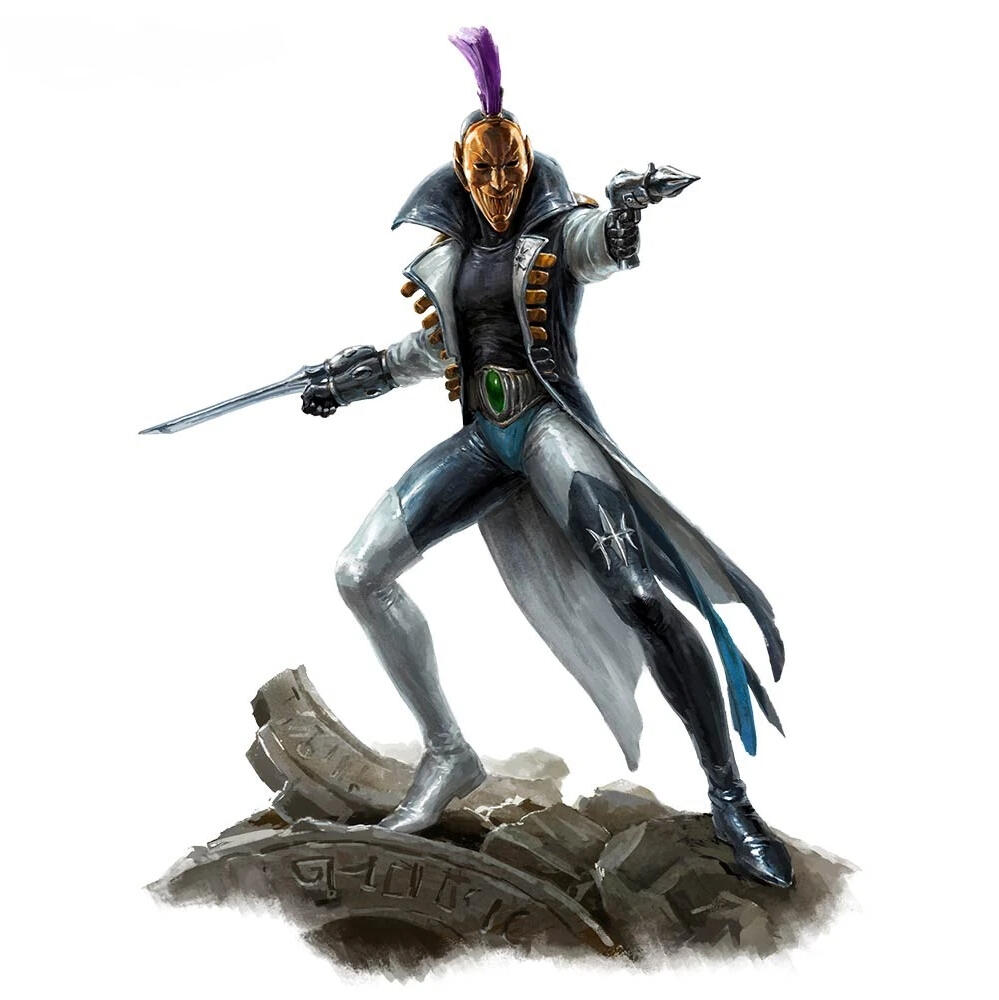
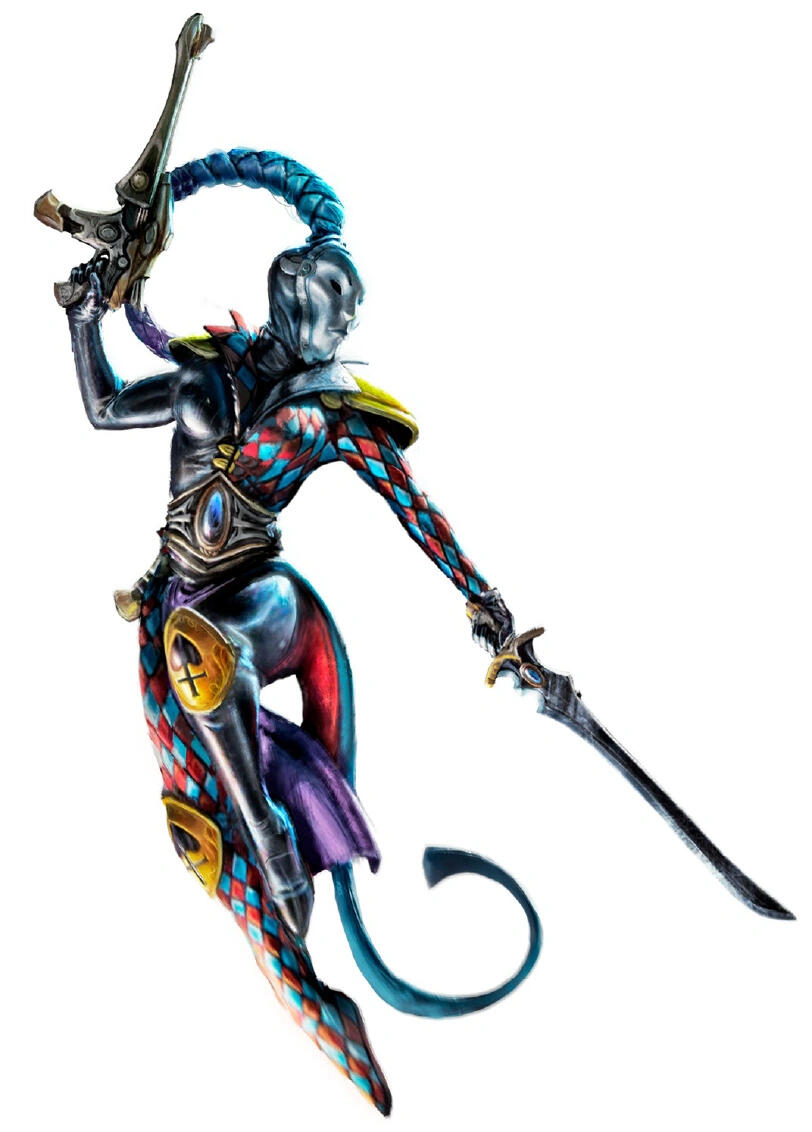
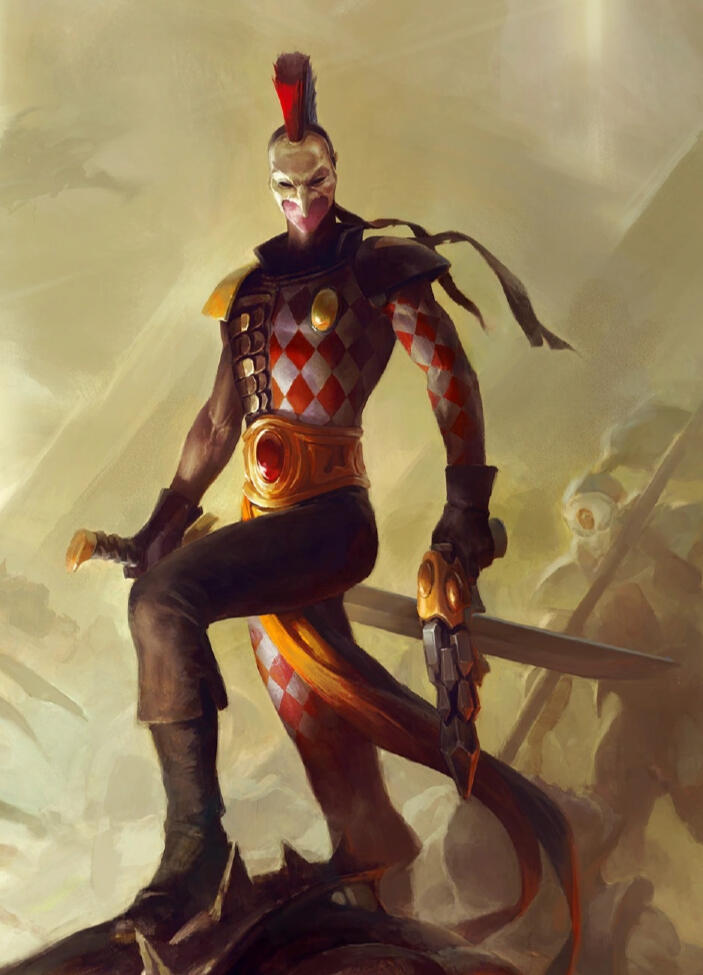
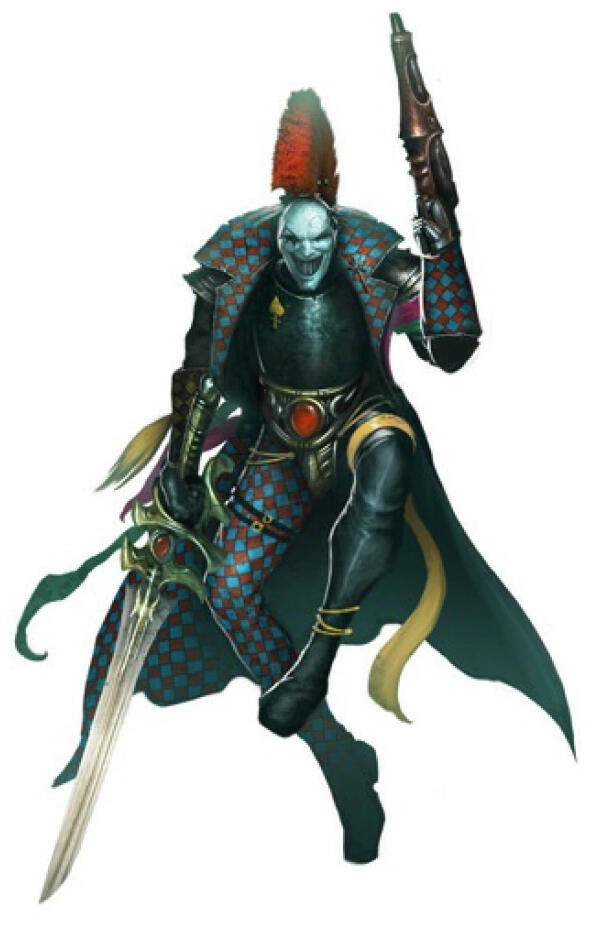
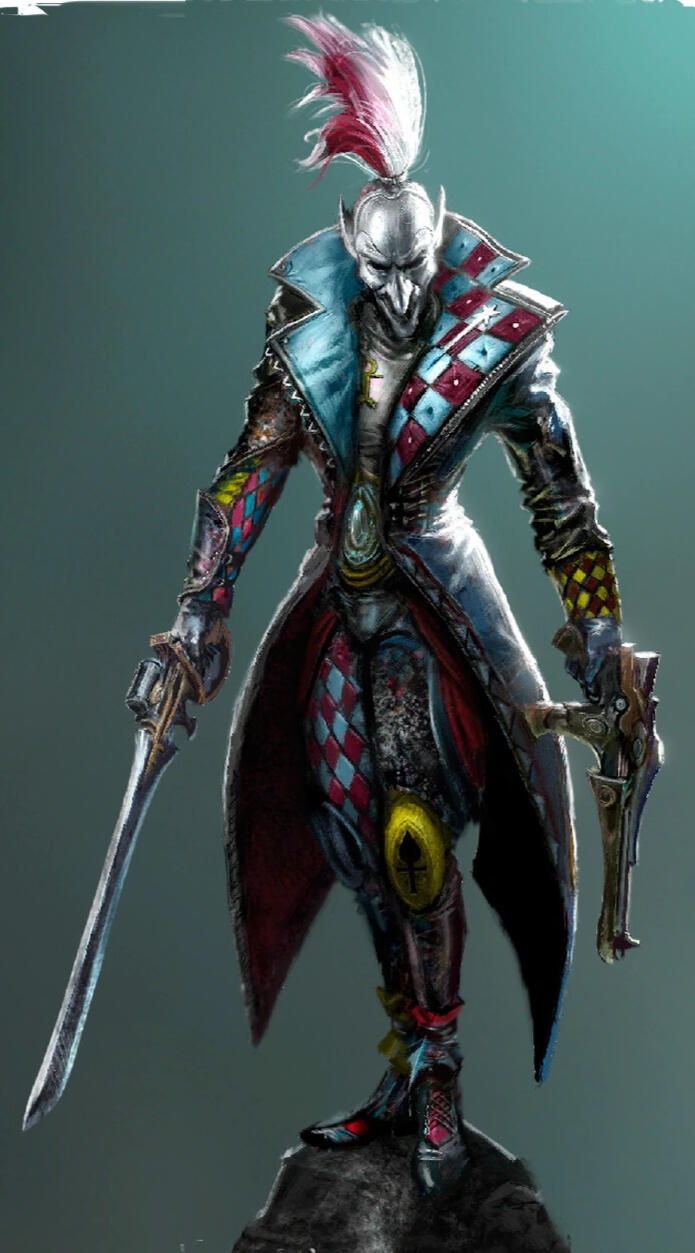
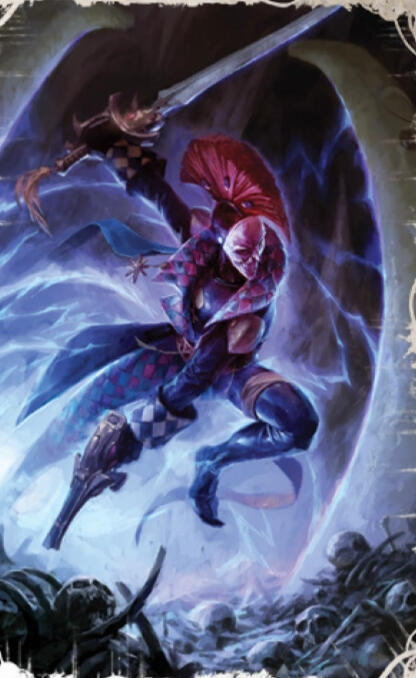
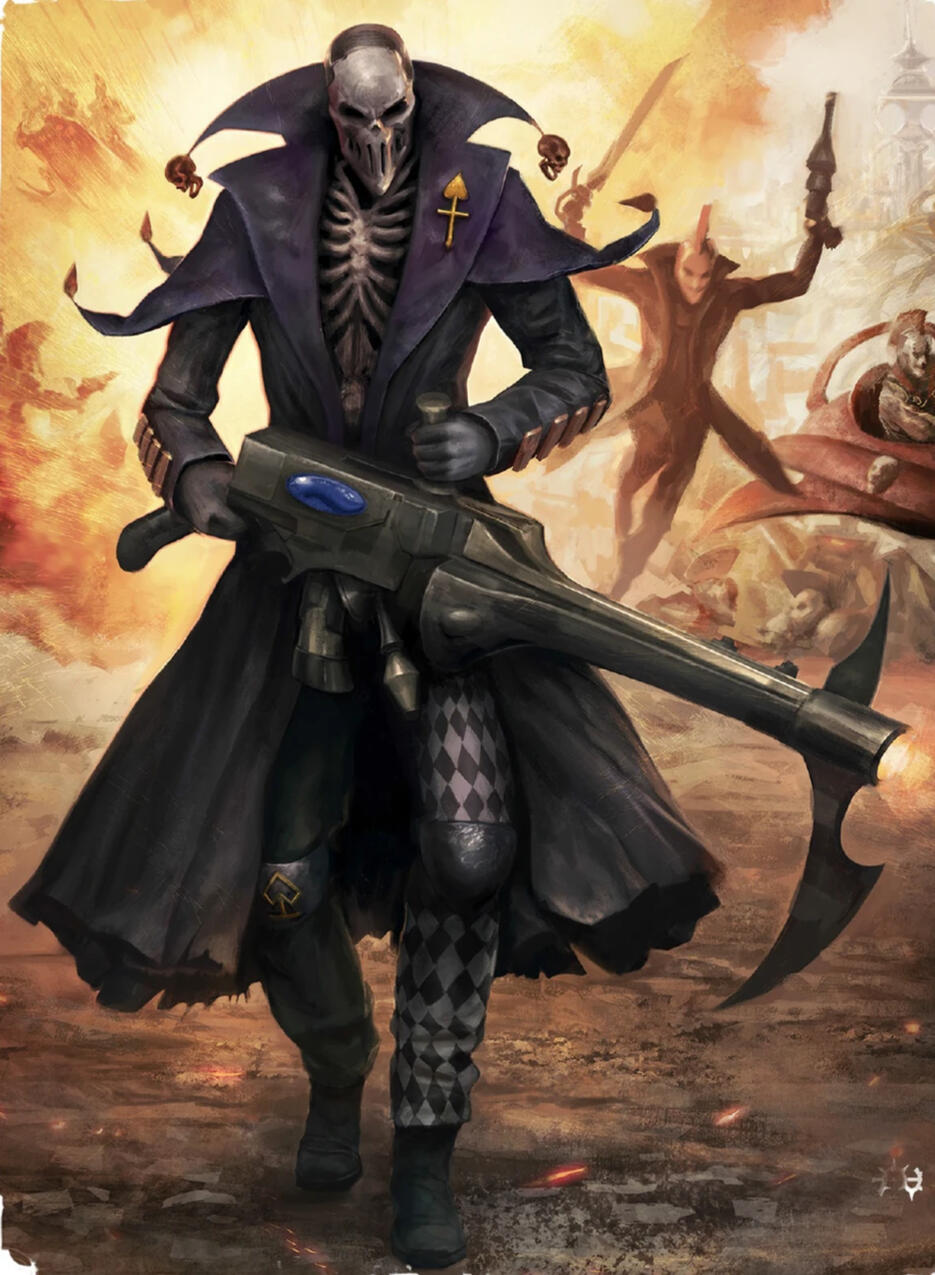
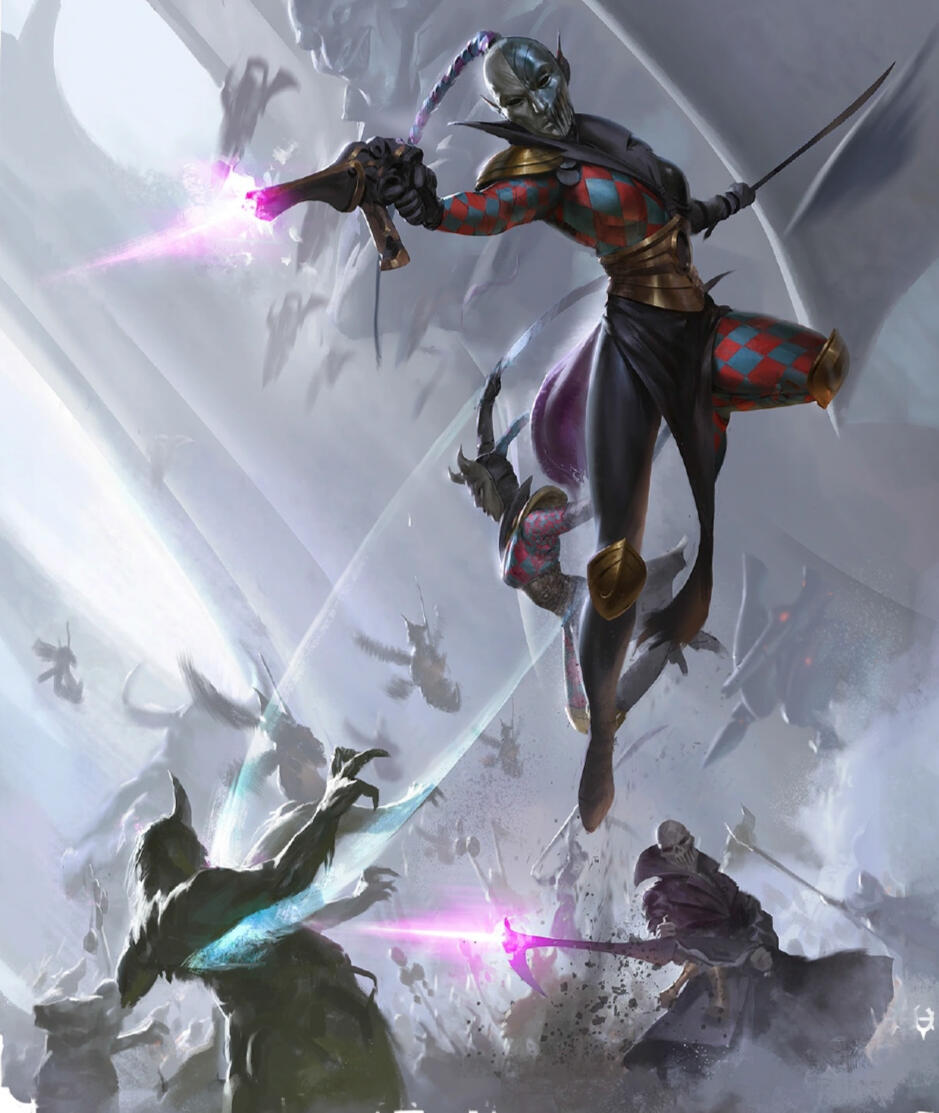
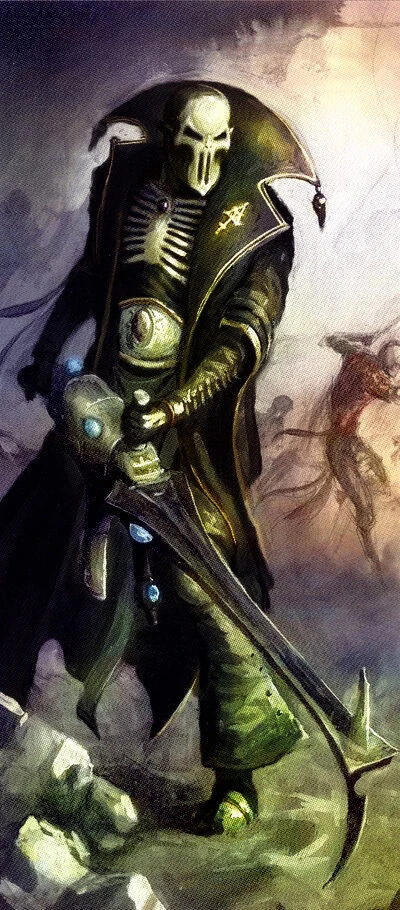
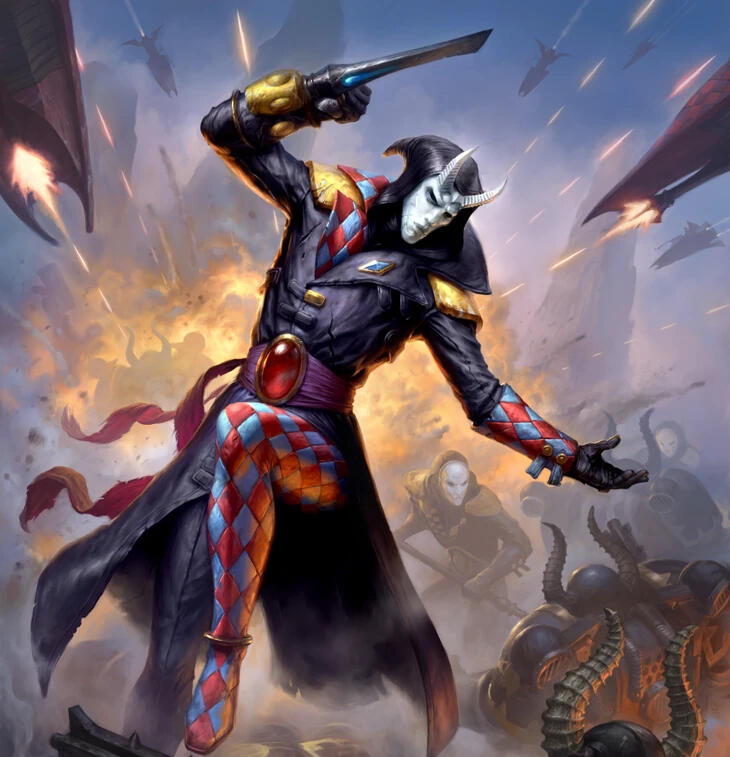
The Imperial Troupe is a full Spetsnaz unit within the Aelantaran military, every member of it being at the peak of their strength in their respective fields aside from magic. They are the best of the best, and their very appearance inspires fear in those who know what their appearance signifies, or just, from the fact they just look creepy even at their base. Due to how the Imperial Troupe is structured, they have their own equivalent of roles that are filled in by different members of the unit.First and foremost is the Skomorokhi, the Troupe equivalent of the Streltsi. They are all around generalists who have mastered the art, being able to weave through battlefields like blenders of death, and holding knowledge of combat and speed related magics that further enhance their lethality.Petrushki, the troupe heavy trooper and equivalent to the Bronirovik. They are equipped with similar weaponry as the higher tier Likho, though in their case instead of being powered by worship towards gods of death, they direct their fervency to Loki, drawing on his nature to induce the most brutal and comical effects possible on targets hit by their weaponry.Duraki, the troop CQC specialist and equivalent to the Ritsari. They are monsters in close combat, blending together so many different martial arts and sword styles into unique dances of death. Their bodies are honed on an instinctual level to the point of supernatural, being able to read opponents as one might read a picture book, easily and without much interpretation needed. They are also for that reason the ones chosen for infiltration or behind enemy line missions, being the ones who read boy language to a degree its uncanny.Leshy, the equivalent to Ved'mak, their magic mainly specializes in mind and perception manipulation as well as dimensional magic. Their specializations are very steep and well crafted, allowing them to supplant reality outright for the oldest and most practiced of the Leshy, making them extraordinarily dangerous to encounter on the battlefield.
Einherjar
The Einherjar are the robotic basic troops of the Aelantaran military, controlled by either a purpose made AI, or the soul of a deceased warrior whose body cannot be recovered but who wishes to fight on. The Einherjar primarily fill in the roles of Streltsi and Ritsari, being ranged and close range standard infantry who are more able to survive the dangers of the battlefield. They are powered by a mix of psychic energy and magic, their bodies enhanced enough that they could lift up a modern MBT and play catch with the thing like an oversized frisbee. The Einherjar are the ones most often used in defensive actions, ensuring that warriors who can keep going without both arms are the ones ensuring the safety of the object or location in question.
Einherjar-Huscarl
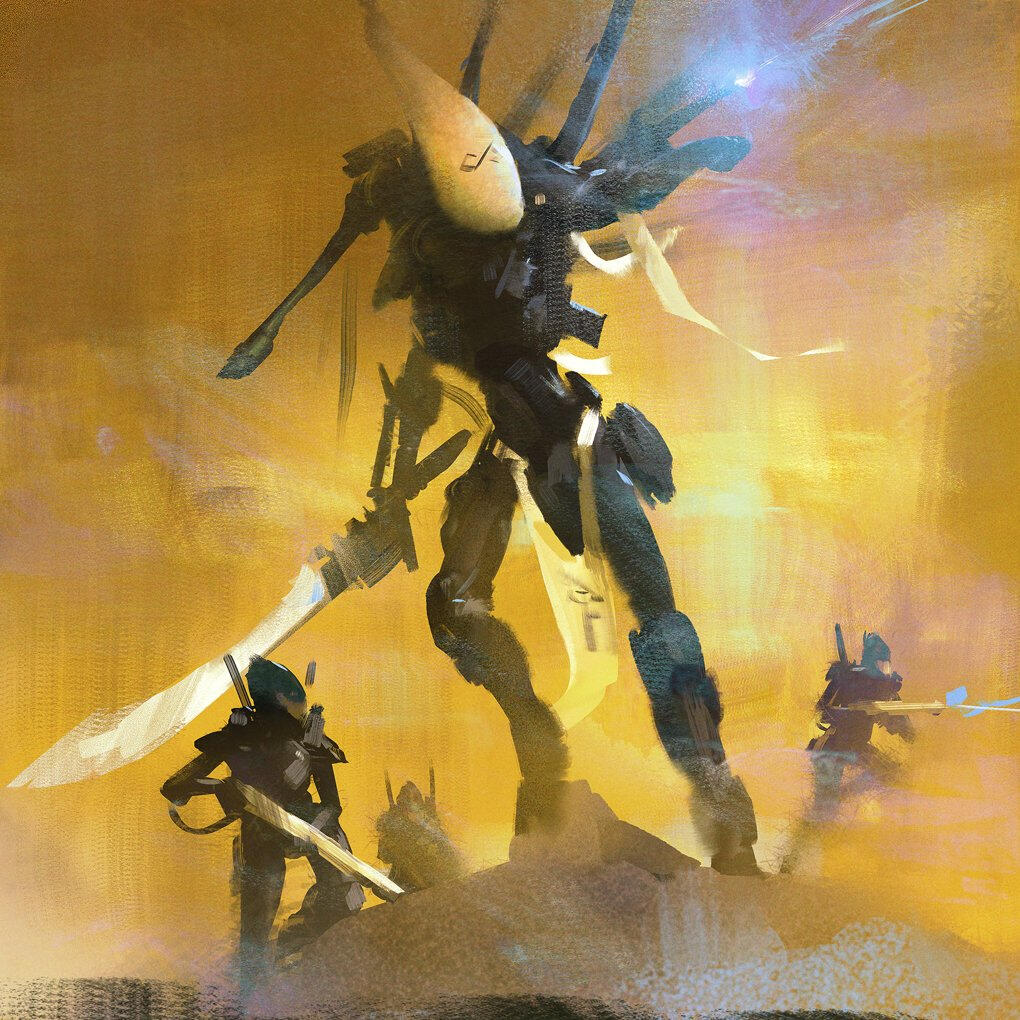
The Huscarl are 6 meter tall renditions of the Einherjar, their size lending them greater power physically, and more powerful weaponry in general. Their primary purpose is in sieging enemy locations and urban clearing, their size being big enough to be a threat in that environment while also not being too big to inhibit maneuverability. They are strong enough to uproot entire structures should they be left to their devices, and in turn, are also used for quick fortification/base building due to their massive strength. The Huscarl are often accompanying other infantry in order to support them.
Einherjar-Jötnar
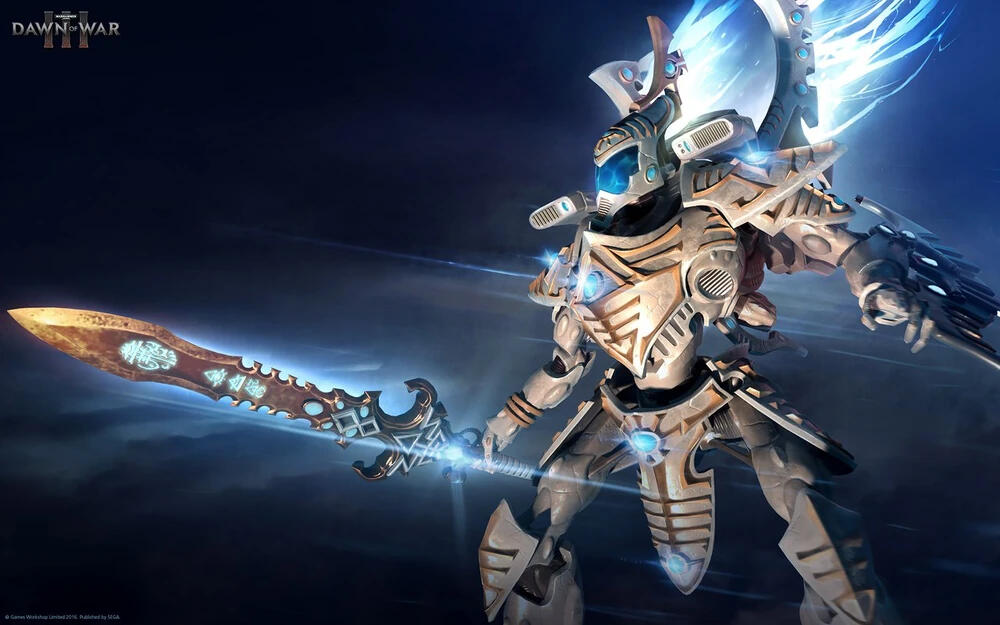
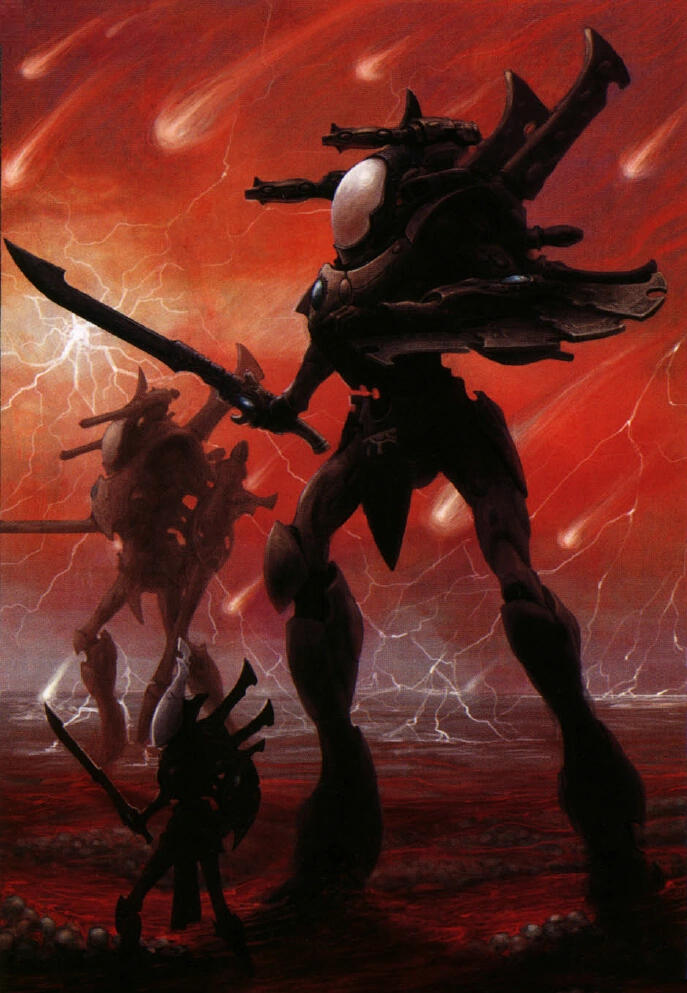
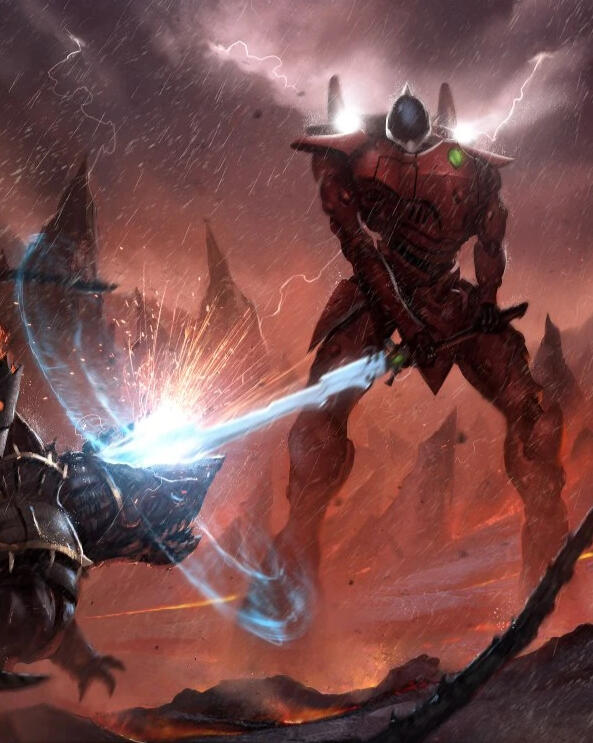
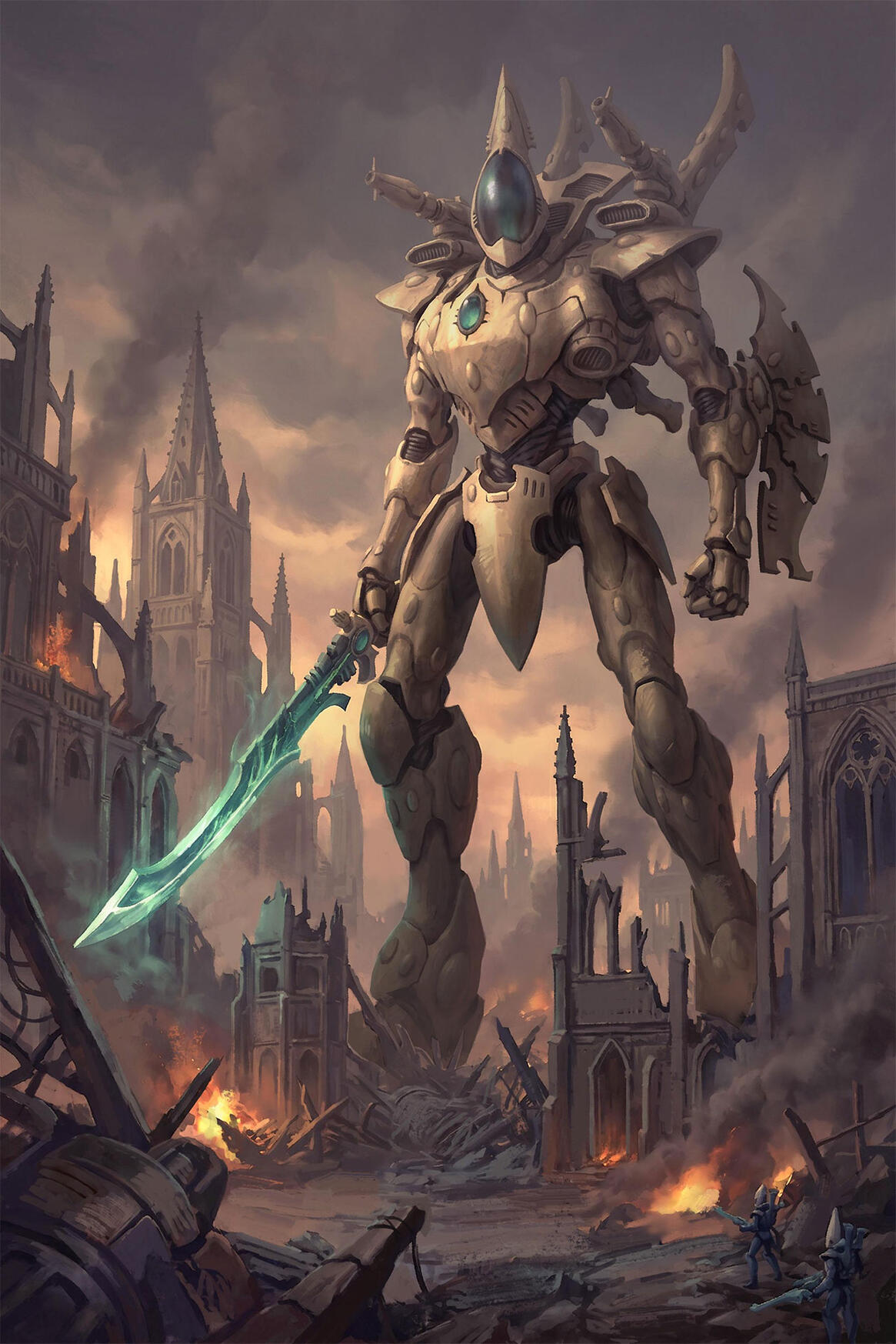
The Jötnar is a 20m tall mech meant to destroy enemy structures, vehicles, and for specially modified versions, fight in space combat. It is only allowed to have a soul core as its controller, or a living operator, technically classifying this as a vehicle depending on the case. The thing is monstrous, with the older and more powerful Jötnar being capable of taking over a whole planet by themselves due to their sheer power. Belaying its size, they are also extremely maneuverable, performing flips, landing in ways not even normal humans can manage, running at speeds that make the earth tremble repeatedly like an earthquake has come. They are a great force to be reckoned with, and the deployment of one usually means the swift end to a ground campaign as it breaks the enemy's back over its knee.
Imperial Vehicles
Aelantaran vehicle categories are split between ground and air vehicles. Most land vehicles are hover craft, with some walker vehicles interspersed. They are also split between government bureau manufactured, and private company crafted vehicles. The ones made by the government are collectively created by the Nyakova Design Bureau, otherwise known as OKB-Nyakova. This bureau was established by Doctor Natasha Nyakova after Tsar Vali was forced to focus more on the design and construction of starships, and she found that just copying Russian designs with yet another T-72 derivative and BTRs that has been done up to that point is not optimal. This is how they ended up with the bureau for non starship vehicles. The private designs are consolidated across two individuals/workshops, Magnus and Ivarion. Ivarion is the one who focuses on ground up specialized designs made by Master Ivarion. Master Magnus meanwhile, mainly adds special variants of OKB-Nyakova's work.Across all the naval vessels, there is a total of 92,670,000 air/space craft that Aelantar uses.
Ground Vehicles
Korsak-12 Light Reconnaissance Speeder (OKB-Nyakova and Magnus Craftshop)
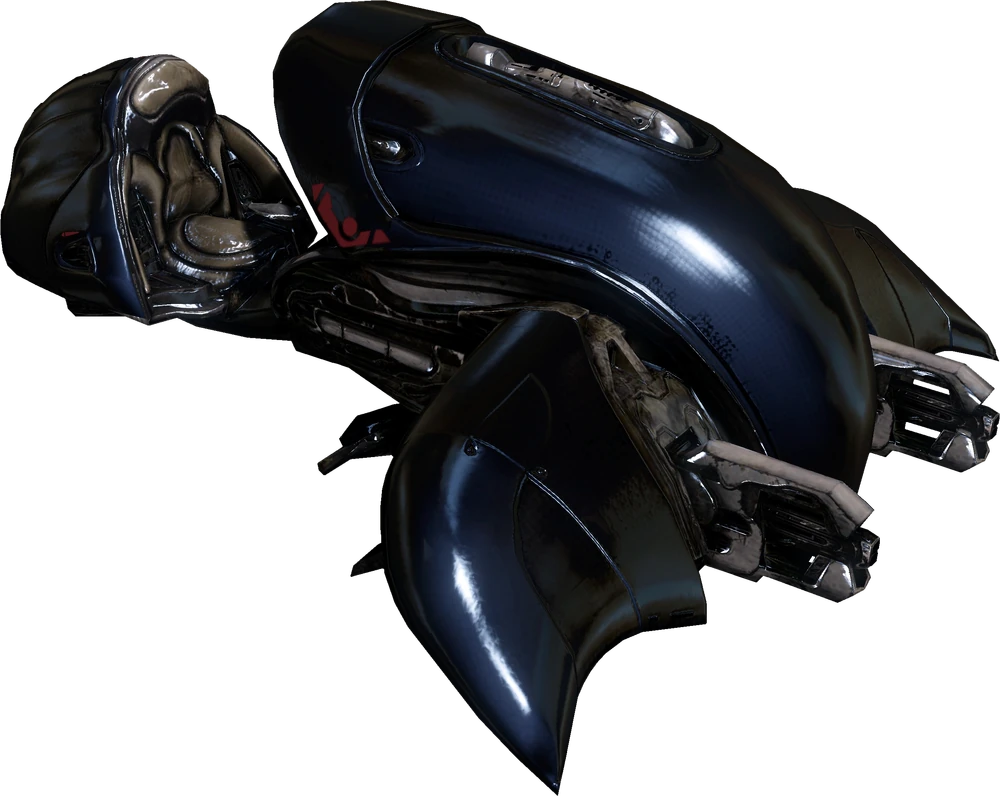
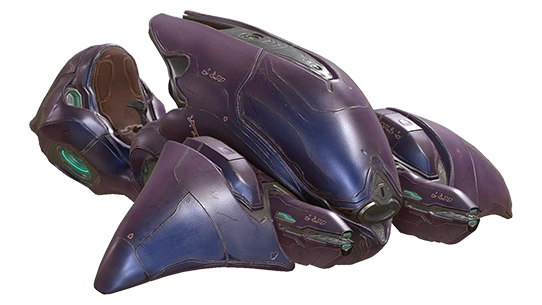
Designed by Dr. Nyakova to officially phase out legacy light reconnaissance buggies, the Sokol-12 is a utilitarian repulsor platform built around her signature high-efficiency power conduit system. Its core engine feeds directly into a pair of fixed, forward-facing plasma repeaters that chew through light infantry formations and soft-skinned transport vehicles. Defense is prioritized strictly around engine survival and cost reduction, featuring heavy composite plating over the core reactor while leaving the pilot exposed on the sides. Operated by a single driver, the Sokol-12 serves as the primary mass-produced light cavalry asset of the Imperial Army, deployed to perform battlefield reconnaissance, harrying flanks, and sweeping open terrain ahead of heavy armored formations.The other version of it was made by Sir Magnus Frisson, head of Magnus Craftshop, which integrated stronger psychic shields and exploding bolts that can chew through heavier armor, mainly focused on some mild improvement points instead of utterly overhauling the vehicle.
Hræsvelgr High-Altitude Speeder (Ivarion Workshop)
Designed by Master Ivarion, the Hræsvelgr, and named for the mythic giant who sits at the edge of the heavens in the form of an eagle, creating the winds with its wings, is a high-performance jetbike built specifically for extreme-altitude flight and rapid atmospheric dives. Ivarion combined lightweight, hyper-durable metal alloys with aerodynamic channeling, giving the bike distinctive stabilizers that flex dynamically based on air pressure. For weaponry, it carries an underslung vector-thrust plasma lance that can deliver devastating precision strikes against enemy vehicles during high-speed flybys. It lacks heavy armor plating entirely, relying instead on a localized directional repulsor field to deflect incoming small-arms fire and anti-air shrapnel away from the cockpit and critical thruster housing. Controlled by a single pilot, the Hræsvelgr excels in long-range aerial patrols, high-altitude interception, and surgical hit-and-run strikes.
Varan-8 Light Assault Mortar (OKB-Nyakova)
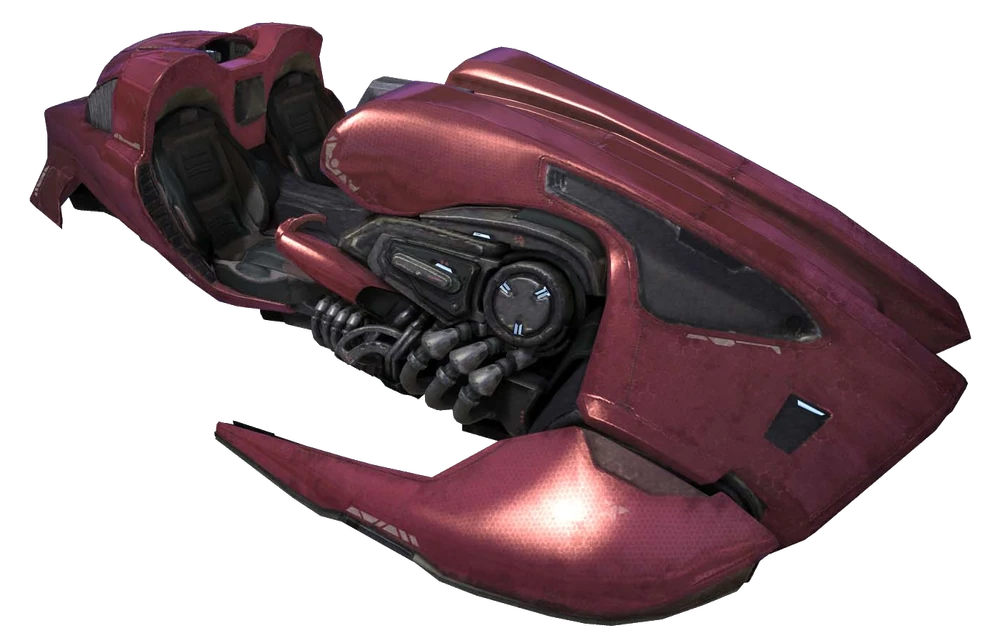
Designed by Dr. Nyakova to bridge the gap between light scouting speeders and heavy siege armor, the Varan-8 (Monitor Lizard, Iteration 8) is a twin-seat repulsor combat carriage built for mobile fire support. The chassis features a low-slung hull housing a heavy grav-drive, providing enough payload capacity to mount a chassis-integrated light plasma mortar alongside a passenger jumpseat. The driver operates the vehicle and controls the forward mortar, firing high-arc plasma charges that deal devastating splash damage to enemy trenches and light fortifications, while the open-air passenger seat allows a companion infantryman to provide 360-degree small-arms cover or anti-tank missile support.
Volk-6 Light Skirmish Carriage (OKB-Nyakova)
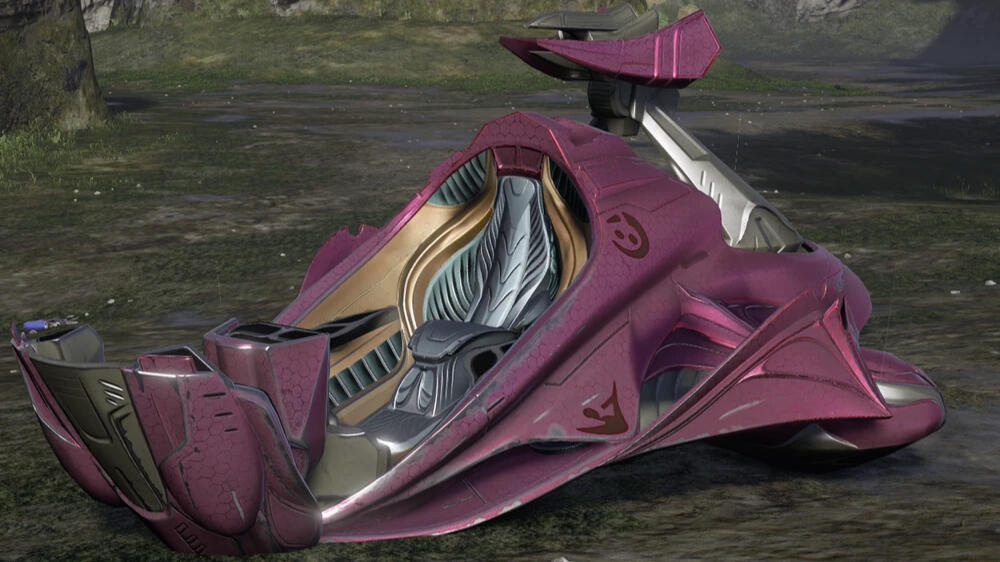
Dr. Nyakova designed the Volk-6 (Wolf, Iteration 6) specifically to fill the gap between fast single-seat speeders and heavy line armor. Built on a low-slung, agile repulsor frame, the vehicle features an open-air seating layout designed around squad mobility. It places the driver up front, two infantrymen on outward-facing side benches, and a dedicated gunner stationed at a rear 360-degree swivel mount. For armament, the rear ring houses a rapid-fire plasma repeater for continuous suppression, while the driver controls a pair of fixed forward pulse cannons on the front nose for head-on skirmishing.
Lindorm High-Mobility Gunship (Ivarion Workshop)
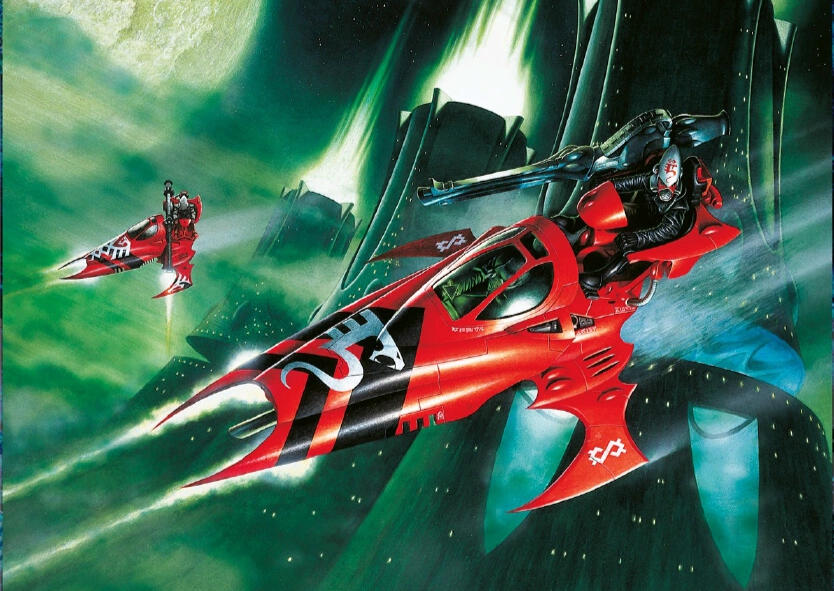
Master Ivarion hand-built the Lindorm in his private workshop, naming the two-seat hover gunship after the dragon of myth. The vehicle uses long, sweeping alloy wings that bend with the wind, letting the pilot make sharp turns and fly through narrow forests or city streets at high speeds. The rear of the craft features a swivel-mount turret controlled by a dedicated gunner, armed with a heavy plasma cannon to blast through armor during quick flybys. The Lindorm protects its crew using high speed, light-bending camouflage built into the hull, and a energy shield that bounces bullets away from the cockpit. Run by a two-man crew of a pilot and a gunner, the Lindorm is used by elite private strike teams and noble guards for fast, heavy hit-and-run attacks.
Hrímfaxi Medium Repulsor Chassis (Ivarion Craftworks)
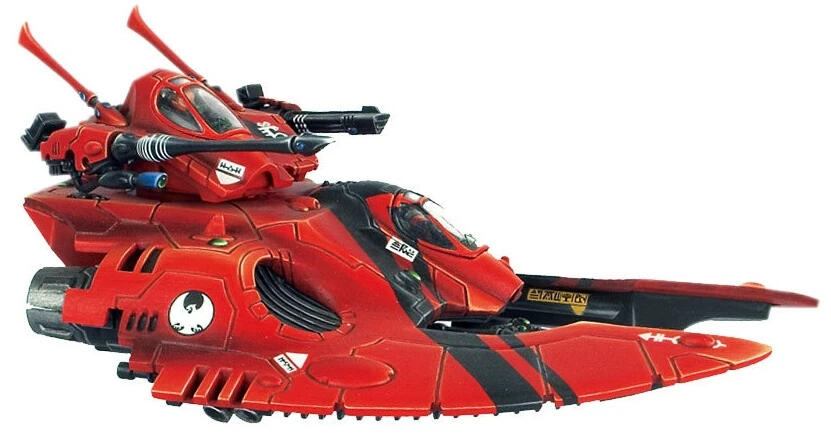
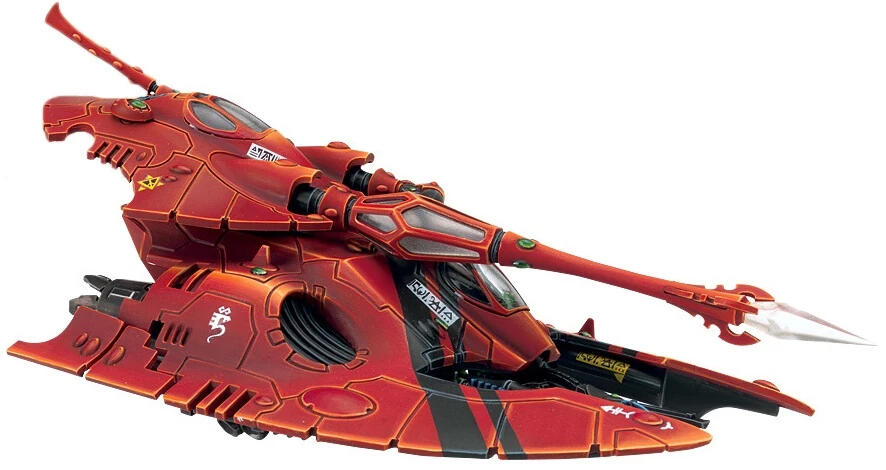
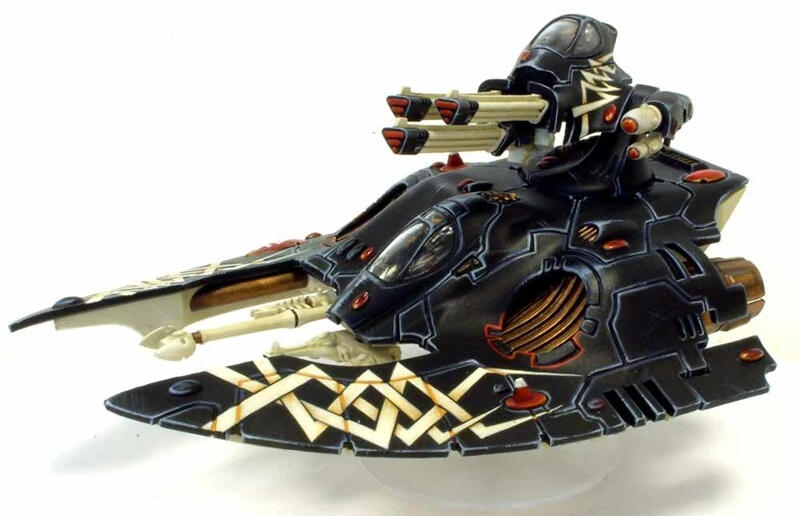
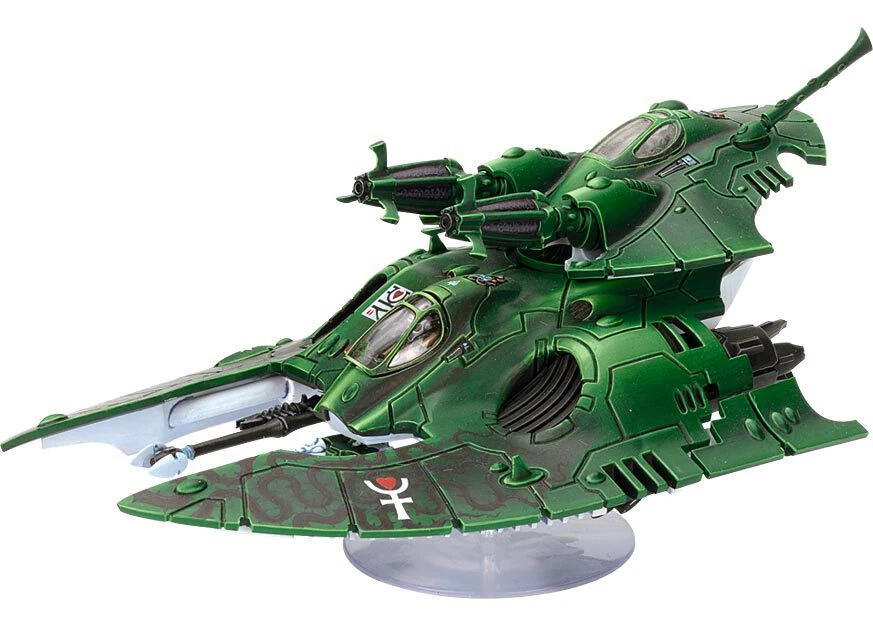
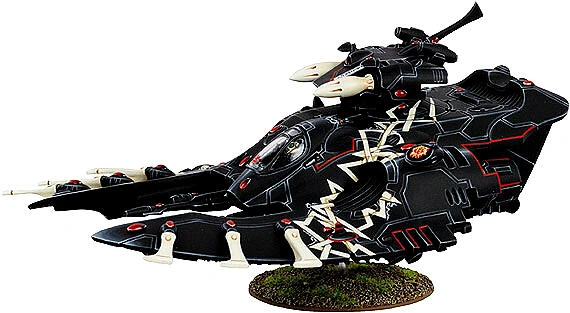
Master Ivarion built the Hrímfaxi chassis in his craftshop to serve as a high-performance medium repulsor platform for the Imperial Military, naming it after the mythic horse that pulls the night sky. The base transport variant carries an internal troop bay for eight fully armed soldiers while using a high-capacity kinetic energy shield. This shield projects a wide forward barrier that absorbs incoming artillery fire and can be discharged outward in a destructive energy wave to clear landing zones for imperial shock troops.The IFV configuration trades half the transport capacity to fit an enclosed primary turret and heavy targeting array. Armed with a high-velocity pulse laser paired with a secondary heavy plasma cannon, it acts as a fast gunship capable of dropping elite fireteams directly onto objectives while providing precision heavy fire support. The driver operates the hull-mounted defensive weapons while the gunner controls the turret's main suite.For long-range anti-armor operations, the chassis is fitted with a massive focused crystal cannon to create the Sköll variant, which also serves as Aelantar's Main Battle Tank. This model removes troop transport entirely to house a dedicated power capacitor that focuses raw plasma through a series of hand-cut lenses, firing a devastating beam that melts heavy battle tanks from miles away. Multiple vehicles can slave their targeting computers together, combining their beams into a single catastrophic strike that can tear through bunker complexes.The Hati variant replaces the crystal cannon with an overhead monofilament web launcher. It lobs broad, high-arching canisters of razor-sharp monofilament wire over terrain, which rain down to coat entire battlefields in an invisible, shredding grid. Enemy infantry and light vehicles moving through the target zone are sliced apart by their own momentum, making it an ideal platform for area denial and breaking massed enemy charges before they reach the main line.To handle low-altitude air defense and anti-infantry saturation, the chassis is configured into the Surtr variant. It mounts a rapid-fire multi-barreled plasma repeater on a high-speed tracking turret, capable of locking onto fast-moving atmospheric jetbikes and drop-craft. The continuous stream of high-temperature bolts creates an impenetrable flak curtain, protecting armored columns from skyward threats.
Makar-23 Heavy Siege Platform (OKB-Nyakova and Magnus Craftshop)
Dr. Nyakova engineered the Makar-23 as a heavy, wide-bodied repulsor siege carriage built around a center-mounted plasma mortar. The chassis uses a heavy repulsor base to absorb firing shock while moving across rough terrain. Operated by a two-man crew, the driver manages vehicle movement and primary mortar targeting while the second crewman operates a forward-facing plasma repeater for close infantry defense.The version constructed by Magnus Craftshop uses less material and is much lighter while sporting a faster firing lower capacity plasma mortar. This massively increases the peed of the Makar self propelled mortar.Makar-23A Atmospheric Defense Carriage
The anti-air variant replaces the central mortar assembly with a with tri-linked plasma autocannons and an integrated magic and psychic tracking. Maintained by a two-man crew of driver who controls the anti air armament and an anti personnel turret gunner, it provides heavy mobile air defense capable of tracking high-speed atmospheric targets and protecting forward armored formations from air strikes.The Magnus Craftshop version of the anti-air Makar has a similar contrast like its mortar version has to the OKB mortar, being lighter in every single way. However, the anti-personnel gun has been upgraded with rounds specifically meant to handle aircraft, and a small shield was provided to protect the gunner, adding more mobile lethality to the vehicle.
Aethelgard Heavy Tank (Ivarion Craftworks)
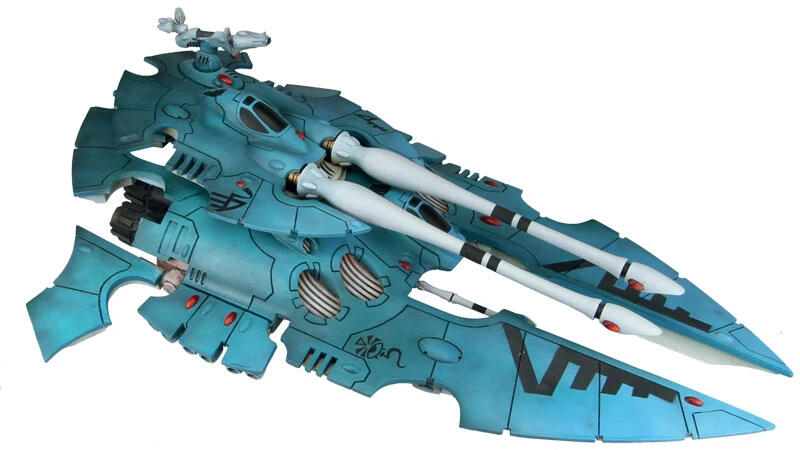
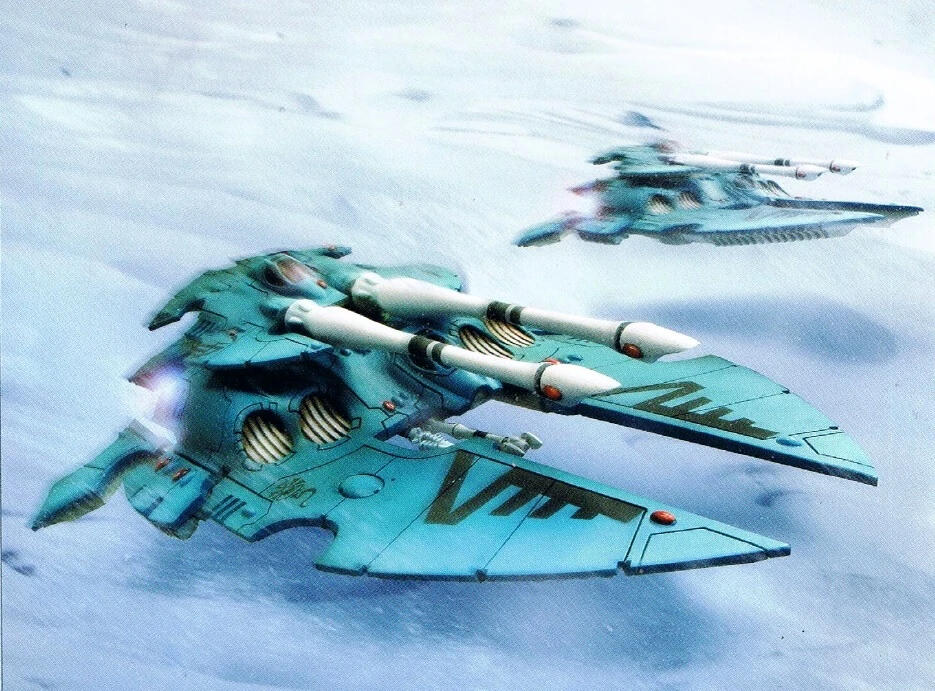
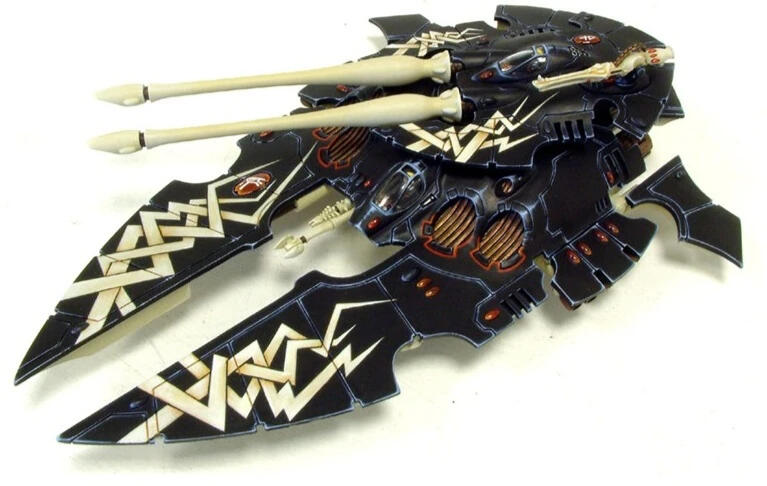
Ivarion Craftworks engineered the Aethelgard as the military's primary super-heavy anti-armor grav-tank, built around a twin heavy particle cannons. The repulsor chassis uses a high-powered anti-grav drive to maintain rapid strafing mobility across open terrain while absorbing the massive energy backfire of its primary cannons. Operated by a two-man crew of driver and primary gunner, it relies on a forward hull-mounted light plasma repeater for anti-infantry defense while using its main guns to punch through heavy fortifications and enemy armor from extreme ranges.
Nidhogg Super-Heavy Siege Engine (Ivarion Craftworks)
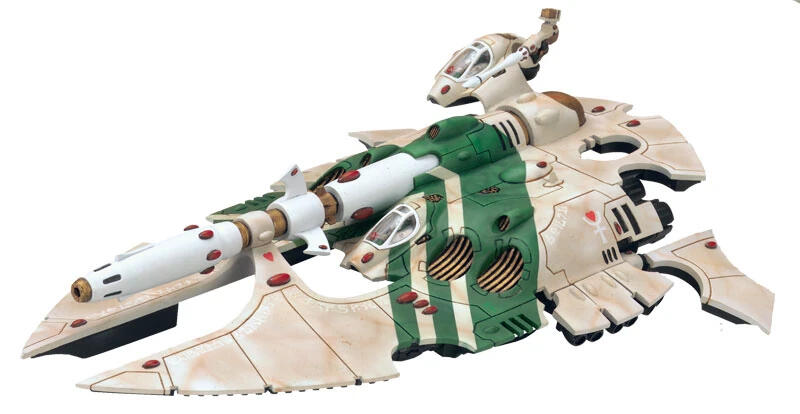
Ivarion Craftworks designed the Nidhogg as a super-heavy platform built around a massive, hull-integrated spatial-distortion cannon. Uses an reinforced chassis to stabilize the immense power load and grav-recoil of its primary weapon, the vehicle is built to collapse localized defensive shields and tear open heavy fortifications in a single shot. Crewed by a commander, driver, and gunner, it retains a light plasma repeater for close security while operating as one of the strongest siege engines the military has on hand.
Skadi Heavy Reconnaissance Walker (Ivarion Craftworks)
Ivarion Craftworks engineered the Skadi as a light bipedal skirmish walker designed for forward reconnaissance and rapid fire support. Built on an articulated two-legged chassis, the open-canopy unit relies on an integrated defensive energy projector to distort its signature and shield its single pilot rather than heavy armor plating. Equipped with high-clearance leg actuators for traversing dense or broken terrain, the pilot operates a dual shoulder-mounted weapon configurations, usually a medium plasma cannon and a missile launcher.
Kleshch-27 Siege Walker (OKB-Nyakova)
Dr. Nyakova designed the Kleshch-23 as a quadrupedal assault walker engineered for breaching reinforced emplacements and fortified lines. Built on four articulated leg struts for high stability on uneven terrain, the heavy frame houses a central power plant that feeds directly into a head-mounted continuous plasma laser. Operated by a single pilot within a fully enclosed armored cockpit, the walker uses its legs to step over debris and bypass obstacles, locking its suspension in place to deliver sustained, high-intensity beam fire that melts through heavy bulkheads, shields, and enemy bunkers.
Uragan-9 Super-Heavy Siege Walker (OKB-Nyakova)
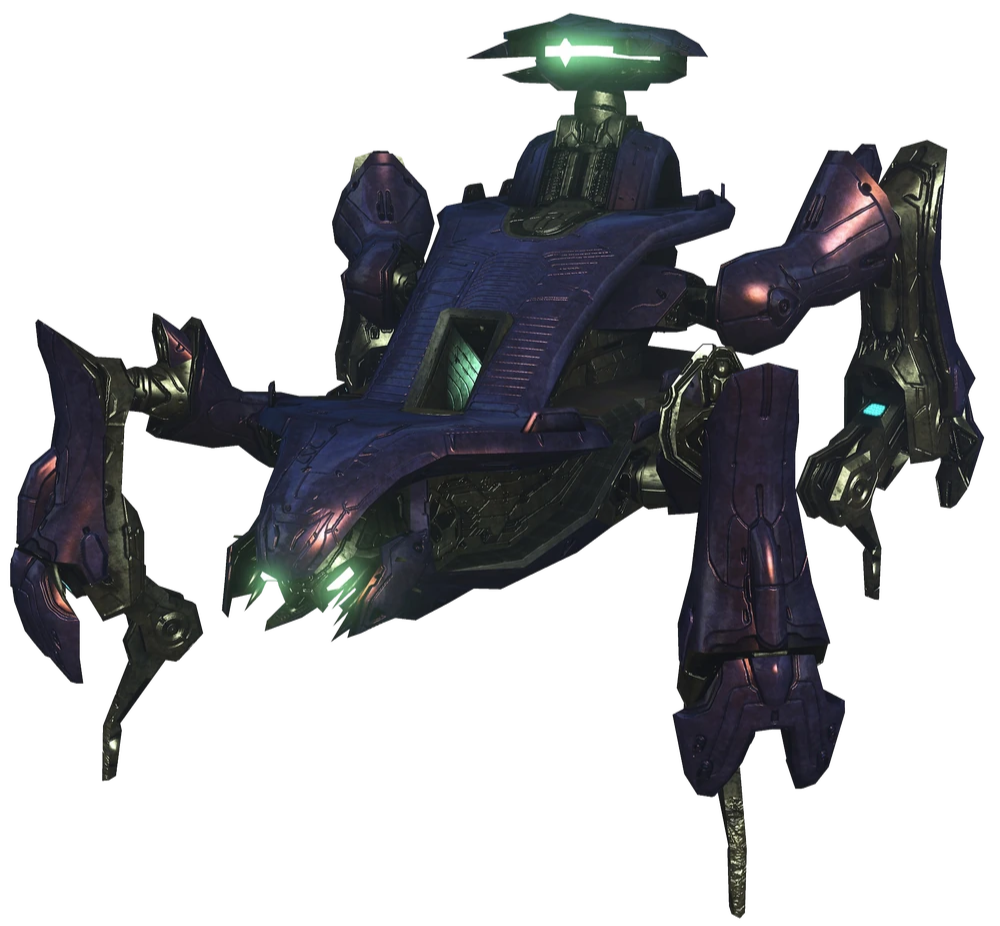
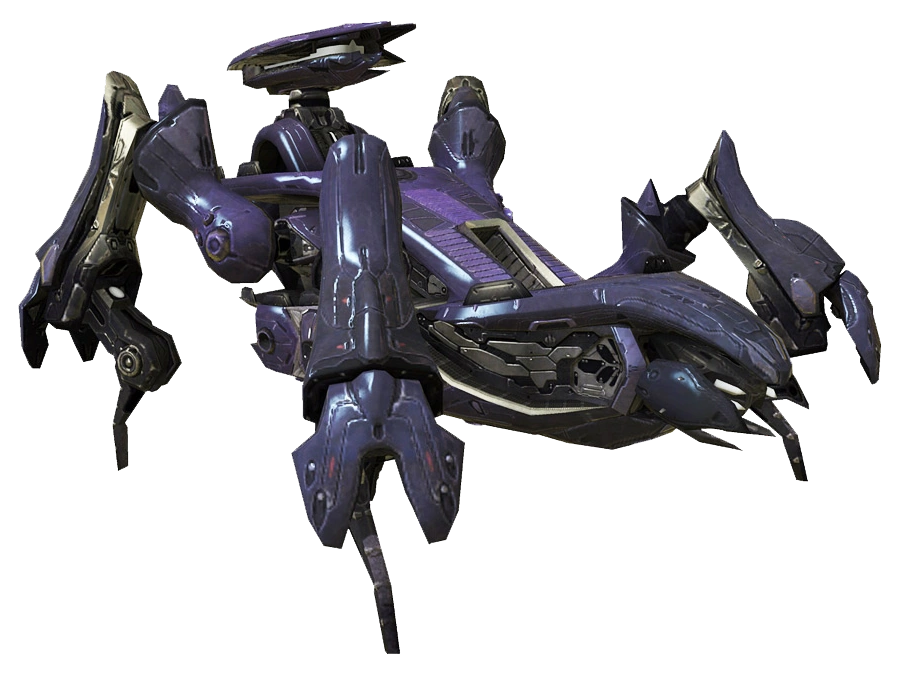
Dr. Nyakova engineered the Uragan-9 as a massive, four-legged siege engine designed to anchor front-line operations and melt through heavily fortified planetary sectors. Supported by four heavy articulated leg struts, the towering frame houses a central automated core processor that runs the vehicle's targeting, locomotion, and systemic diagnostics without requiring a manual crew. The platform carries a primary forward-mounted heavy plasma beam capable of carving through subterranean bunkers and heavy energy shielding, supplemented by secondary defensive pulse turrets positioned along its armored upper hull to suppress infantry and light air threats. It has a back mounted anti-vehicle and anti-air plasma cannon, one that is able to easily track targets to fire upon them.
Grom-10 Heavy Siege Walker (OKB-Nyakova)
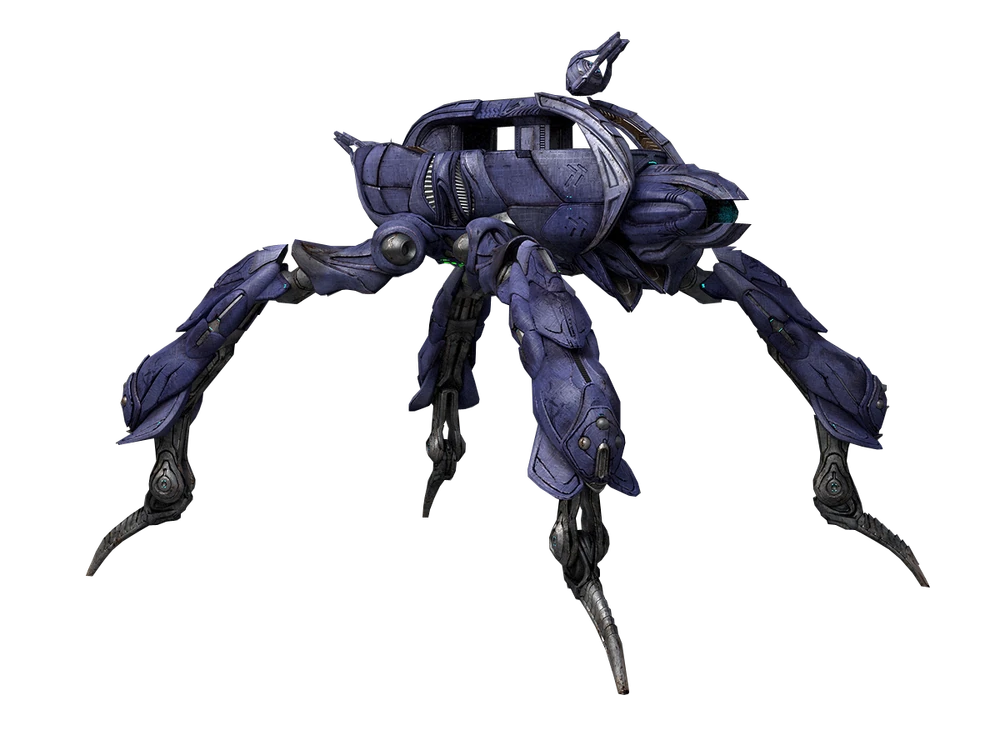
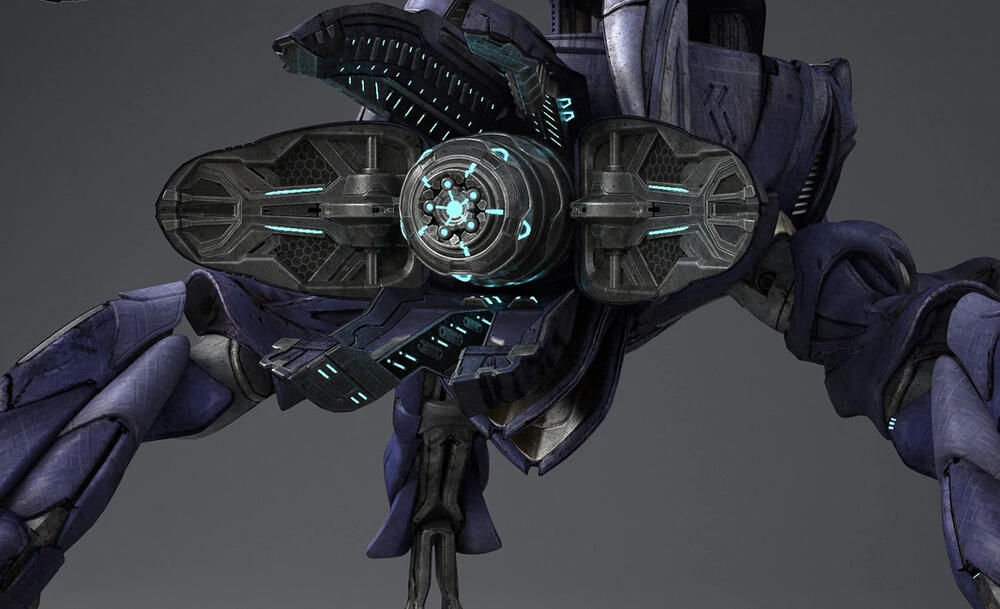
Dr. Nyakova engineered the Grom-1 as a heavy long-range artillery platform built specifically around a high-output reactor and direct-feed plasma focus cannon. Designed around an tall quadrupedal superstructure, the platform allocates its entire interior mass to heavy energy conduits, thermal dissipation grids, and direct weapon housing. A four-man crew (pilot, commander, and two systems gunners) manages target acquisition and power distribution, locking the walker's massive leg struts directly into the ground to stabilize the chassis while firing high-intensity plasma beams that obliterate enemy fortresses and super-heavy targets from extreme ranges. Two anti-air plasma cannons are mounted atop the hull, facing both directions, giving the vehicle cover from aerial attacks.
Air/Space Vehicles
Nya-12 "Strakh" Light Attack Craft (OKB-Nyakova and Magnus Craftshop)
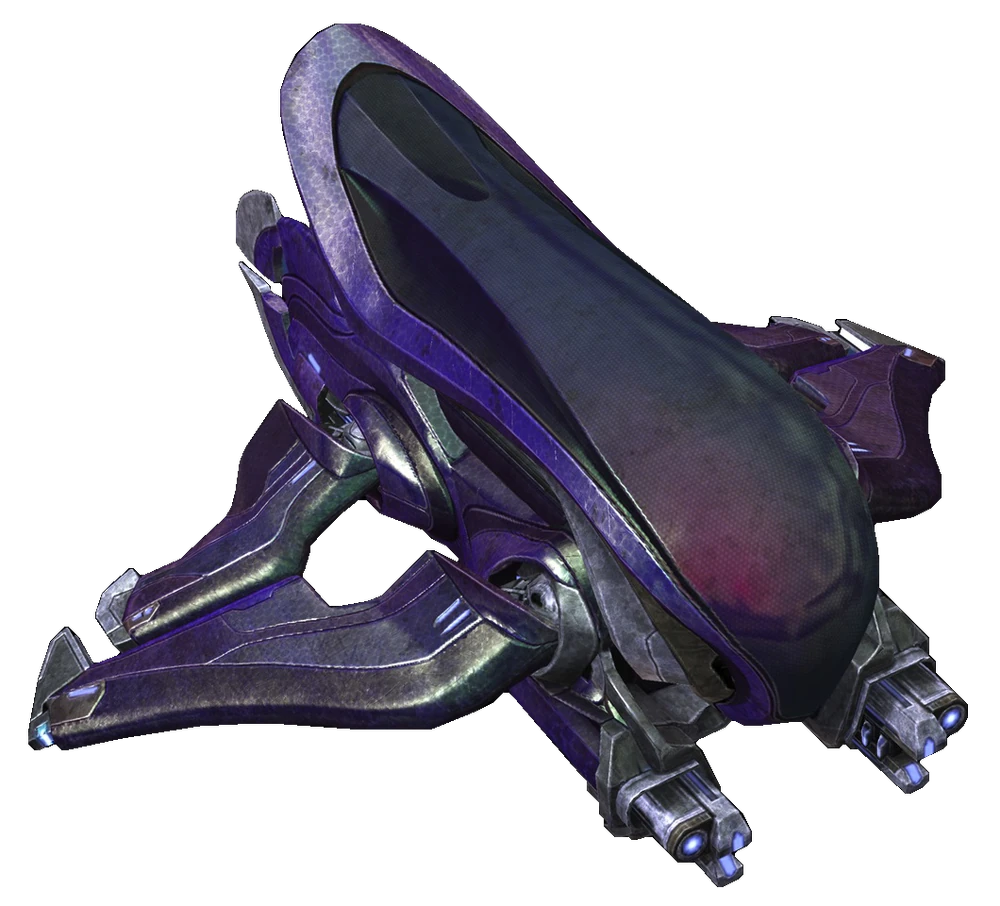
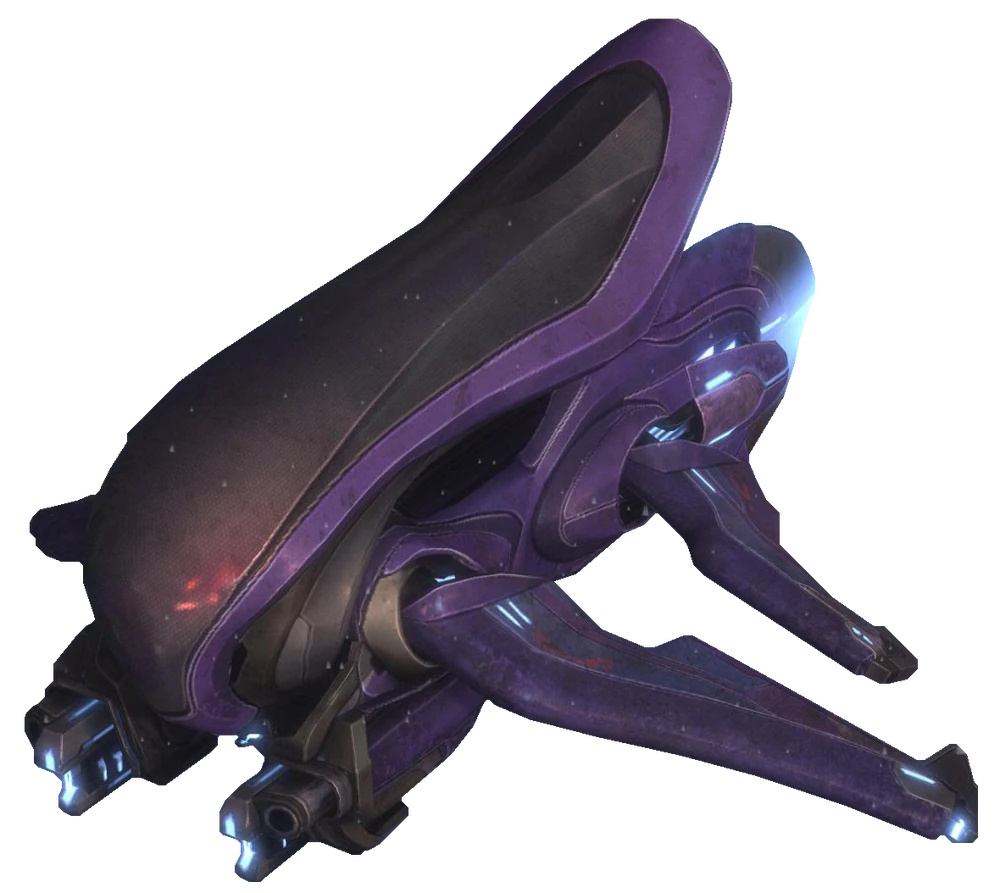
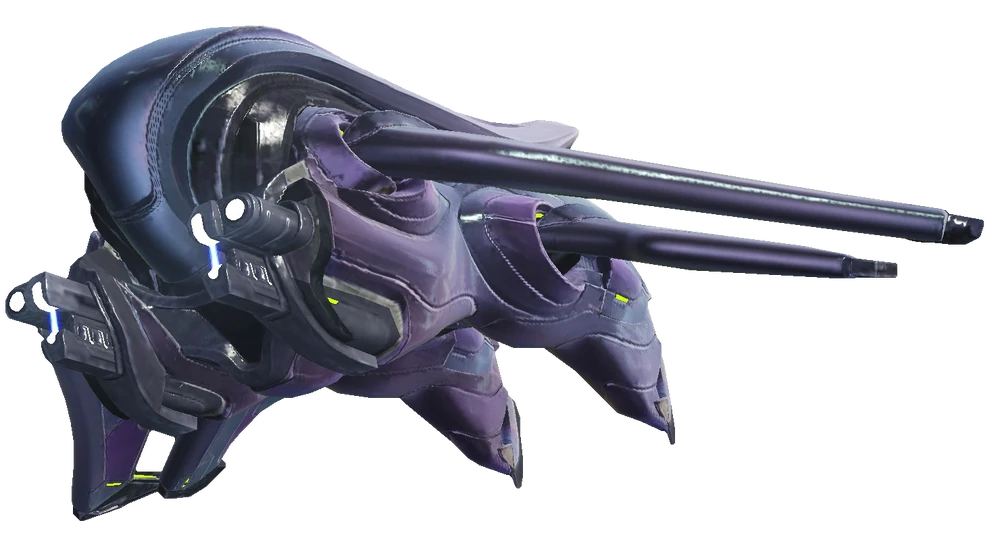
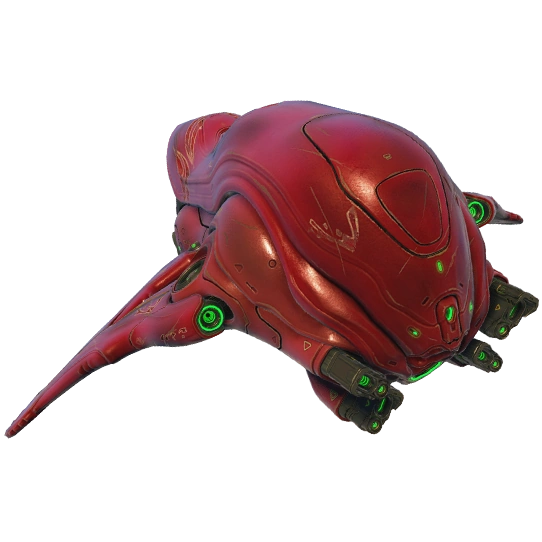
Dr. Nyakova engineered the Nya-12 as a single-pilot, repulsor-driven ground-attack craft designed for high-speed strafing runs and atmospheric interception. Built around a compact, armored hull with a fully sealed cockpit, the craft uses twin anti-gravity impellers and swept wing-boosters to execute extreme evasive maneuvers close to the ground. Armed with forward-firing dual plasma repeaters and a lower-slung light plasma torpedo tube, the pilot relies on raw mobility and dense front-arc plating to punch through low-altitude kill zones, deliver devasting close-support salvos, and disengage before heavy anti-air batteries can lock on.The Nya-12S is the model of the craft with far heavier shielding and armor, allowing it to be more easily be designated for ground attack operations, its engines were also beefed up to still retain its high maneuverability even with the heavier armor.
Nya-35 "Skat" Heavy Dropship (OKB-Nyakova and Magnus Craftshop)
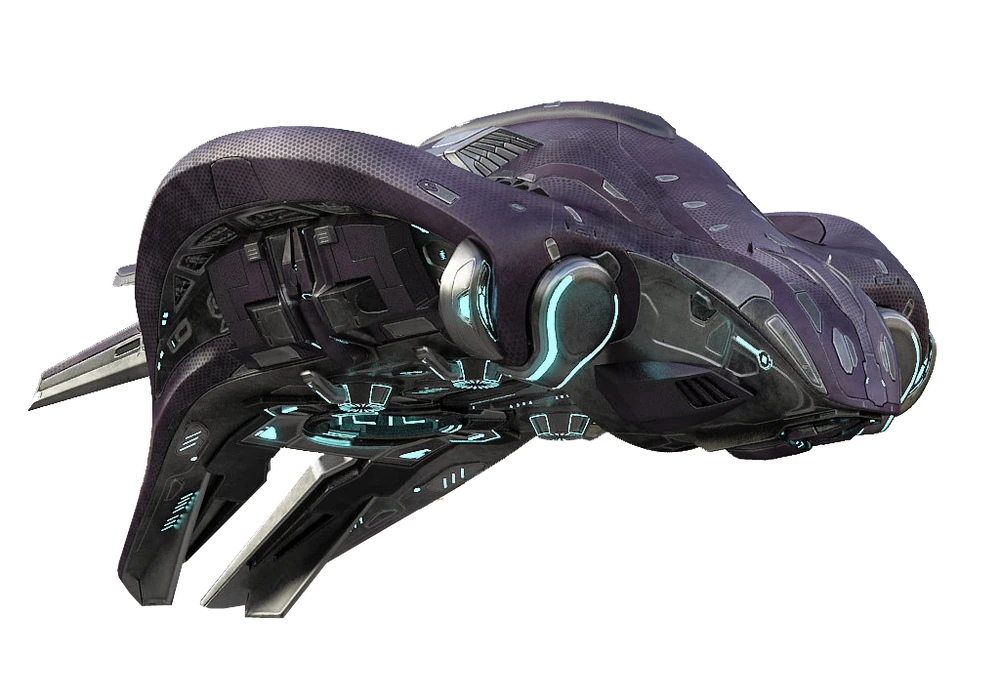
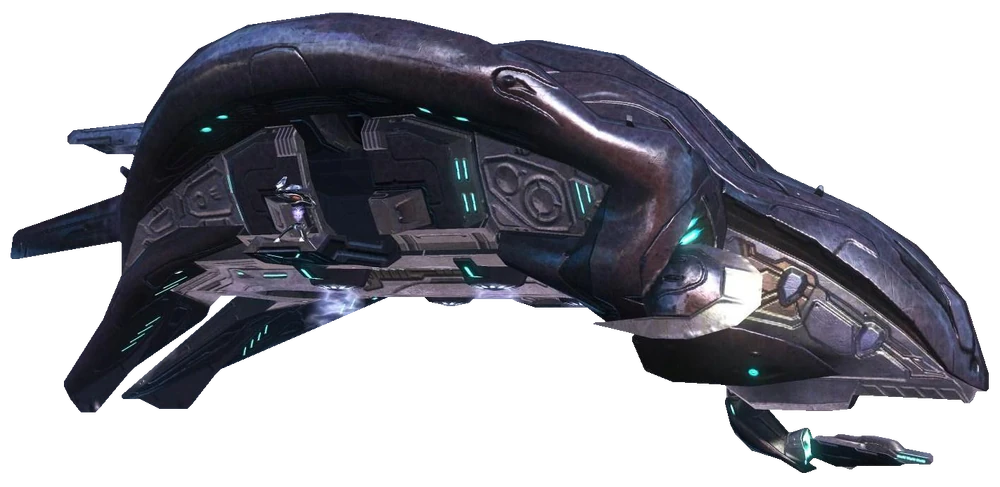
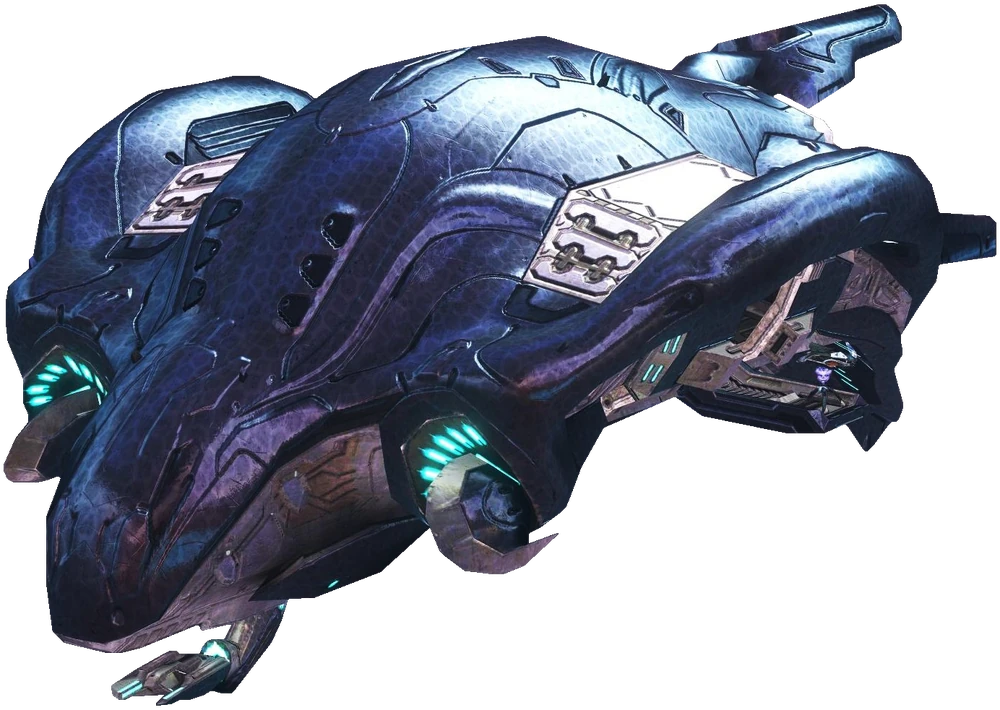
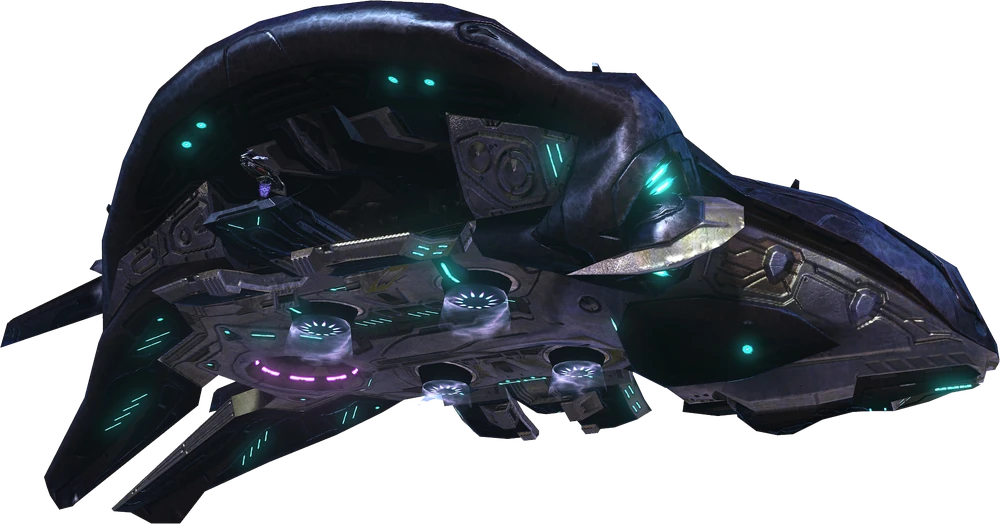
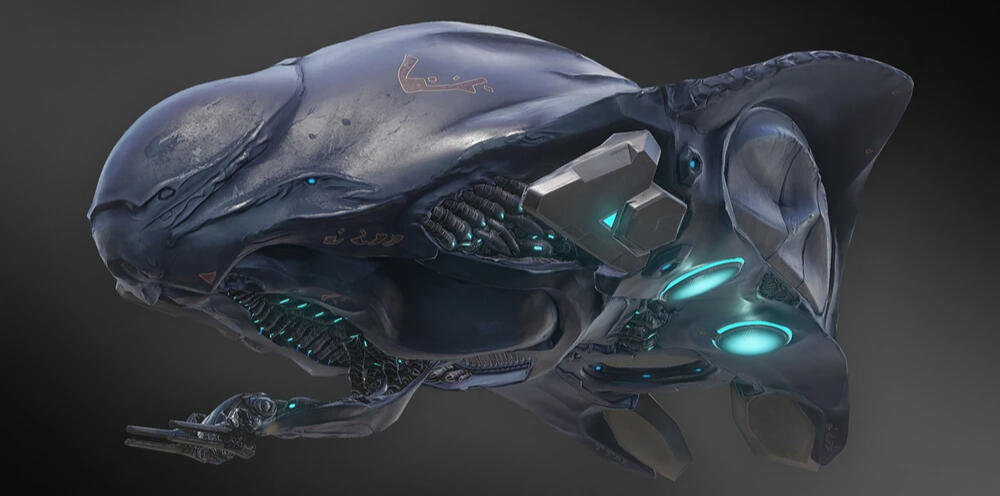
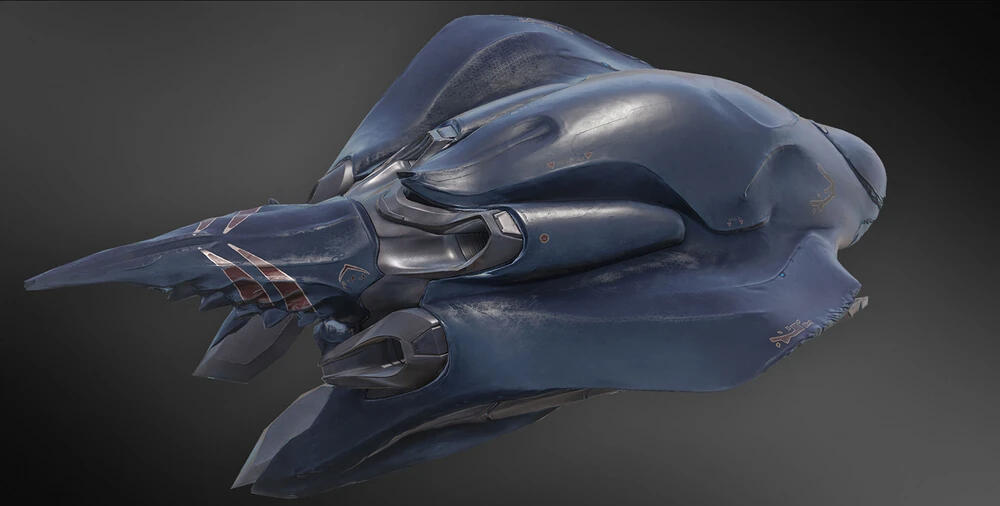
Dr. Nyakova engineered the Nya-35 to serve as the primary transport node connecting orbital fleets to ground-level warzones. Built around a heavily armored, twin-pronged repulsor chassis with a sweeping upper hull, the dropship features a centralized ventral gravity lift that allows it to deploy infantry squads, supply crates, and light skirmish vehicles directly onto the battlefield without needing to land. Operated by a pilot and co-pilot with dedicated door gunners, it relies on side-mounted plasma repeaters and a chin-mounted heavy plasma cannon to clear landing zones, using its high-capacity anti-grav impellers to hover stably under heavy fire and punch back out into orbit.The Nya-35S was made by Magnus Craftshop to look far more organic compared to the base craft, and has a lot of deeply integrated stealth features. It outright has a phase drive, allowing it if fully sealed up to outright pass through anything in the 3D world, passing through solid objects as if they weren't even there and going invisible to most detection methods.
Nya-15 "Vilka" Assault Dropship (OKB-Nyakova)
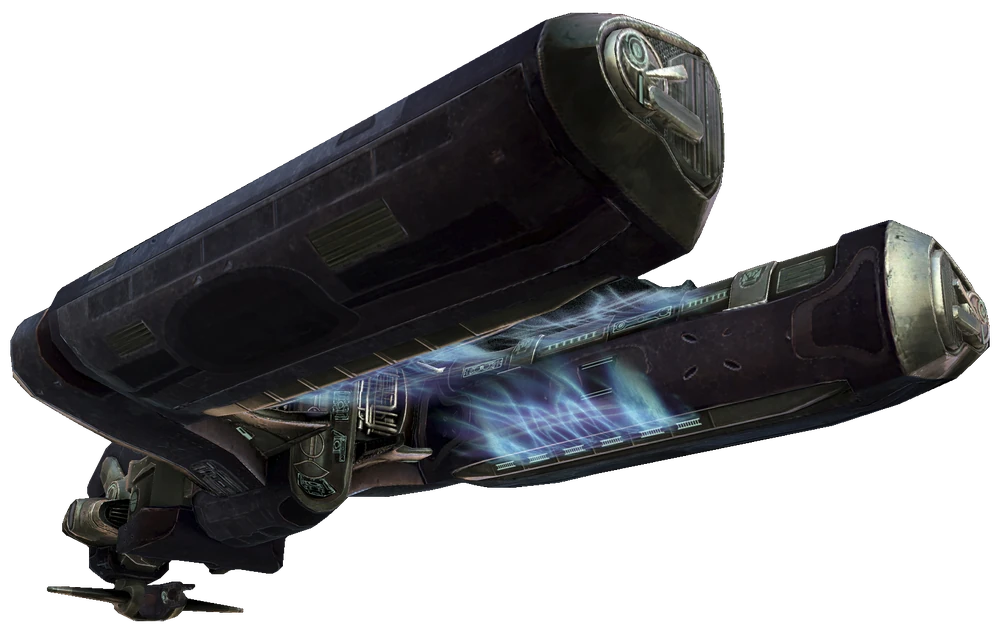
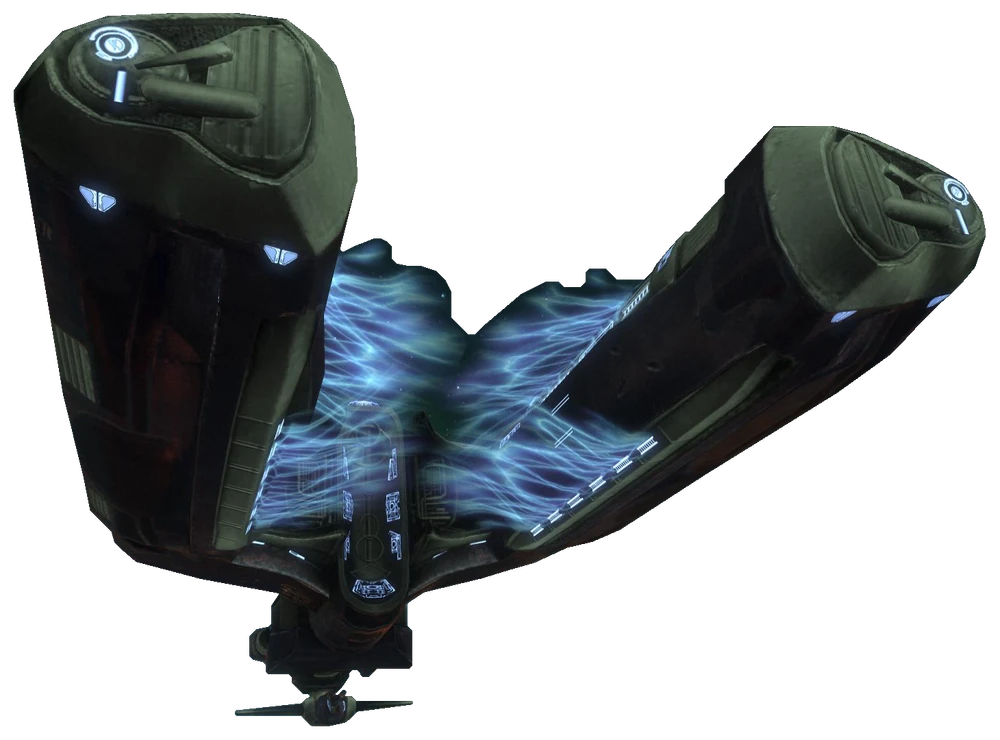
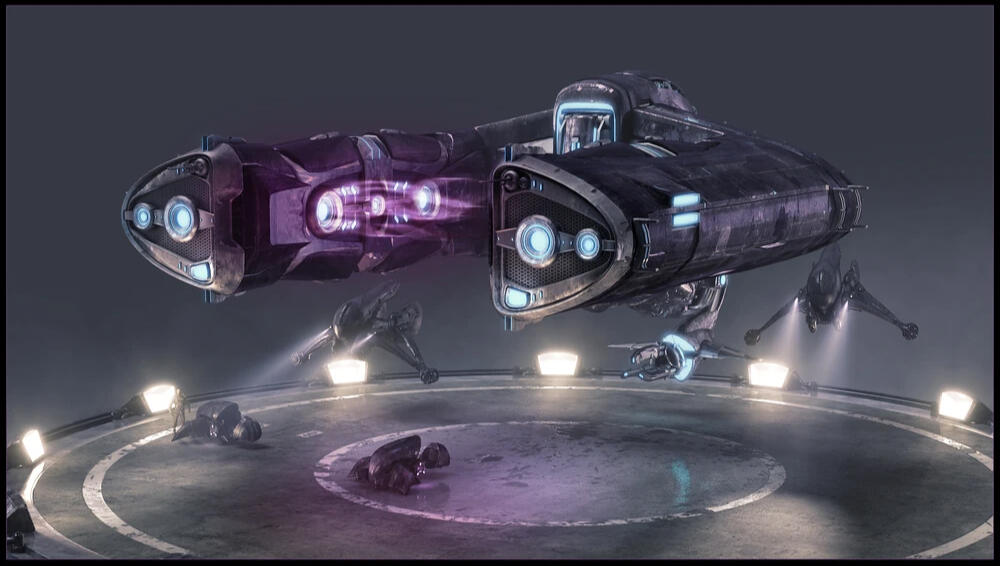
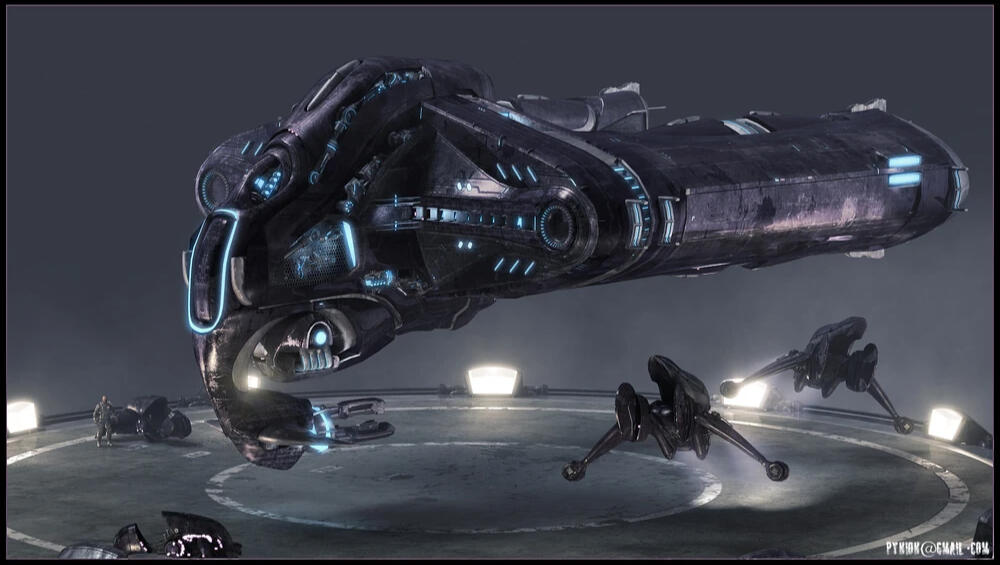
Dr. Nyakova engineered the Nya-15 as a low cost, in-atmosphere troop transport built specifically for high-speed insertion under heavy fire. It has a rigid split-hull design with a central open gap between two elongated armored prongs, the craft prioritizing maximum atmospheric velocity over cargo capacity. Dedicated primarily to rapid infantry deployment, two lateral troop bays line the outer walls of the forks, allowing infantry to drop directly into combat zones. While capable of carrying external hardware slung beneath its prongs, the chassis leaves most logistics to the Skat.
Nya-12SMT Strakh Interceptor (Magnus Craftshop)
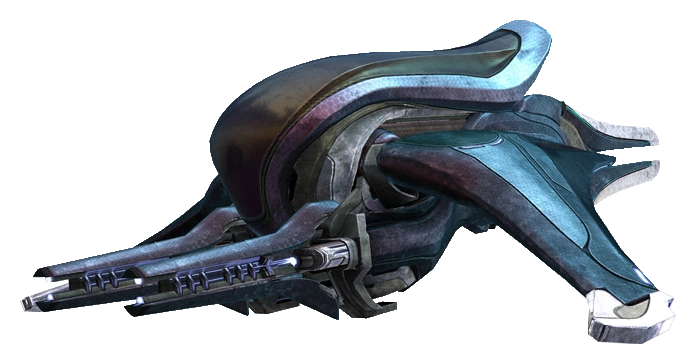
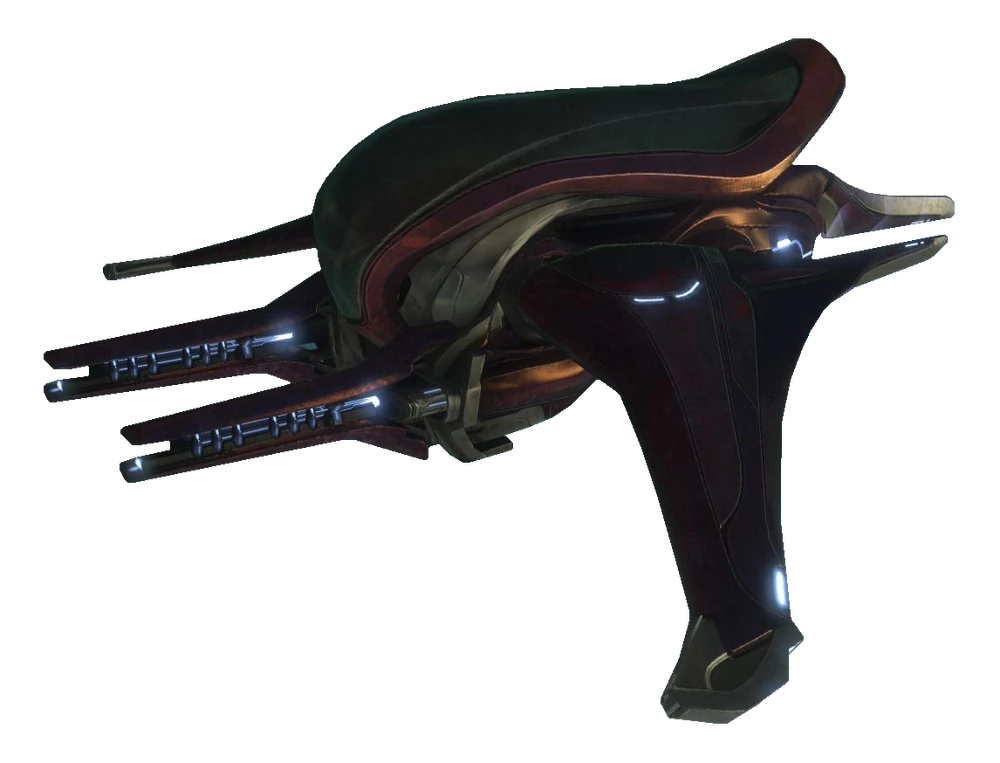
Recognizing the operational limits of the standard atmospheric Nya-12, Magnus Craftshop developed the Nya-12SMT as a high-spec interceptor variant built directly off the core OKB-Nyakova airframe. The canopy and atmospheric intakes are replaced with a reinforced, fully pressurized composite canopy and high-output maneuvering thrusters integrated along the wingtips. To accommodate orbital combat velocities, Magnus upgraded the primary reactor to drive dual, heavy-bore plasma cannons with significantly higher cycle rates and bolt velocity, as well as supercharged the light plasma torpedo tube. While retaining the agile spaceframe of the baseline Strakh, this heavy refit transforms the craft into a lethal, space-capable interceptor tailored for ship defense, orbital dogfighting, and high-speed interception of incoming enemy landing craft.
Nya-27 "Striga" Star-Fighter (OKB-Nyakova Magnus Craftshop)
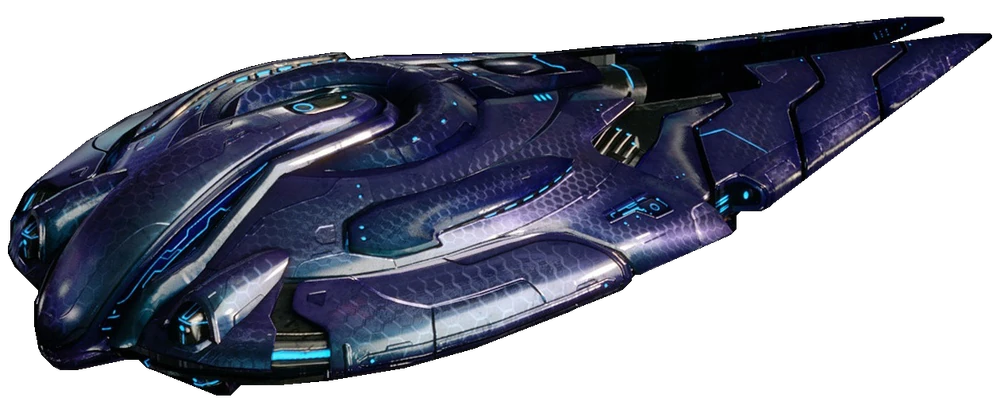
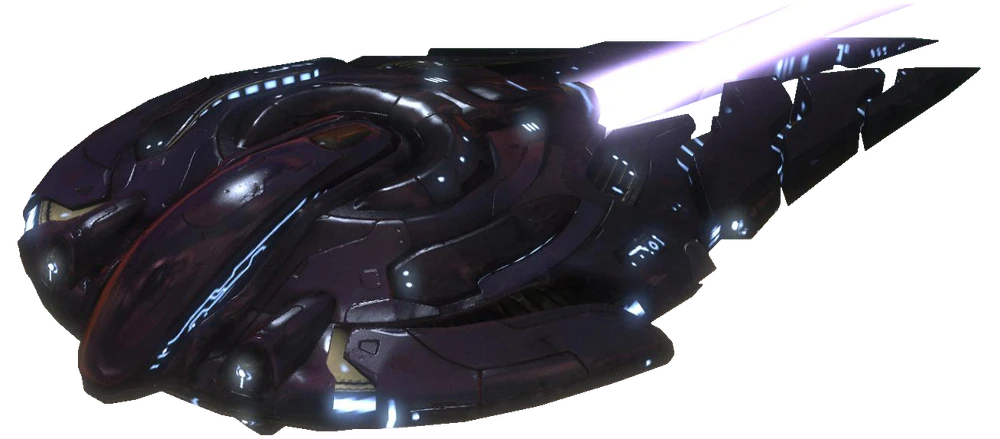
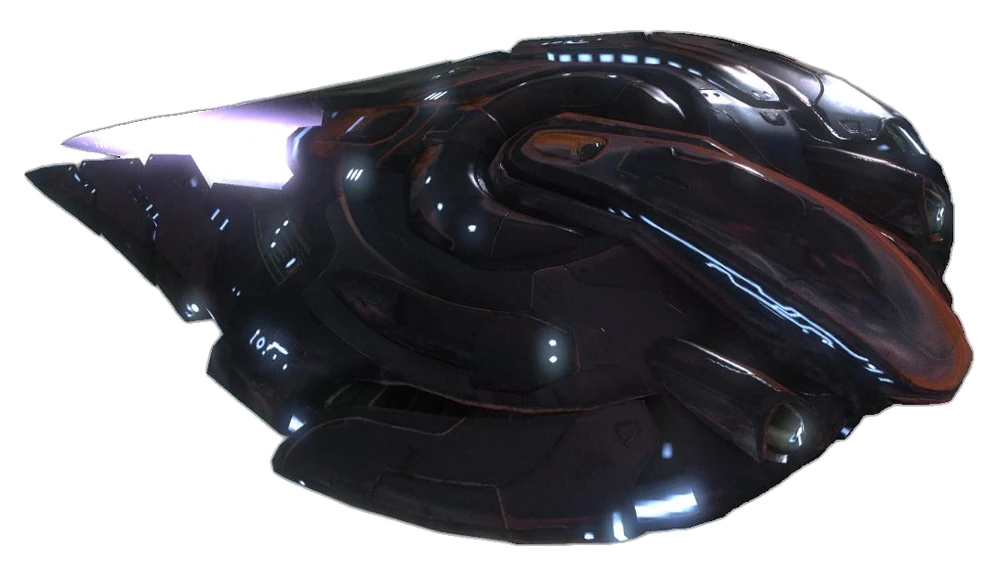
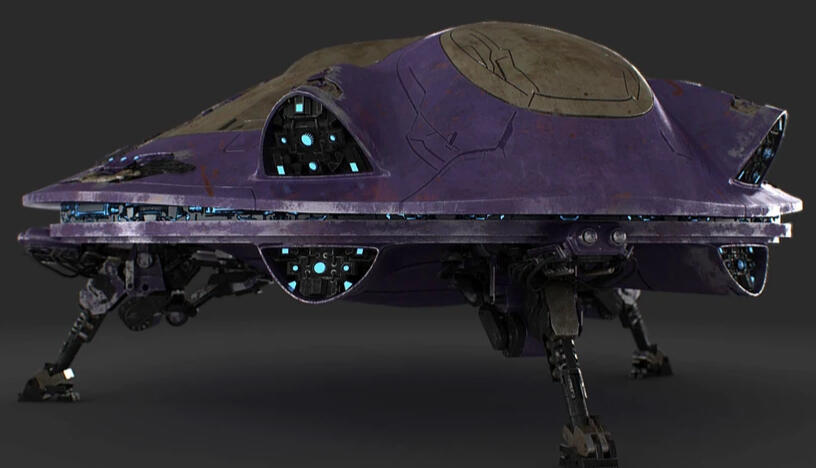
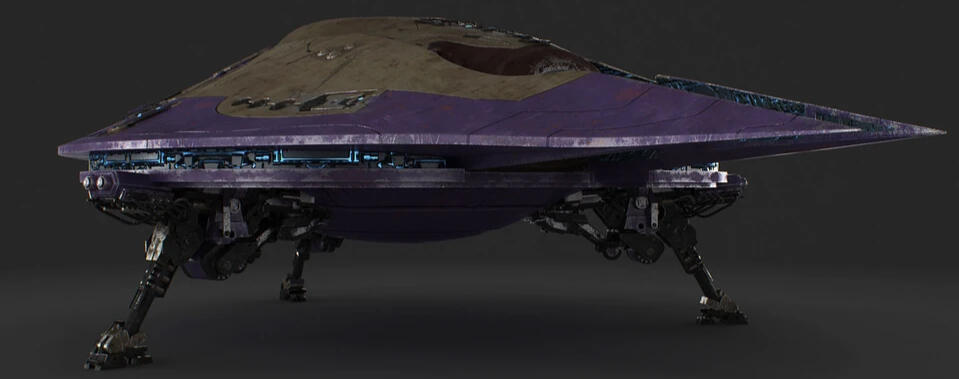
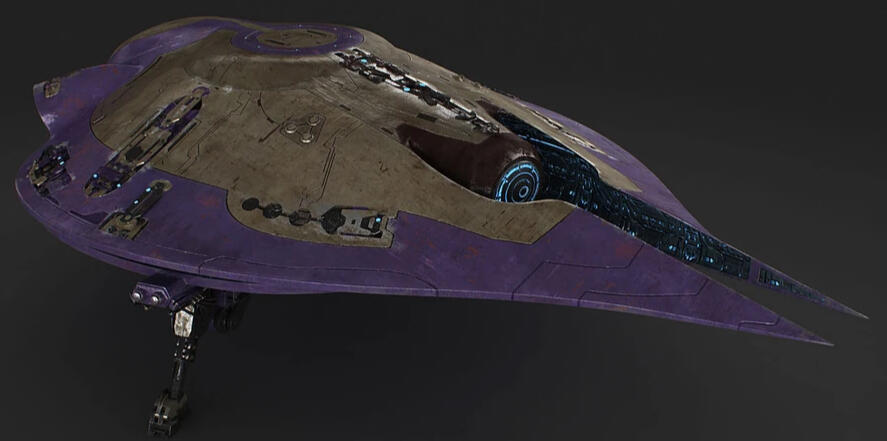
Dr. Nyakova designed the Nya-27 Striga as the state’s primary line-of-battle fighter, engineered specifically for fleet defense and orbital superiority. Built around a sleek, teardrop-shaped body with fully integrated energy shielding, the craft houses an oversized sub-light engine core to maintain high atmospheric and vacuum acceleration, alongside the smallest dimension drive, allowing it to cross galactic and dimensional distances easily. Operated by a single pilot, the fighter mounts heavy dual-linked plasma cannons and two rapid charge plasma torpedo tubes. The craft from the ground up is a air and space superiority fighter, fast, maneuverable, great defenses, and incredible speed all coming together into one package.The Nya-27S is configured with stronger shielding and armor, its dimension drive removed so it is tethered to a locale. This craft is mainly meant to engage against hostile ships while serving aboard a carrier aircraft of some sort, or as CAS.
Nya-35SMT "Skat-G" Heavy Gunship (OKB-Nyakova)
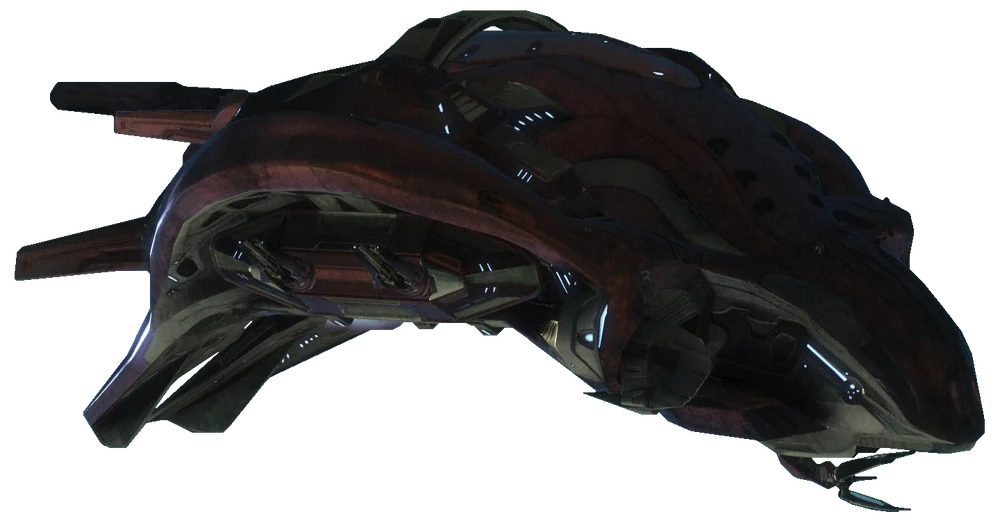
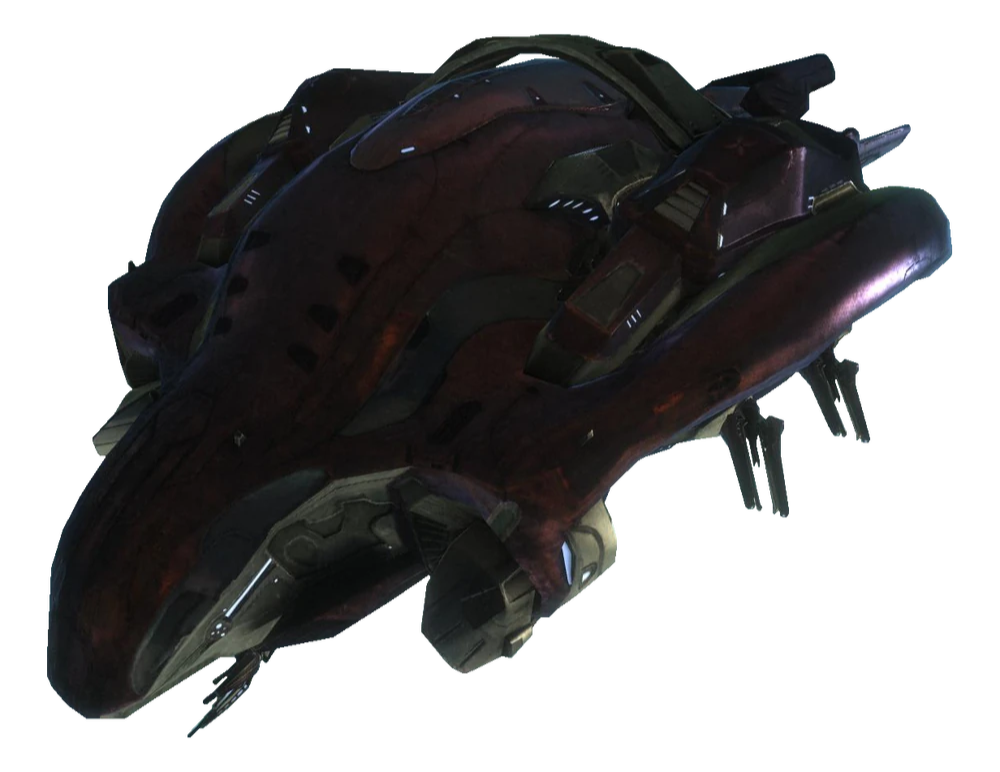
Dr. Nyakova adapted the Skat frame into a dedicated orbital and atmospheric assault craft built to threaten enemy warships and heavy installations directly. Stripping away the central ventral gravity lift and troop bays, the interior is sealed and re-engineered around a compact capacitor bank and secondary reactor core. This dedicated power grid feeds twin heavy plasma batteries broadside along the chassis, a ventral torpedo tube, and a forward-slung heavy plasma lance. Operated by a crew of four (pilot, co-pilot, and two gunners), the heavy gunship uses its dense forward plating and directional shielding to withstand anti-strike craft fire, delivering concentrated salvos that punch through warship hulls and burn out orbital defenses before disengaging.
Nya-160 Zmey Ultra-Heavy Deployment Platform (OKB-Nyakova)
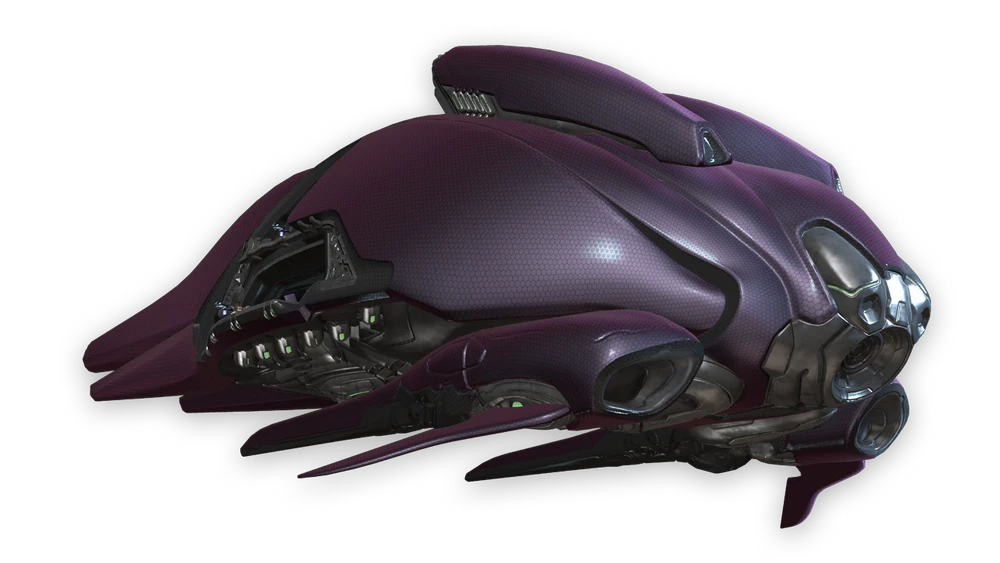
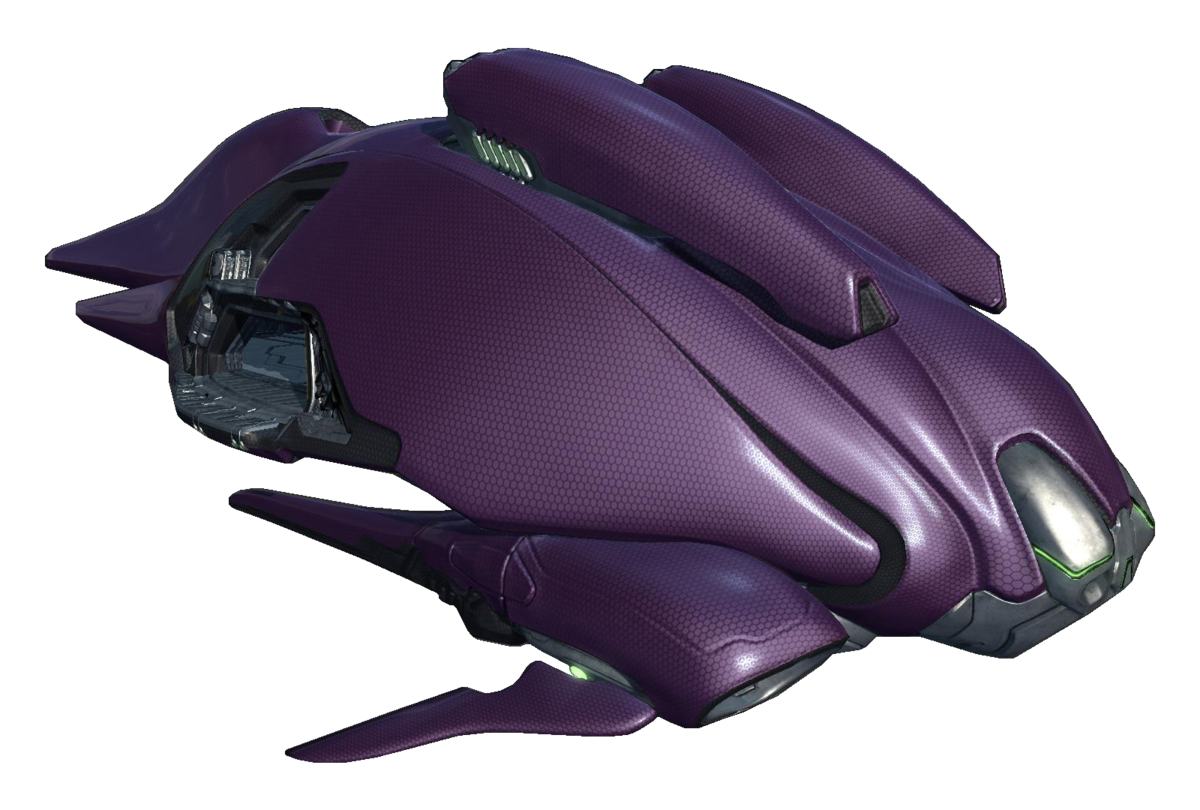
Measuring 102.8 meters in length, 50.9 meters in width, and 34.7 meters in height, Dr. Nyakova engineered the Nya-160 as a bridge between strike craft and warships. Functioning as a flying siege engine and command hub, the vessel sits directly above the Skat in the logistical hierarchy, capable of ferrying up to 100 fully equipped infantry (more if space is maximized) that it an deploy via side doors or gravity lift, alongside massive armor compliments or prefabricated base structures directly into active warzones. Equipped with a dimension drive allowing it to traverse across a universe easily, and directional energy shielding, the platform operates independently across both orbital and atmospheric theaters. Its primary weapon is the same plasma plasma beam weapon as the Uragan and Grom, and two medium plasma torpedo tubes. It can be retrofitted to be in more of a gunship role like the Skat, being able to be equipped with so much heavy ordinance that it punches right below in the weight class of the picket cruiser.
JAS 24 Valravn High-Speed Interceptor (Ivarion Craftworks)
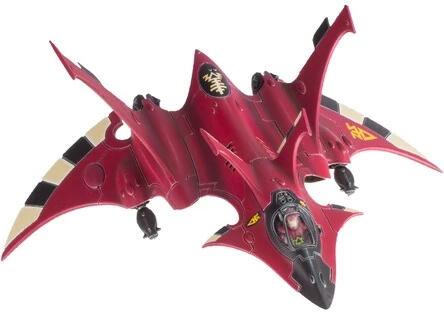
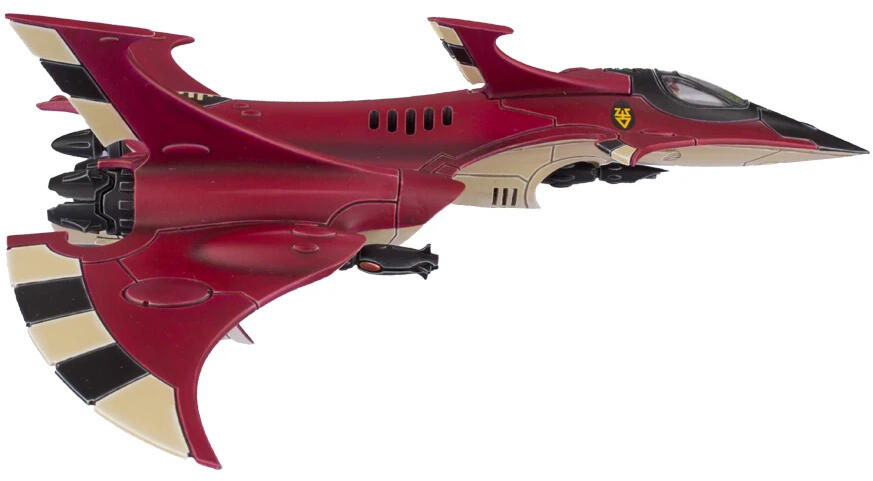
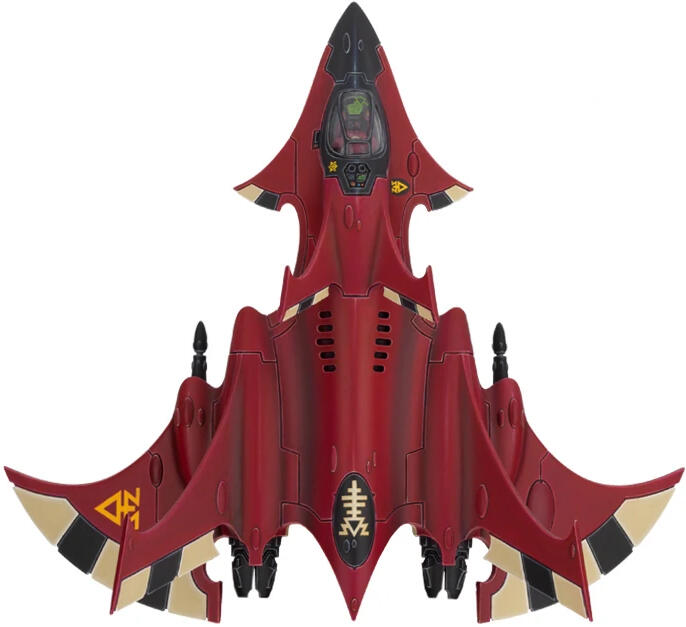
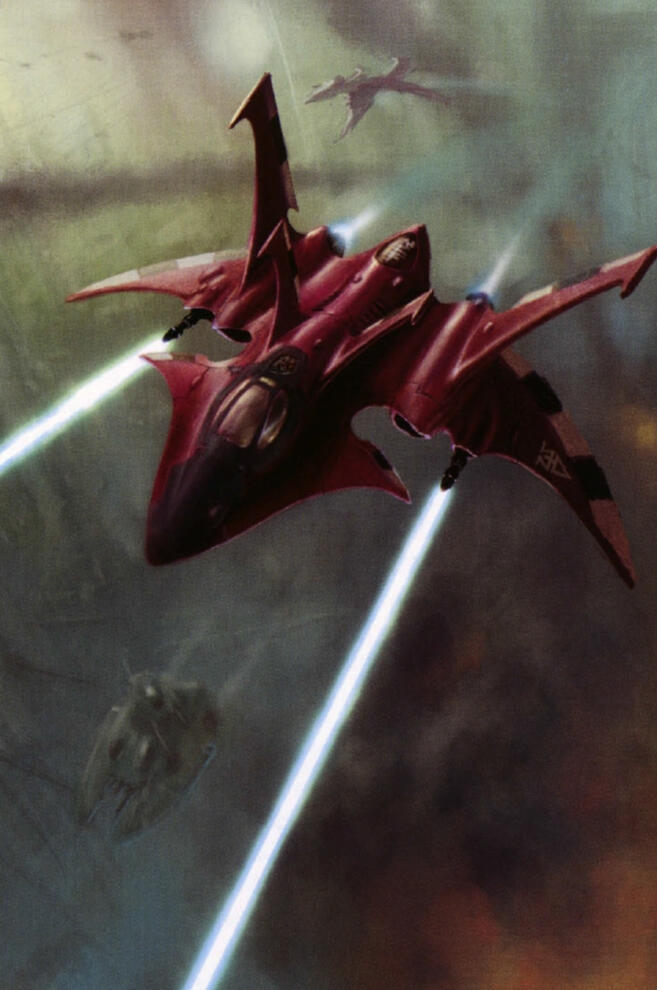
Ivarion Craftworks engineered the JAS 24 Valravn as the multirole fighter designed to dominate planetary skies through superior speed and agility. Built around a forward-swept wingframe with repulsor engines, the craft has extreme roll rates, rapid climbing capability, and upper-atmosphere/space mobility. Operated by a single pilot, the craft mounts long-range forward particle lances under its wings. Engineered to hunt enemy fighters, interept larger craft, and striking ground targets, the Valravn relies on its aerodynamic geometry and high-output engines to execute impossible dogfighting angles, shredding target craft before disengaging into the upper cloud layer.
JA 22 Viggen Multi-Role Fighter (Ivarion Craftworks)
Ivarion Craftworks designed the JAS 22 Viggen as a CAS-Interceptor hybrid, able to strike tanks one moment, and then incercept high altitude targets the next. Built around a crescent-shaped forward-swept wingframe with rear stabilizing vanes, the airframe redirects airflow and repulsor thrust for extreme atmospheric maneuvering. It has a single pilot, and the craft houses twin nose-mounted particle cannons along its split forward nose alongside underwing hardpoints for anti-armor and anti-air munitions.
Imperial Navy
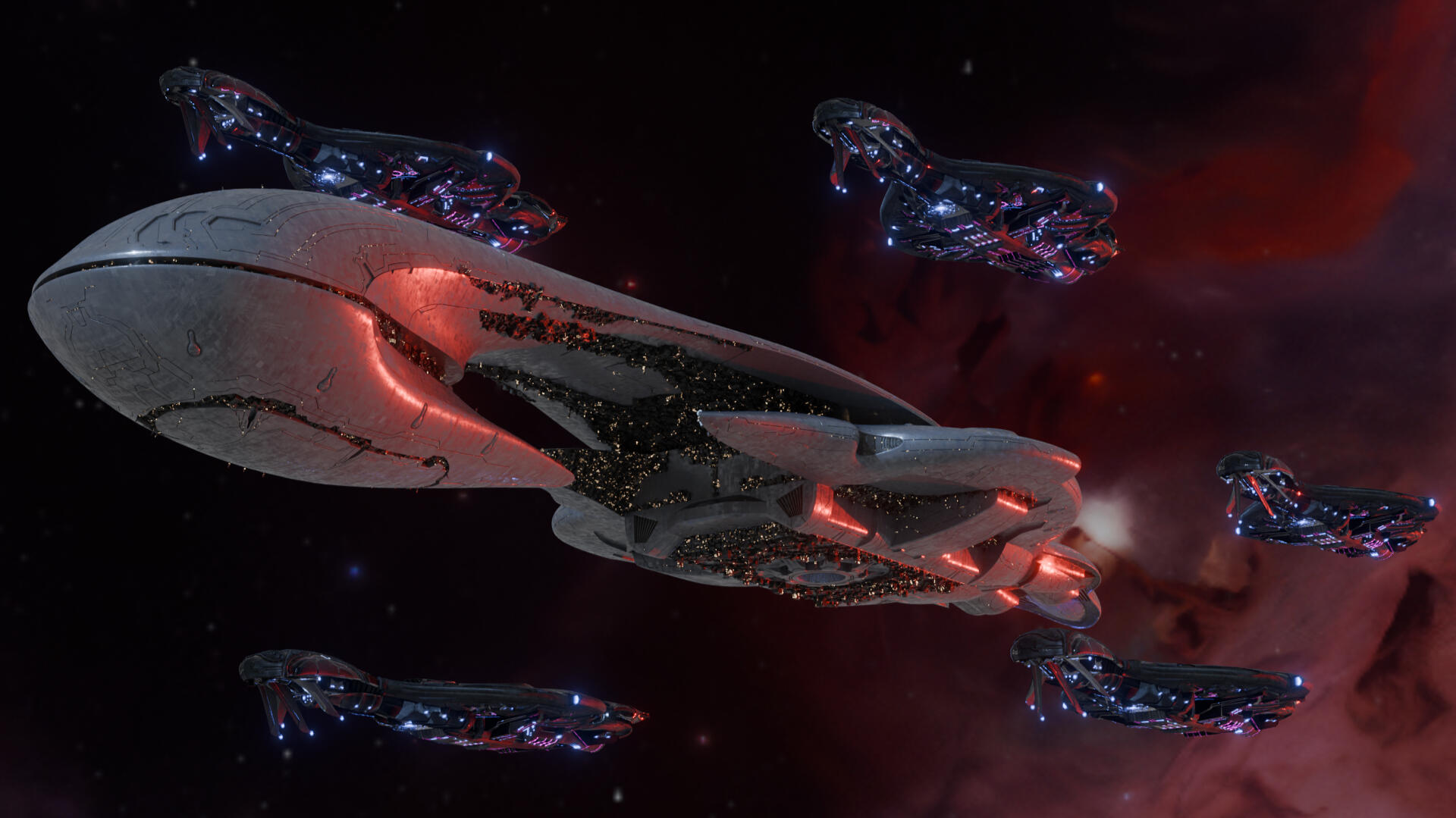
Ship Design Philosophy
The Ship Design Philosophy is defined by the three core tenets of function, intimidation, and modularity. Function dictates that every line of the hull serves a pragmatic purpose, favoring the organic shapes and sensor coverage. Intimidation is achieved through the massive scale of the vessels and overabundant firepower. Modularity ensures that every ship is a versatile platform, using standardized internal bays and internal weapons that can be rapidly reconfigured for any mission, from planetary siege to diplomatic governance. This results in a fleet of self-sustaining mobile fortresses.All naval ships, and vehicles as a whole have strong integrations with magic and psychic powers, making them unique tools of warfare that require robust defenses and weapons in order to stand toe to toe with.
Weapon Philosophy
The Tri-Point weapon system is a multi-phasic energy projectile shot by Gungnir Weapon drives that synchronizes disparate layers of physics and metaphysics into a single event. Unlike standard kinetic or thermal weaponry used by most spacefaring civilizations, an Aelantaran volley tries to circumvent defenses entirely.The process begins with a high-intensity psychic shell that serves as the initial wedge. Because conventional shielding is designed to intercept physical projectiles or dissipate energy, it possesses no inherent resistance to a focused psychic attack. This layer acts as a masking agent, allowing a round to go through defenses that would normally stop even the strongest of physical or plasma rounds. It also on occasion is enough to drive the enemy crew into throws of insanity if the Psychic energy is prioritized in the round and its effects.Following the psychic layer, the weapon is given a Runic Infusion, which acts as a delivery system for various magical effects on the round impacting defenses or the hull. The battery gunners cycle through specific runic payloads to achieve different tactical outcomes. A strike using Thurisaz functions as a metaphysical thorn, instantly shattering energy lattices and inducing a cascading failure in electronic circuitry similar to a localized ion storm. If the mission requires total thermal saturation, Sowilo triggers a fusion reaction upon contact, briefly manifesting the heat of a star’s core to melt through reinforced alloys. For battlefield repositioning, Raido exerts a violent spatial shove that augments the bolt's kinetic force, capable of physically displacing a destroyer or forcing it into a collision course with its own fleet.The final stage of the sequence is the Thermal Finisher, the core of plasma held together through all of this. By the time the inner layer affects the target, the psychic shell has stripped away the protective barriers and the runic infusion has compromised the hull's material stability. This allows the concentrated energy to punch directly into the ship’s internal systems with almost zero resistance. This three-stage synchronization ensures that even the most heavily armored dreadnoughts are rendered vulnerable before the physical impact even occurs, leading to a catastrophic failure of the vessel's internal reactor and leaving nothing behind but expanding debris.
Shielding Philosophy
When applied to the Imperial Navy’s defensive grid, the system mirrors the three-stage nature of their cannons, creating a layered barrier that is virtually impenetrable to conventional civilizations. The outermost layer is the Cognitive Aegis, a permanent psychic frequency broadcasted by the ship's internal archive. This field doesn't just block incoming fire, it interacts with the intent and trajectory of the projectile or beam. By the time an enemy shell reaches the physical hull, the Aegis has already exerted a mental weight on the incoming object, bleeding away its kinetic energy or subtly shifting its path so that a direct hit becomes a glancing blow.Beneath the psychic layer lies the Runic Lattice, a dense web of etched inscriptions integrated directly into the ship’s hull and energy projectors. This layer functions as a conceptual filter that presents magical reactions to any affect trying to detriment the ship. Using the same buffer technology found in the battery mounts, the ship can cycle its defensive runes to counter specific threats. For instance, a lattice tuned to Isaz (the rune of ice and stillness) can instantly dissipate the thermal energy of a plasma bolt, freezing the reaction before it can melt the plating. Meanwhile, a Uruz-tuned field reinforces the physical density of the hull to a degree that defies standard material science, making a light cruiser as difficult to pierce as planetary crust.The final, innermost layer is the High-Density Energy Barrier, the physical power core of the shield system. This is the traditional bubble familiar to most spacefaring races, but in the Aelantaran model, it serves primarily as a cleanup crew. Because the Cognitive Aegis has already softened the blow and the Runic Lattice has neutralized the conceptual threat, the energy barrier only needs to stop the residual force. This synergy allows Aelantaran ships to survive sustained volleys that would collapse the shields of a standard battleship in seconds. The power draw is incredibly efficient because each layer handles a different aspect of reality, ensuring that no single system is ever overwhelmed by the raw output of an enemy fleet.
| Category | Class | Designation | Estimated Count |
|---|---|---|---|
| Capital Ship | Alatyr | Supercarrier | 800 |
| Capital Ship | Aesir | Assault Carrier | 4,500 |
| Capital Ship | Vanir | Defense Carrier | 4,500 |
| Capital Ship | Fafnir | Super Cruiser | 4,000 |
| Capital Ship | Svarog | Battlecarrier | 7,500 |
| Ship of the Line | Rarog | Light Carrier | 15,000 |
| Ship of the Line | Perun | Heavy Cruiser | 18,000 |
| Ship of the Line | Veles | Battlecruiser | 35,000 |
| Ship of the Line | Chernobog | Destroyer | 40,000 |
| Ship of the Line | Mokosh | Fleet Support ship | 10,000 |
| Screen | Garmr | Frigate | 60,000 |
| Screen | Vangr | Corvette | 75,000 |
| Screen | Morana | Stealth Corvette | 15,000 |
| Screen | Domovoy | Pickett Cruiser | 90,000 |
| Screen | Likho | Pickett Destroyer | 100,000 |
Category Totals: 21,300 Capital Ships; 118,000 Ships of the Line; 234,500 Screens
Overall Total: 373,800 Vessels
Capital Ships
Alatyr-Class Supercarrier
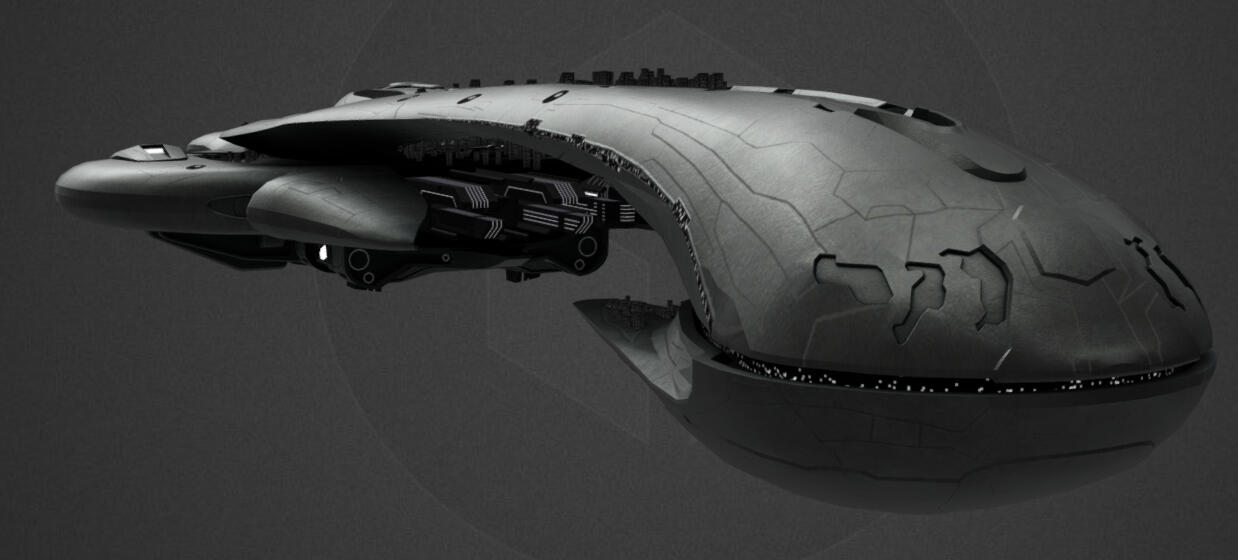

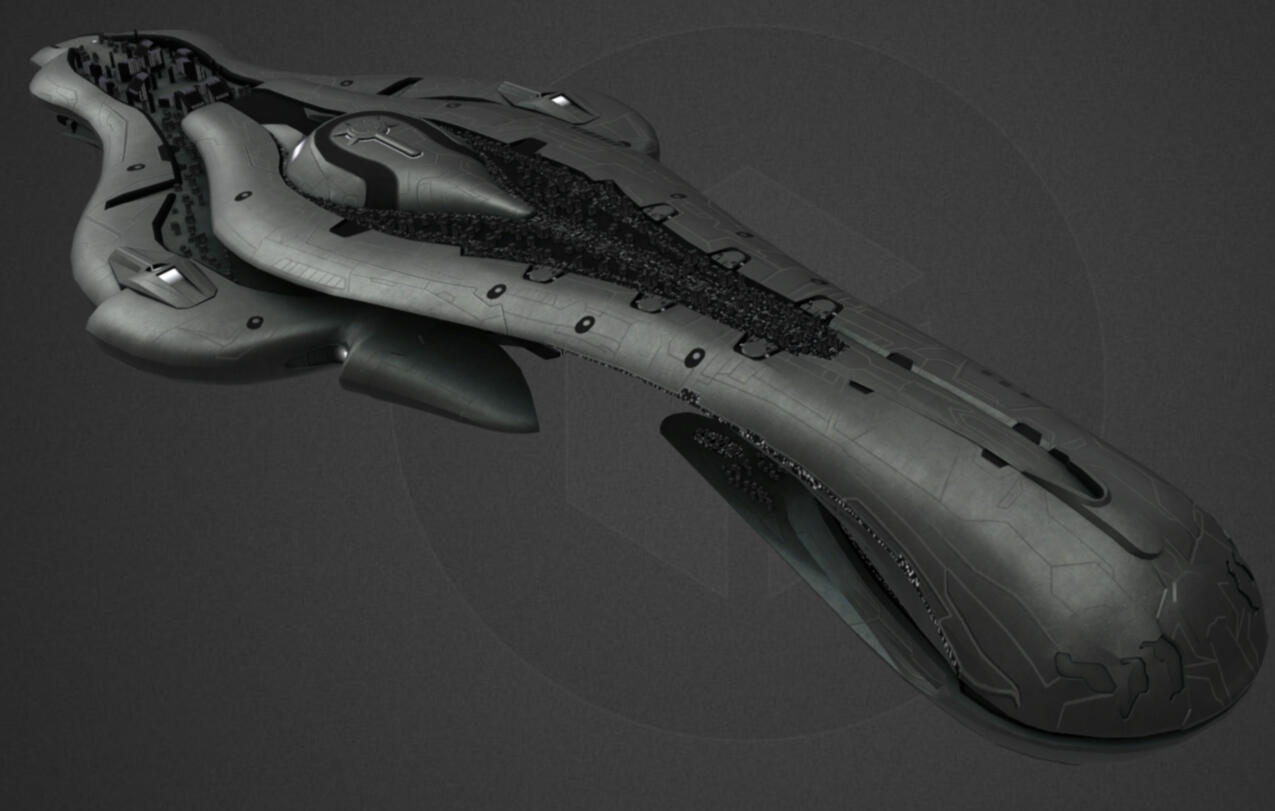
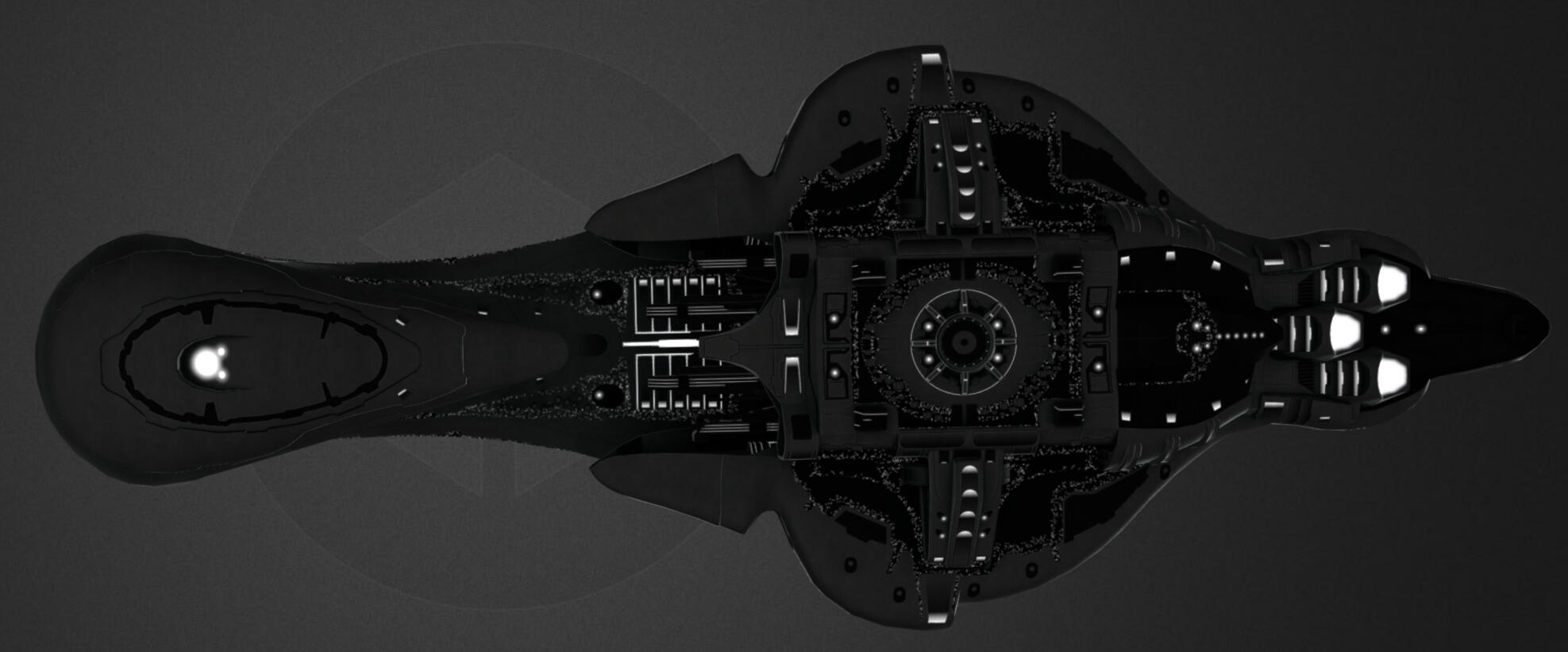
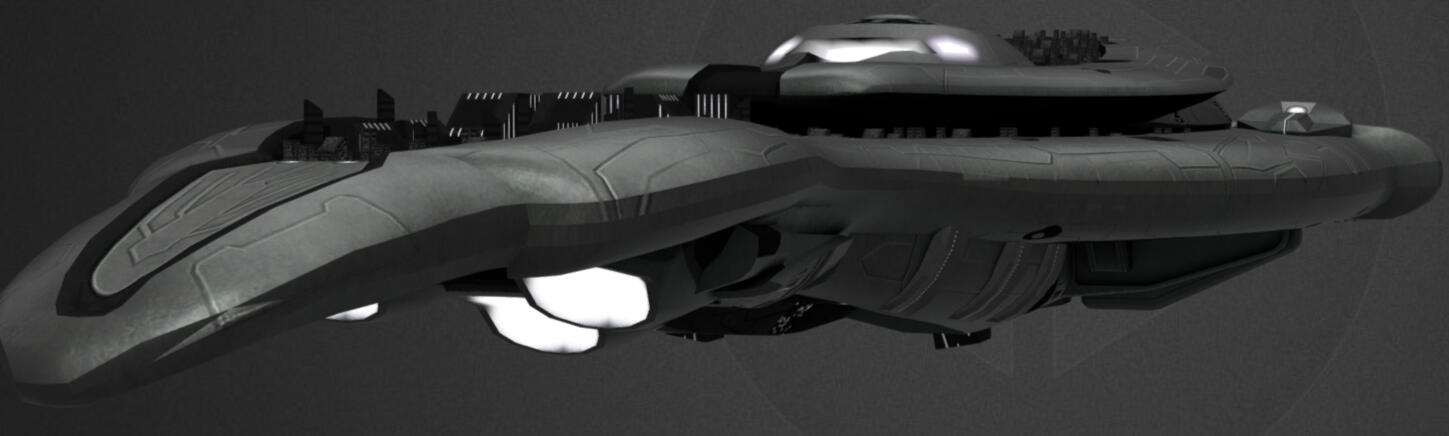
The Alatyr-Class Supercarrier measures 28,960 meters in length, 11,447 meters in width, and 3,563 meters in height, with an estimated mass exceeding 150 billion metric tons. The vast hull is accented by faint glowing energy channels that trace its contours, giving the multi-kilometer leviathan an organic yet menacing presence at the center of any fleet formation. The hull is also dotted with city like spires atop it and at various sections of the hull, allowing it house a more civilian populace when needed.Operating a vessel of this magnitude requires a minimum skeleton crew of roughly 800 automated systems handlers, engineers, and command staff to maintain basic propulsion, life support, and jump systems. Under optimal combat conditions, the Alatyr carries a full operational crew of 3,500 personnel. This includes specialized flight deck technicians, fleet intelligence coordinators, shield engineers, and gunnery crews working in tandem across its distinct command sectors.For offensive and defensive engagements, the supercarrier centers its firepower on a single Ultra-heavy particle beam emitter capable of boring through planets or bisecting capital vessels in a single beam line. This is supported by 2 super-heavy plasma lances, 8 super-heavy plasma beam arrays, 24 super-heavy plasma torpedo launch silos, and a dense perimeter grid of over 3,800 rapid-fire point-defense lasers, and 750 heavy plasma cannons. Defensively, the ship relies on multi-layered, overlapping energy shielding capable of absorbing sustained fleet-level bombardments, backed by self repairing thick armor.The Alatyr’s internal launch bays carry a vast air wing designed to secure total space superiority during orbital sieges. Its standard flight compliment includes over 10,000 strike craft, ranging from fast-attack interceptors and heavy fighters to troop transport gunships and electronic warfare escorts. The ventral hangar decks are large enough to dock, resupply, and deploy up to six fully armed Garmr-Class Frigates directly into an active battlespace.The vessel functions as a planetary conquest platform holding over 1,000,000 ground troops. This force is fully mechanized and equipped with thousands of armor units, artillery platforms, prefabricated forward operating bases, and orbital insertion dropships capable of landing entire armored divisions in a single deployment wave.
Aesir-Class Assault Carrier
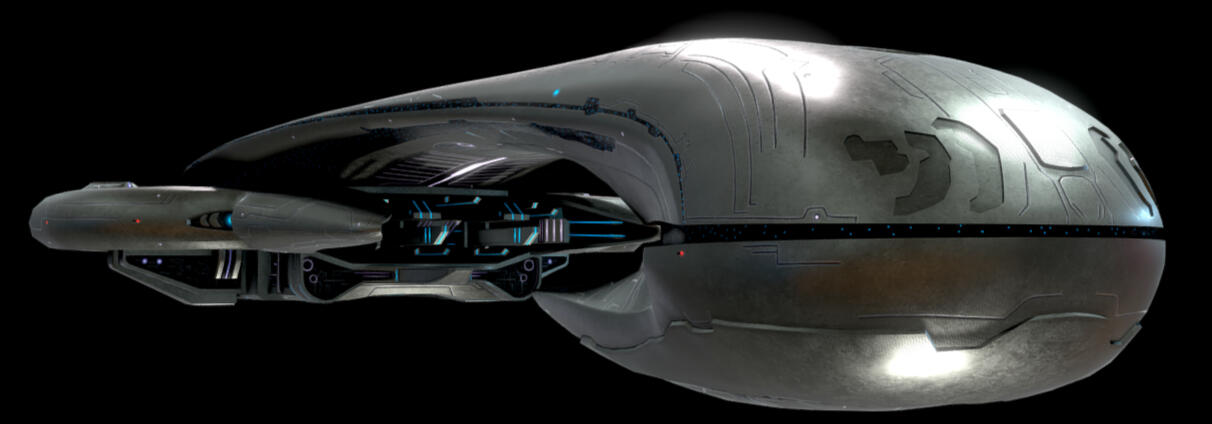

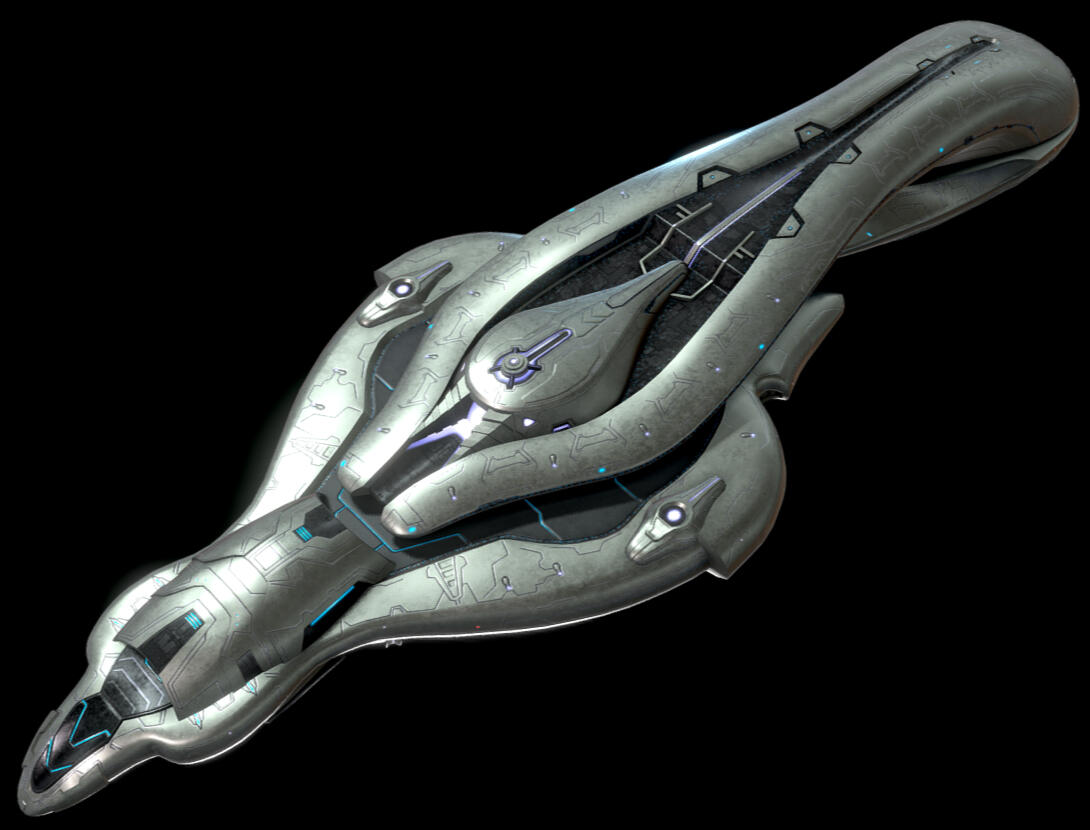
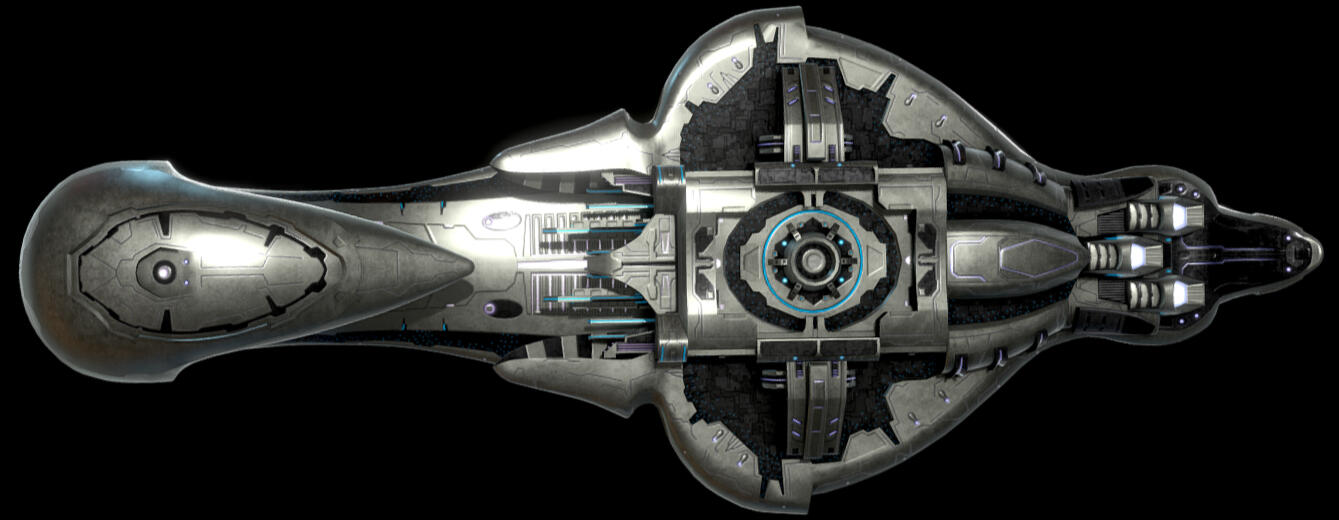
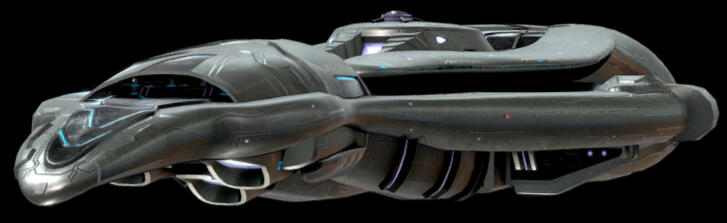
The Aesir-Class Assault Carrier measures 5,347 meters in length, 2,118 meters in width, and 700 meters in height, displacing roughly 2.7 billion metric tons. Serving as a heavy task force anchor, planetary assault flagship, and primary line-breaker, its role in fleet combat is to shatter enemy defensive formations through direct spearhead thrusts while simultaneously overwhelming orbital defenses with massed strike craft and planetary landing forces.To keep a ship of this scale operational, a skeleton crew of 150 personnel can maintain basic navigation, reactor stability, and defensive sub-systems in emergency transit scenarios. Optimal combat readiness demands a full crew compliment of 400 officers, system engineers, gunners, and flight deck operations personnel. This crew manages the complex inter-link between the carrier's primary power plants, localized gravity grids, and high-density weapon systems during prolonged combat operations.The Aesir is equipped with 1 super-heavy particle beam emitter, 2 super-heavy plasma lances, 8 heavy plasma beam emitters, 24 plasma torpedo launch silos, 150 heavy plasma cannons, 30 heavy plasma bombardment mortars, and a network of 700 automated point-defense laser turrets to interdict incoming ordnance. The ship’s defense relies on redundant energy shields engineered to absorb sustained high-yield fire, backed by several meters of self-repairing composite plating.The vessel's internal flight bays are optimized for continuous, rapid-cycle launch and recovery operations to establish immediate atmospheric and space dominance. The standard hangar deployment includes 2,500 strike craft, comprised of heavy space-superiority fighters, tactical bombers, and assault dropships. These launch bays are wide enough to allow multiple squadrons to scramble simultaneously without creating flight-deck bottlenecks during high-intensity engagements.For surface operations, the Aesir carries a dedicated ground invasion force of 250,000 troops, primarily composed of mechanized infantry, orbital drop shock units, and heavy armored assault vehicles. The lower ventral hull houses heavy-lift drop bays capable of deploying prefabricated forward bases, siege tanks, and entire armored spearheads directly into hostile landing zones under the protective umbrella of its overhead naval bombardment.
Vanir-Class Defense Carrier
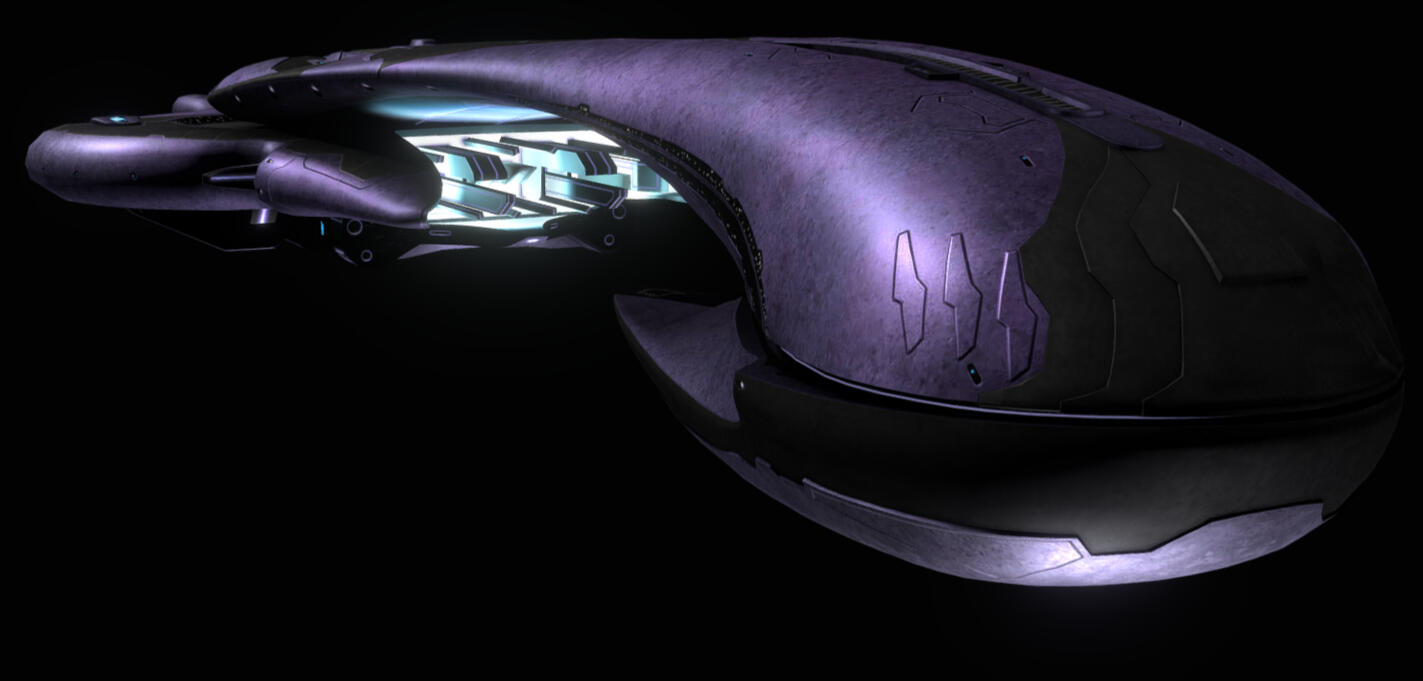
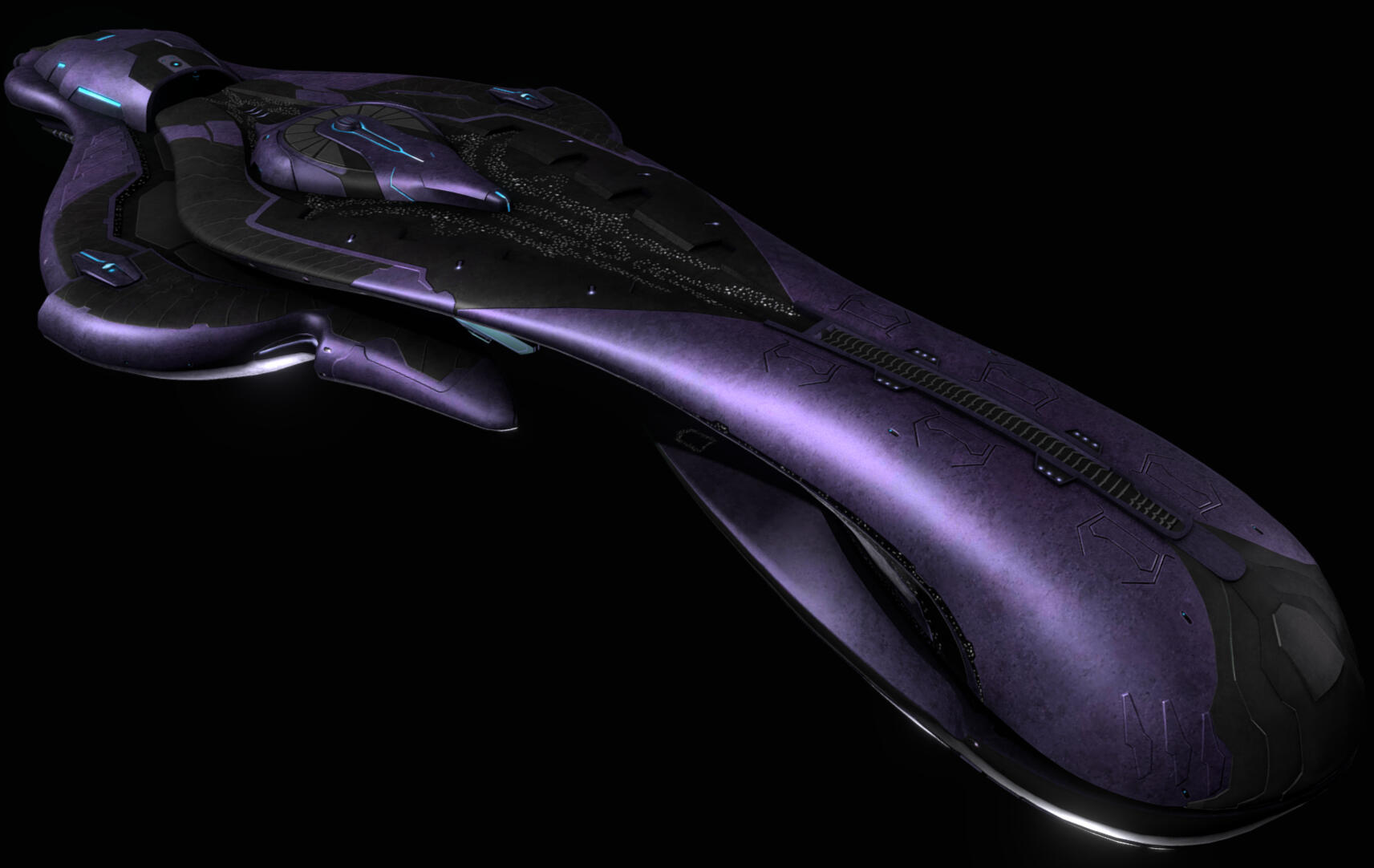

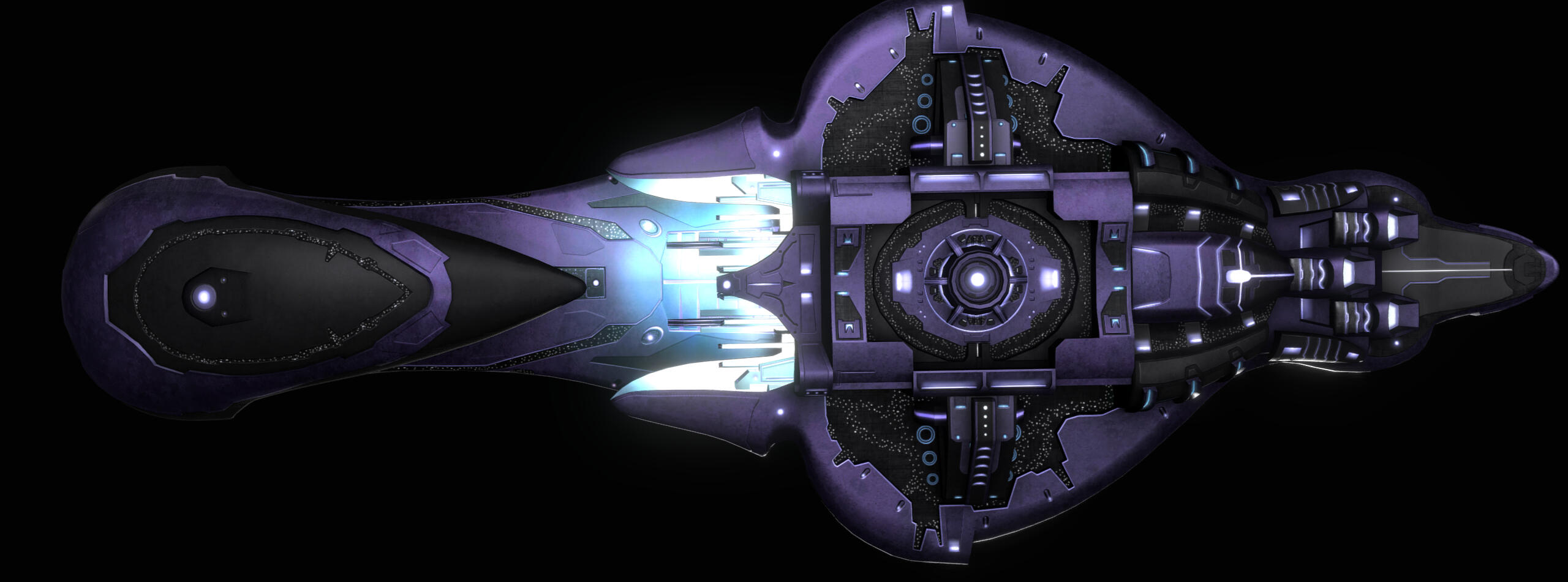
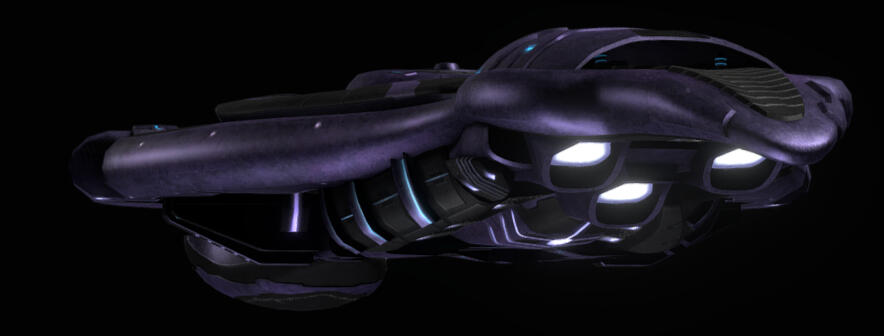
The Vanir-Class Defense Carrier shares the baseline physical frame of the heavy assault series, measuring 5,347 meters in length, 2,118 meters in width, and 700 meters in height, with a displacement of roughly 2.7 billion metric tons. In fleet combat, the Vanir is deployed as a resilient fleet shield and defensive command platform, designed to absorb heavy enemy counter-fire, anchor contested defensive nodes, and lock down key orbital zones against incoming strike forces.To maintain operational baseline functions under high stress, the vessel can run on a skeleton crew of 150 personnel to oversee basic sub-light propulsion, shield generation, and emergency containment. Under full combat conditions, its optimal crew size reaches 400 personnel, comprising specialized shield technicians, localized fleet defense coordinators, point-defense gunners, and flight-deck operations crews. This staff is trained specifically to cycle high-output defense systems and manage rapid counter-measures during sustained sieges.The ship houses super-heavy particle beam emitter, Its secondary armament consists of 2 super-heavy plasma lances, 8 heavy plasma beam emitters, 24 plasma torpedo launch silos, 150 heavy plasma cannons and a network of 700 automated point-defense laser turrets to interdict incoming ordnance. Defensively, it utilizes over-engineered, multi-layered energy shielding reinforced with active energy-dispersal grids, backed by several meters of reinforced nanolaminate armor.Its standard air wing compliment consists of 2,500 strike craft, favoring fast-attack interceptors, point-defense escort fighters, and specialized electronic warfare gunships.While configured primarily for fleet defense, the ship retains a substantial defensive ground compliment of 250,000 troops. This force is heavily weighted toward counter-assault units, combat engineers, automated perimeter defense batteries, and rapid-response shock infantry. In siege scenarios, these troops are trained to deploy to orbital stations or planetary strongpoints to bolster surface fortifications and repel enemy boarding or planetary incursions.
Fafnir-Class Supercruiser
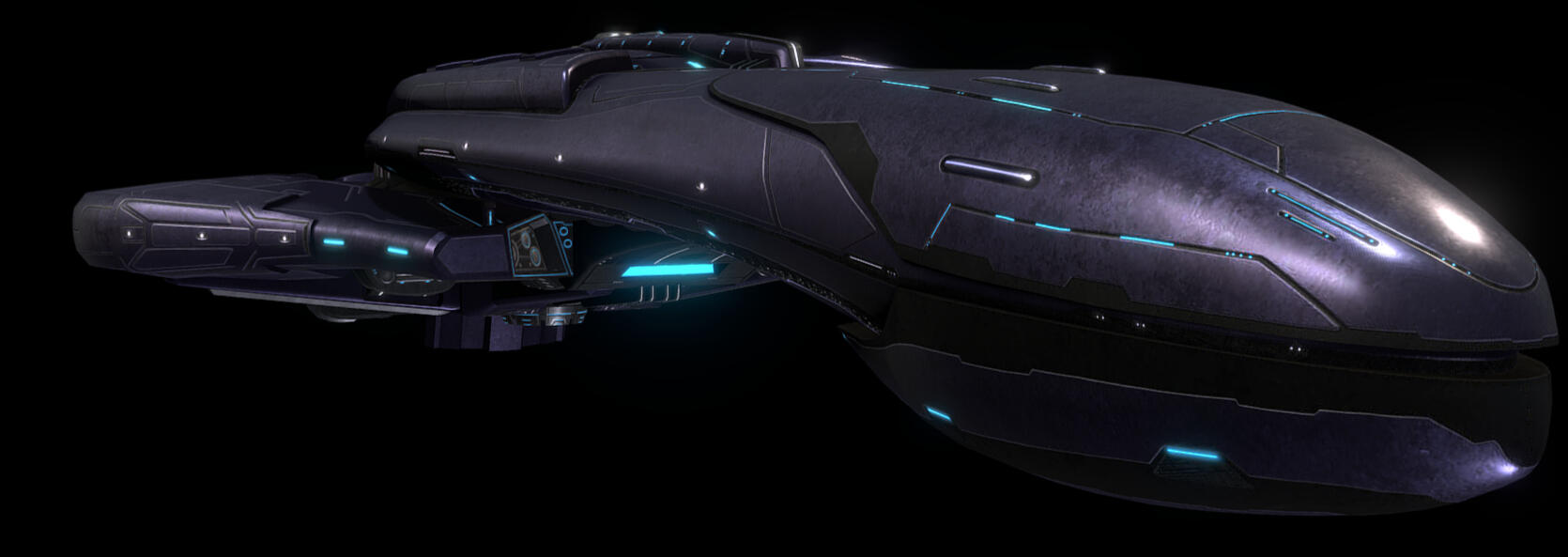

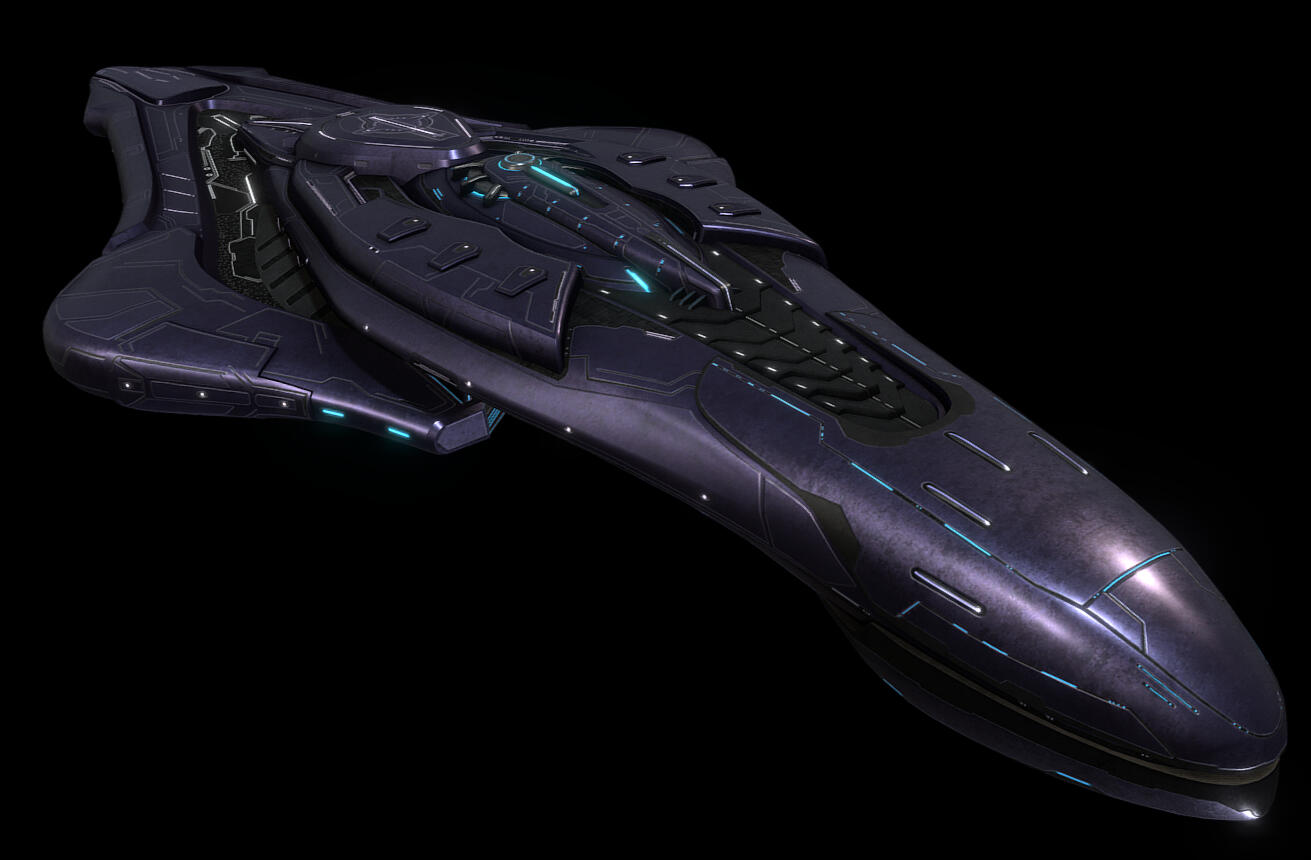
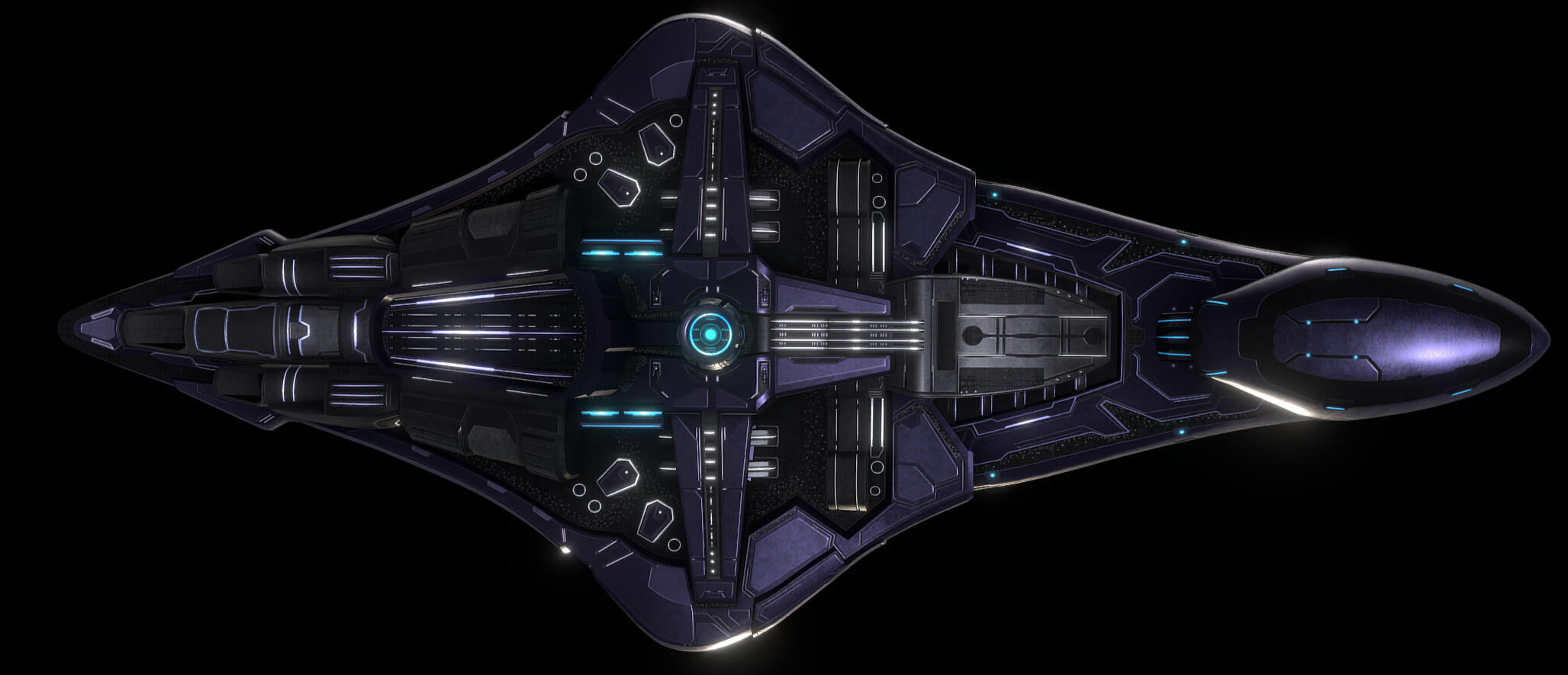
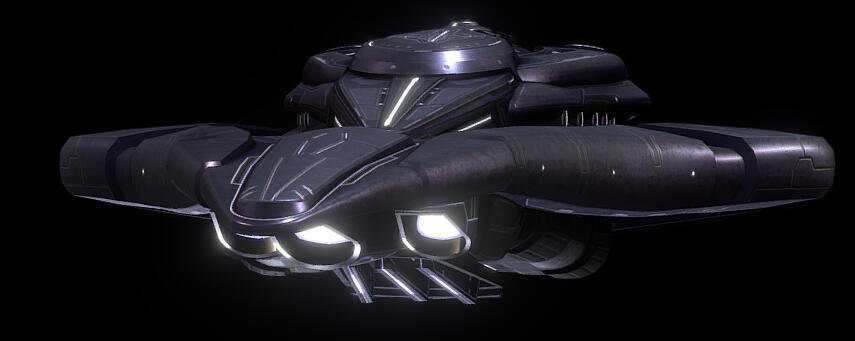
The Fafnir-Class Super Cruiser measures 3,576 meters in length, 1,579 meters in width, and 494.4 meters in height, displacing roughly 272 million metric tons. In fleet doctrine, the Fafnir is built strictly as a long-range fleet sniper and high-value target killer, positioned at the rear or flanks of a task force to punch through enemy super-capital shielding and obliterate command ships before they can enter standard engagement range.The Fafnir operates at peak combat efficiency with a required crew of 490 officers, system engineers, and gunnery directors. A bare-minimum skeleton crew of under 100 personnel can easily maintain basic sub-light propulsion and reactor loops during emergency transit, as the ship's automation handles power balancing and structural containment.The ship's primary offense centers entirely around a top-mounted superlaser configured as an extreme-range axial lance capable of piercing multiple capital ships across a star system in a single beam line. This is supported by 5 heavy plasma beam emitters, 8 plasma torpedo silos, and a network of 150 point-defense laser turrets. Defensive measures prioritize multi-layered directional forcefields focused on protecting the superlaser, backed by a nanolaminate composite shell.Because the vessel is engineered purely as a dedicated sniper platform rather than a carrier, its internal hangar facilities are scaled back to support basic point-defense screens. Its flight craft complement is restricted to a tight screen of 120 strike craft, composed entirely of high-speed interceptors and electronic countermeasure escorts meant to swat away hostile torpedoes or bomber runs attempting to flank its sniping position.The Fafnir completely eschews planetary invasion capabilities, maintaining a minimal complement of just 800 security personnel. This contingent is strictly assigned to internal ship security, vital subsystem protection, and counter-boarding operations to safeguard the high-value superlaser targeting suites against enemy infiltration teams.
Svarog-Class Battlecarrier
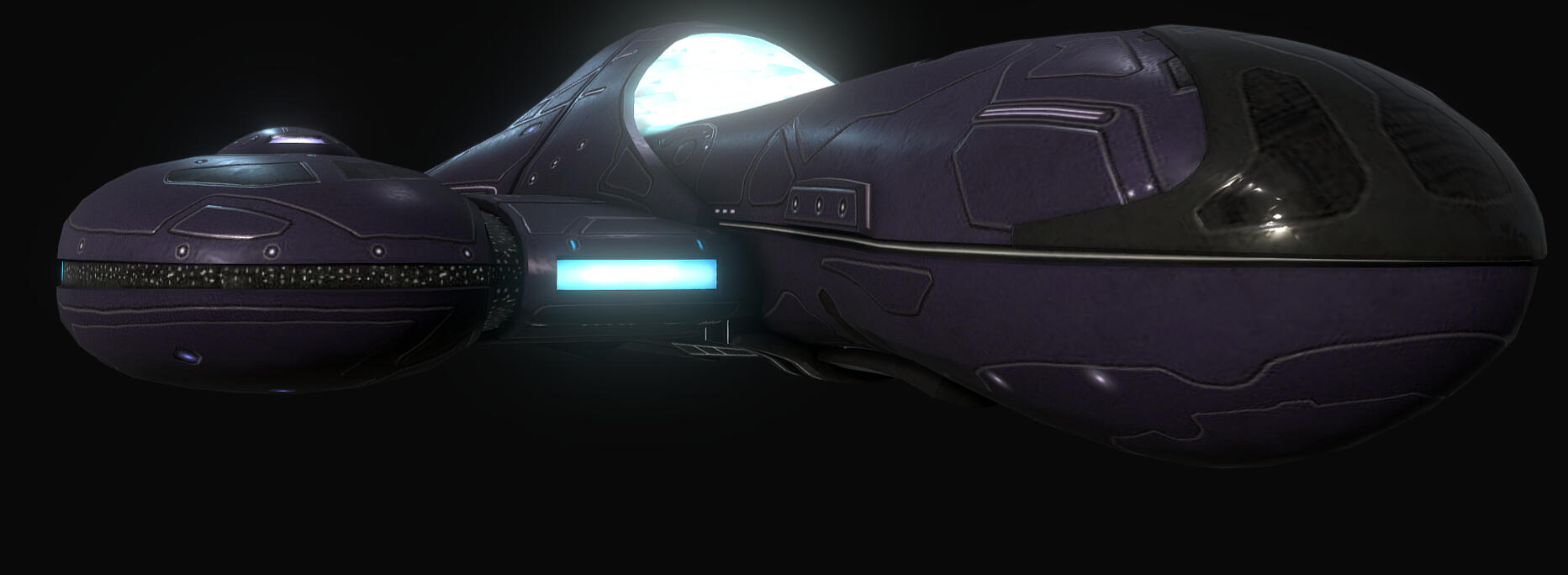

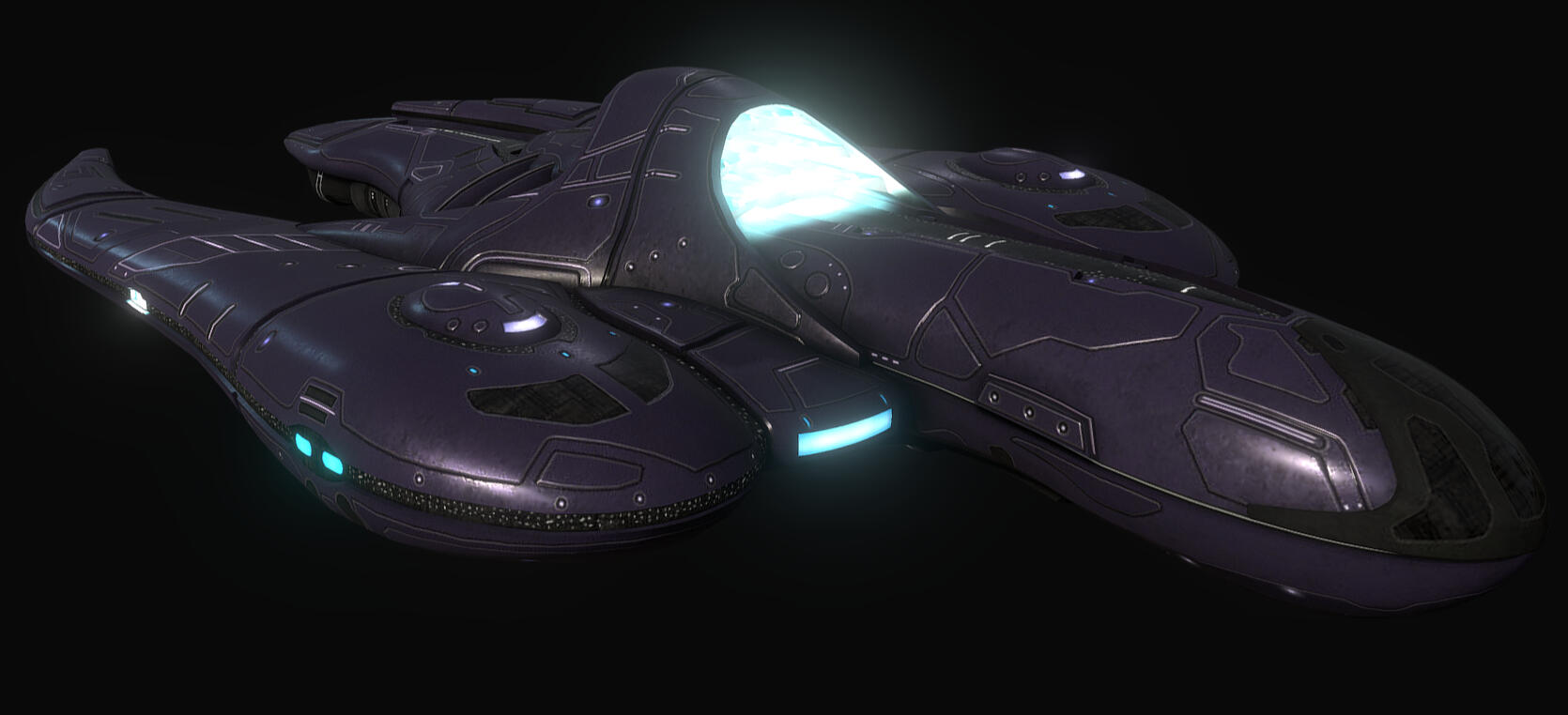
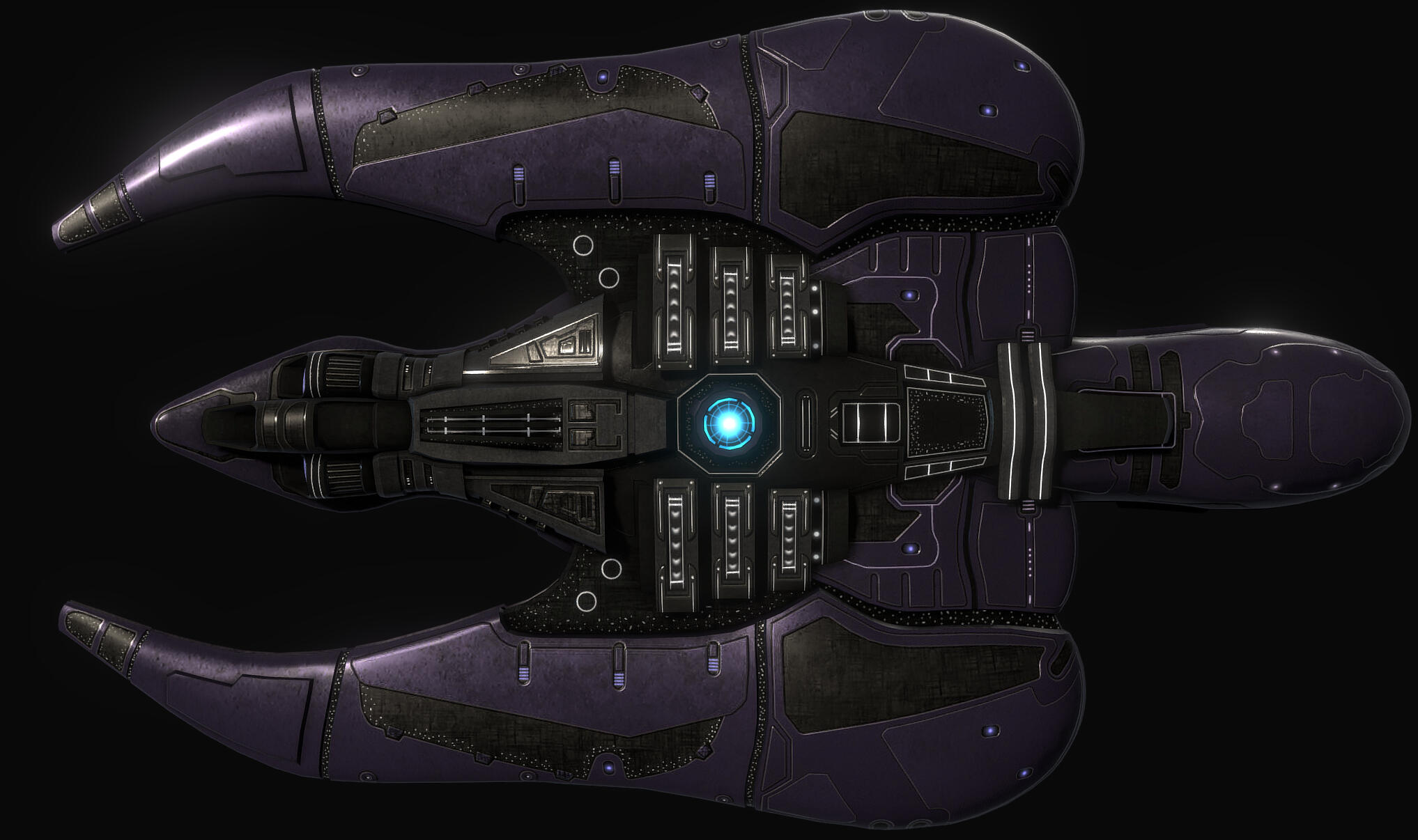
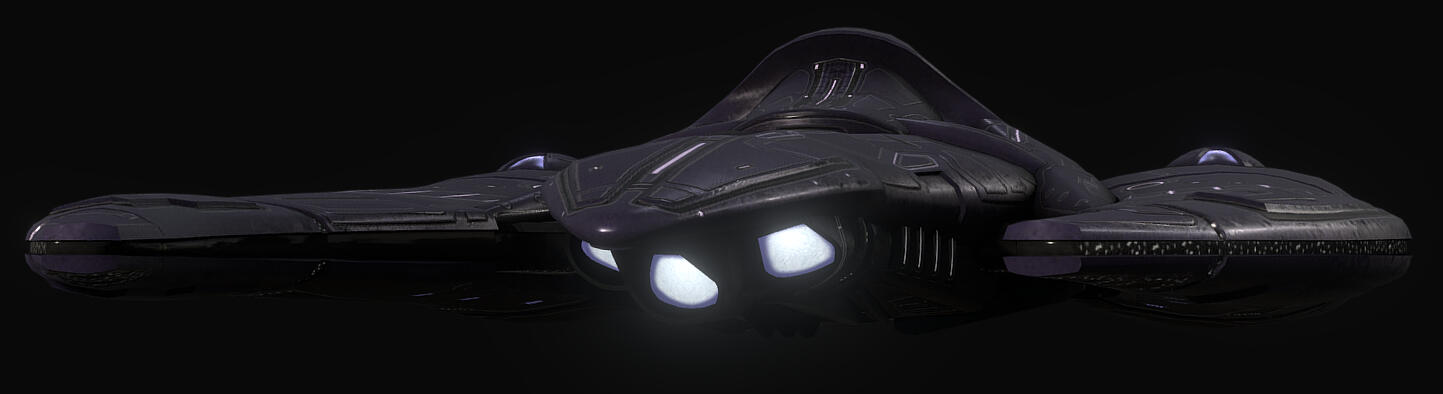
The Svarog-Class Battlecarrier measures 4,000 meters in length, 2,383 meters in width, and 646 meters in height, displacing roughly 924 million metric tons. Named after the Slavic celestial smith and forge-god, its role in fleet combat is that of an aggressive strike carrier and frontline insertion vessel, bridging the gap between heavy long-range carrier platforms and high-yield fleet combatants by charging directly into battle zones to force immediate orbital breaches.The vessel has an optimal crew of 350 officers, tech-engineers, and flight operations coordinators. A skeleton crew of under 80 personnel can maintain basic sub-light maneuvers, local shields, and power distribution during long-distance transit or non-combat positioning.The vessel is equipped with 1 heavy particle beam emitter, 20 plasma torpedo silos, 10 super-heavy plasma cannons, and 96 plasma cannons. Its defense network against strike craft and incoming ordnance consists of 32 heavy pulse lasers, 32 super-heavy pulse laser turrets, and 380 automated pulse laser turrets.Built as a hybrid combatant and strike carrier, the Svarog houses an internal air wing optimized for immediate planetary air superiority and close-support bombing runs. Its flight craft complement totals 2,000 vessels, heavy on fast-attack fighters, orbital gunships, and specialized troop transport dropships capable of clearing drop zones under active fire.For planetary invasions and beachhead operations, the battlecarrier houses a dedicated ground assault force of 100,000 troops. This force includes heavy mechanized units, armored transport vehicles, and combat engineering corps designed to establish fortified drop zones and rapidly construct forward operating bases within hours of landing.
Ships of the Line
Rarog-Class Light Carrier
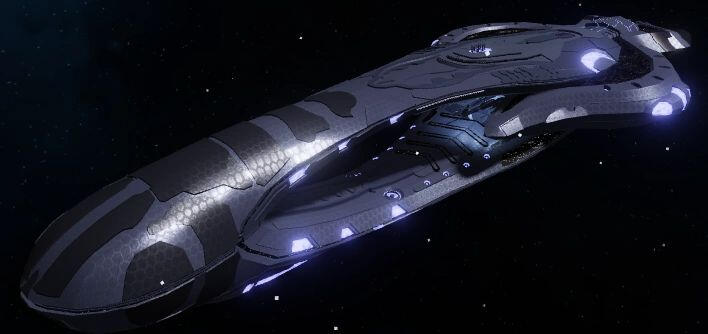
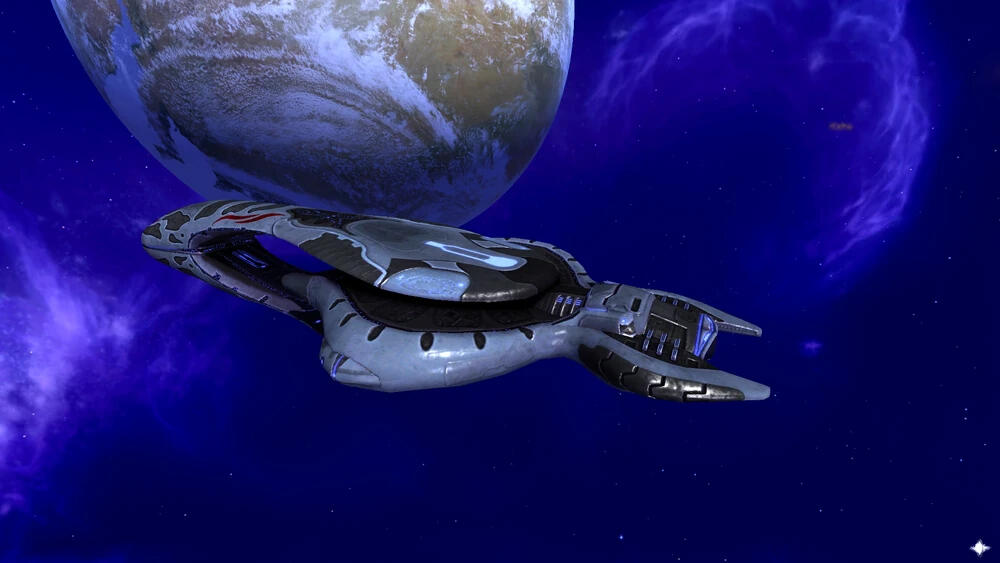
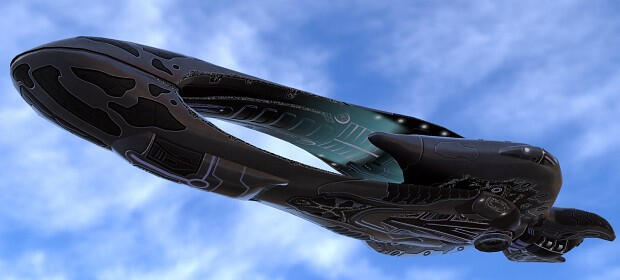
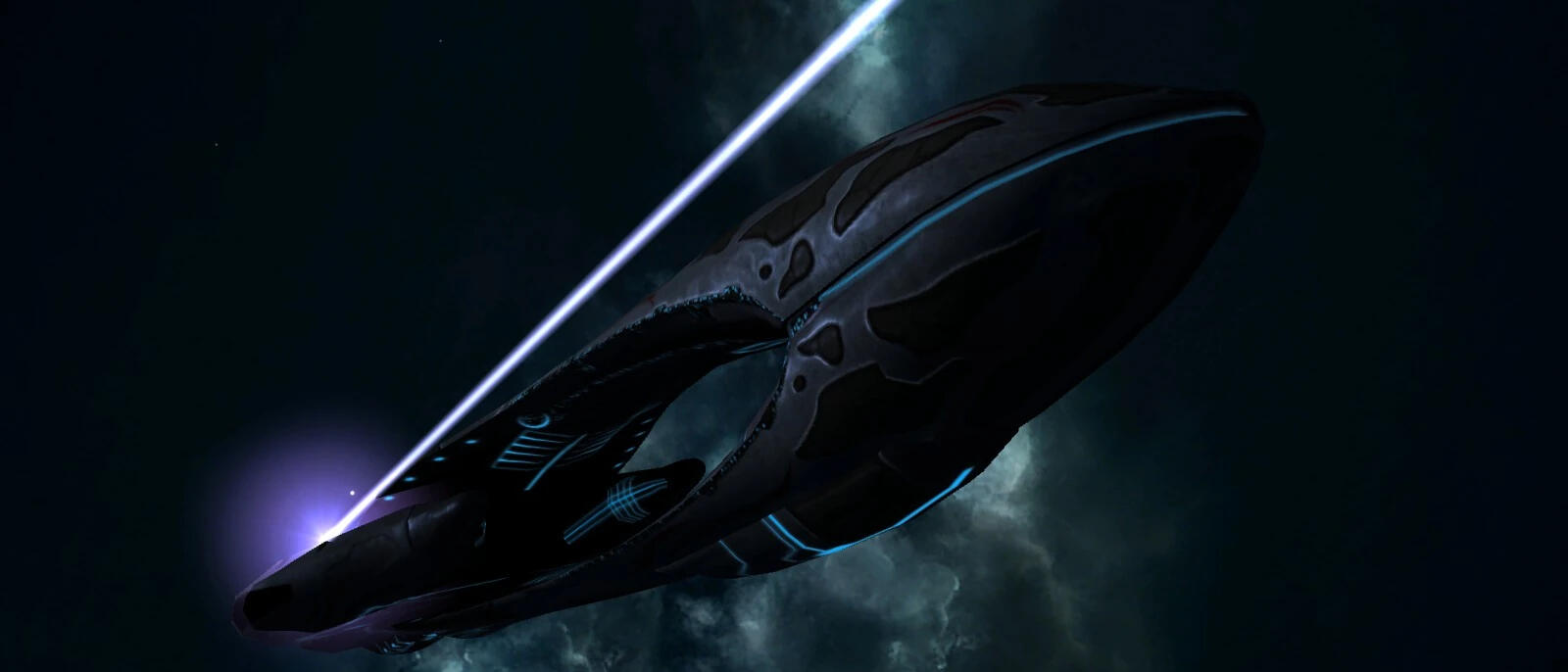
The Rarog-Class Light Carrier measures 3,000 meters in length, 1,186 meters in width, and displaces 272 million metric tons. Named after the fiery falcon and storm spirit of Slavic myth, the vessel serves as the fleet’s agile staging asset, filling the operational space beneath the heavier Svarog-Class by conducting rapid flank insertions, orbital carrier escorts, and targeted drop operations without requiring the raw mass or heavy frontline presence of a full battlecarrier.Integrated automation grids manage flight-deck traffic, internal ordnance transfers, and reactor distribution, allowing the light carrier to maintain peak operational readiness with a streamlined crew of 300 personnel. Under minimal transit conditions, a skeleton crew of fewer than 75 can maintain sub-light propulsion, primary defense shielding, and local flight-deck logistics.The Rarog mounts a potent offensive array with 2 heavy plasma lances, 7 plasma cannons, and 8 plasma torpedo silos for heavy anti-ship salvos. Its anti-strike craft defense grid uses 75 automated pulse laser turrets arranged to provide dense coverage over its flight corridors and engine nacelles.Built strictly to project localized air superiority and project planetary force, the carrier houses a dedicated air wing of 1,200 craft, heavily prioritizing interceptors, multi-role fighters, and rapid-insertion dropships. For planetary surface operations, the vessel carries a ground force of 50,000 troops along with mechanized transports and forward engineering equipment to secure drop zones and reinforce established beachheads.
Perun-Class Heavy Cruiser
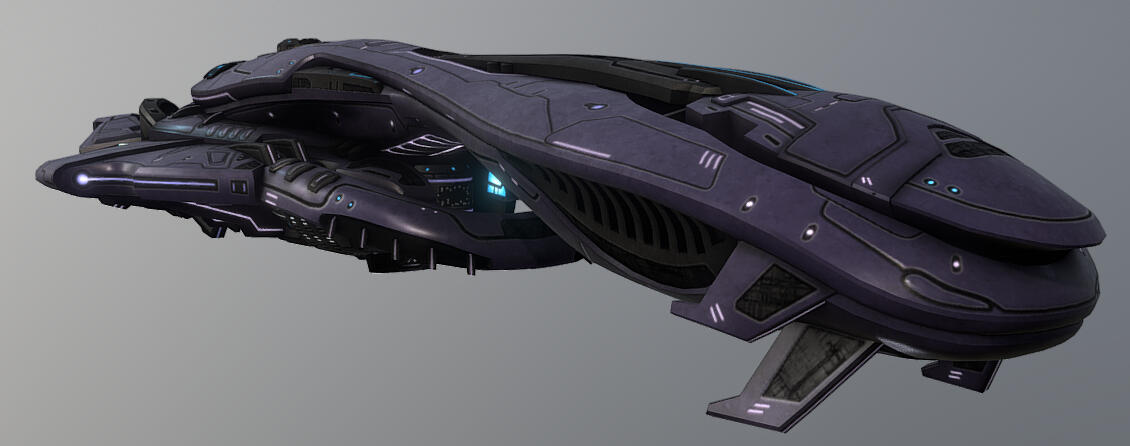

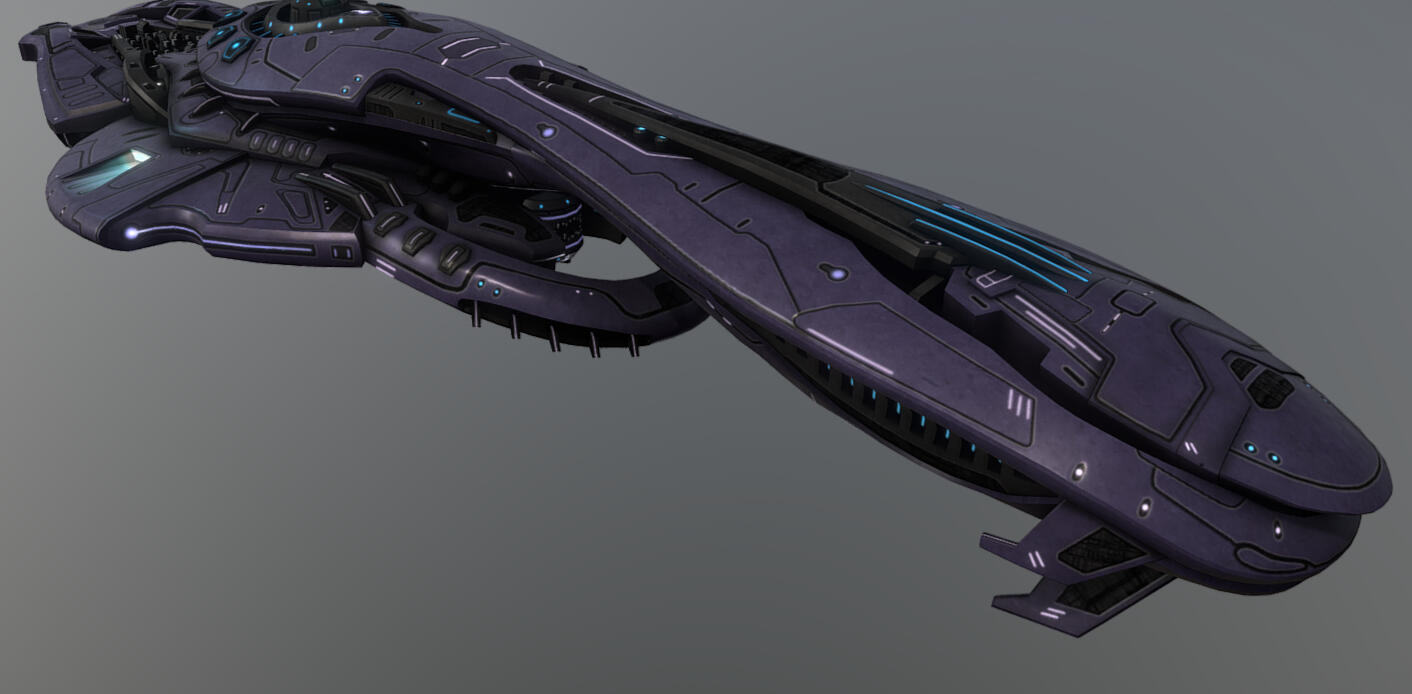
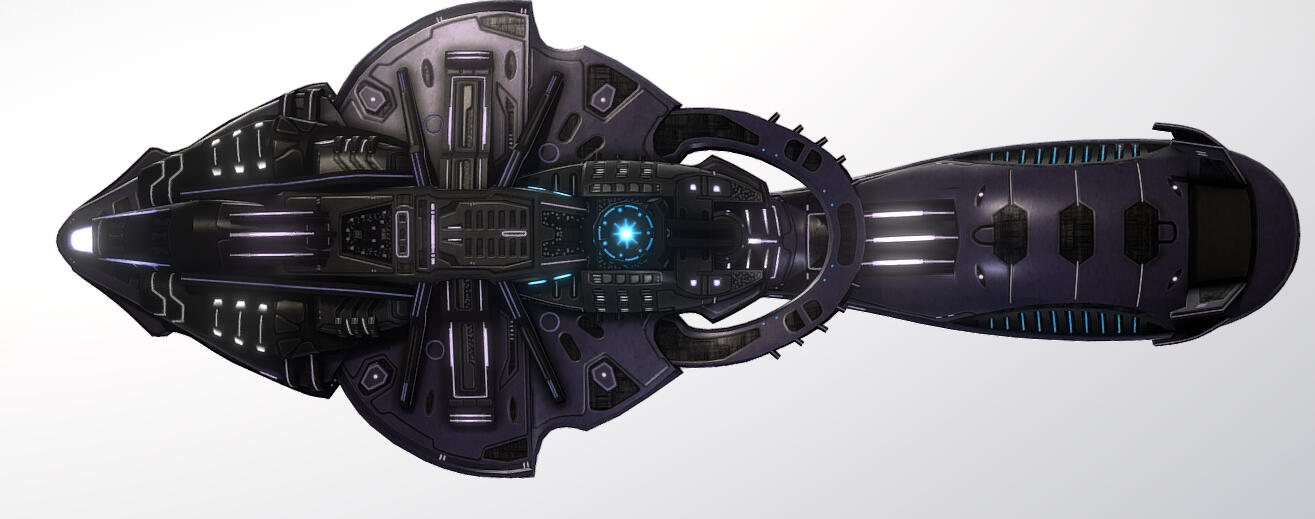
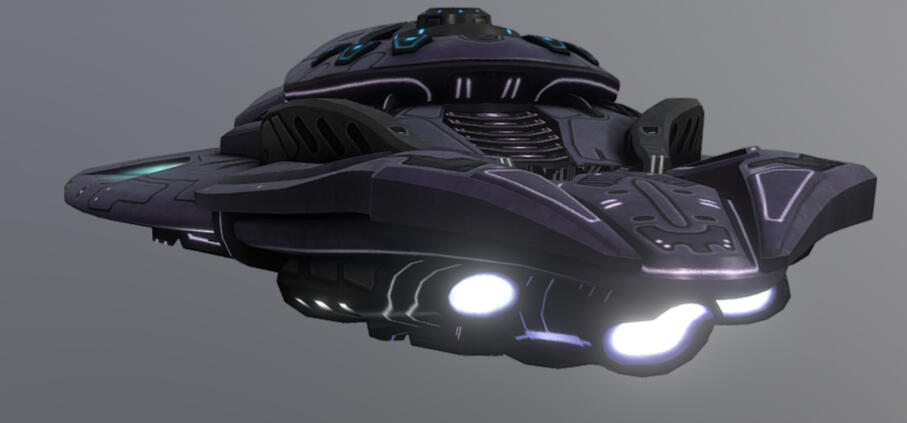
The Perun-Class Heavy Cruiser measures 3,000 meters in length, 1,451 meters in width, and 509 meters in height, displacing roughly 200 million metric tons. Named after the Slavic god of war, thunder, and lightning, its role in fleet combat is that of an aggressive line-breaker, task-force flagship, and orbital bombardment engine, engineered to lead spearhead thrusts, shatter frontline enemy screens, and punch directly through capital defenses.Thanks to advanced vessel automation, the Perun operates at peak combat efficiency with an optimal crew of 250 officers, systems engineers, and gunnery commanders. Emergency maneuvers and basic sub-light navigation require a skeleton crew of fewer than 50 personnel.The vessel is armed with 1 particle beam emitter, 1 super-heavy plasma lance, 3 plasma beam emitters, 48 heavy plasma cannons, 16 plasma torpedo silos for long-range target tracking, and 16 plasma bombardment mortars dedicated to devastating planetary surface positions. Point defense and anti-fighter screen duties are handled by 80 rapid-fire pulse lasers, all backed by multi-layered, fast-recharging directional energy shielding and thick, heat-dissipating nanolaminate plating.The ship's internal hangar capacity is configured primarily for offensive screening and rapid orbital insertion support. Its flight craft complement consists of 600 strike craft, including fast-attack interceptors, space-superiority fighters, and heavy assault dropships meant to clear surrounding airspace and cover incoming assault pods.For surface invasions and target neutralization, the Perun carries a dedicated ground complement of 25,000 troops. This strike force is largely composed of heavy mechanized infantry, drop shock units, and siege armor crews outfitted to drop directly into contested combat zones, consolidate beachheads, and destroy key defensive installations.
Veles-Class Battlecruiser
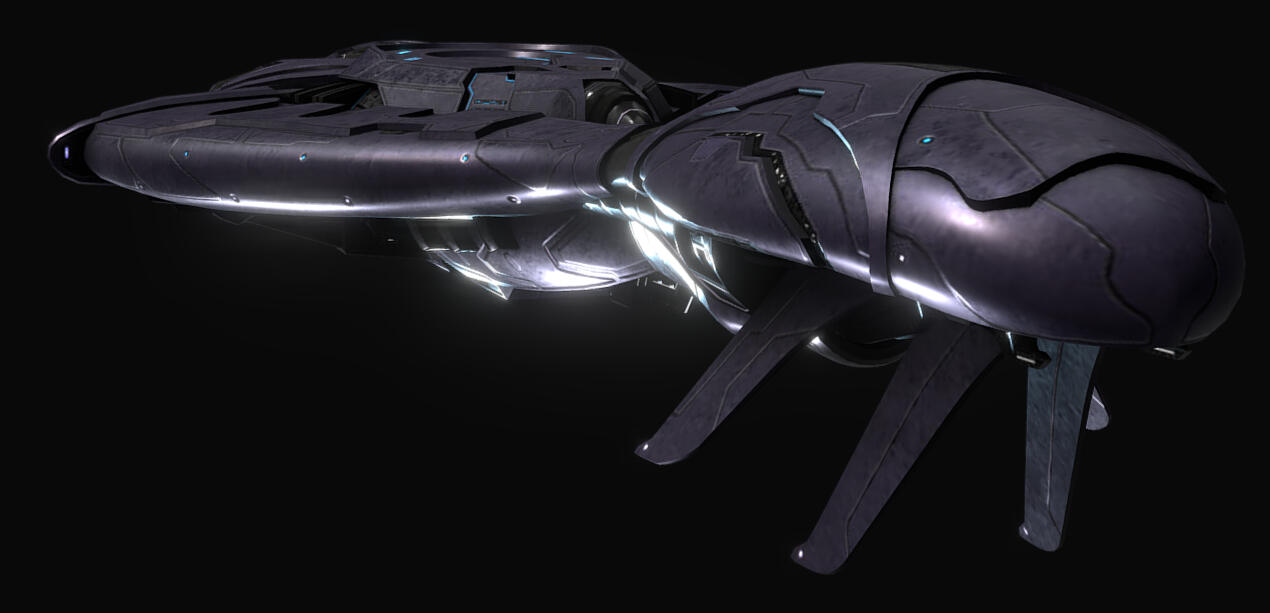
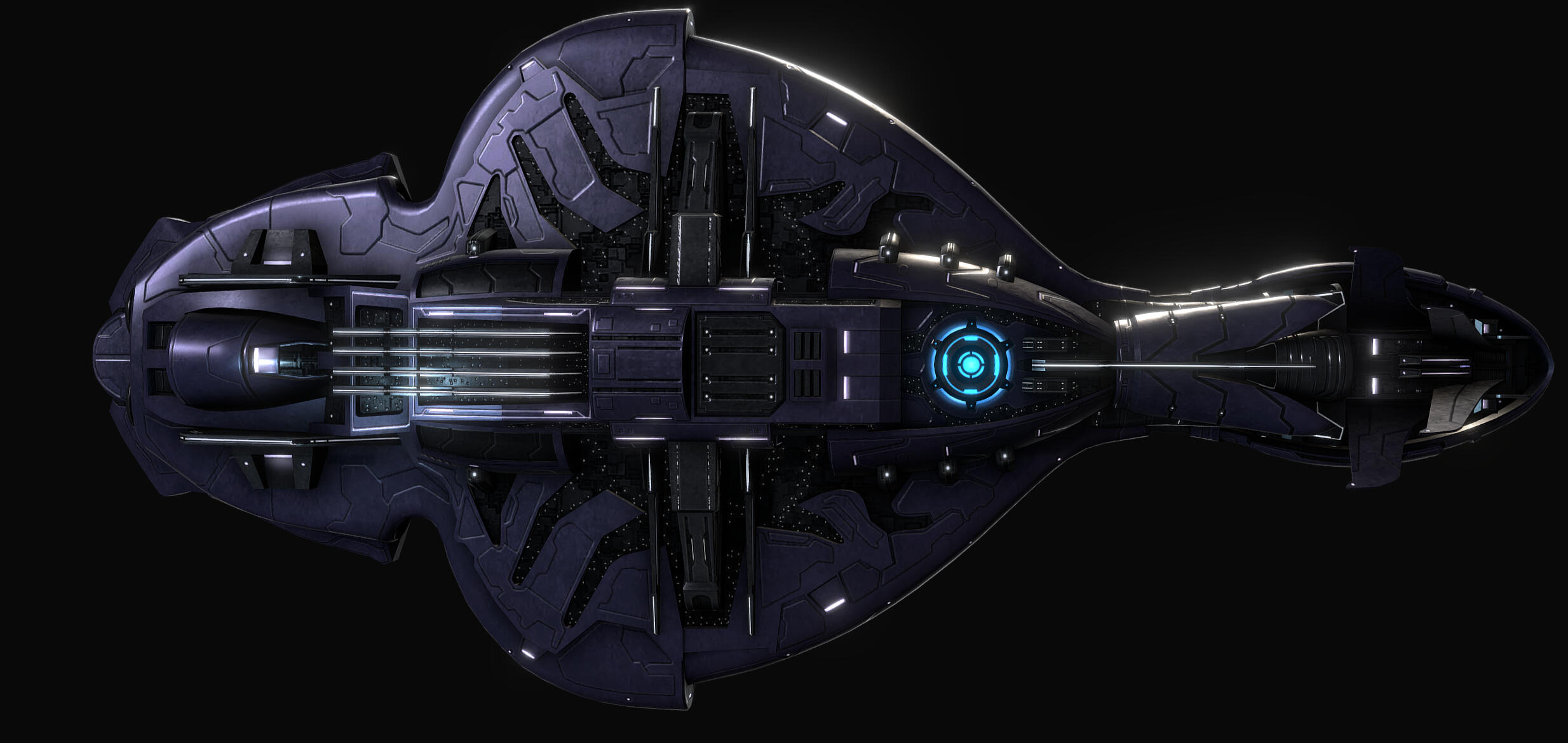

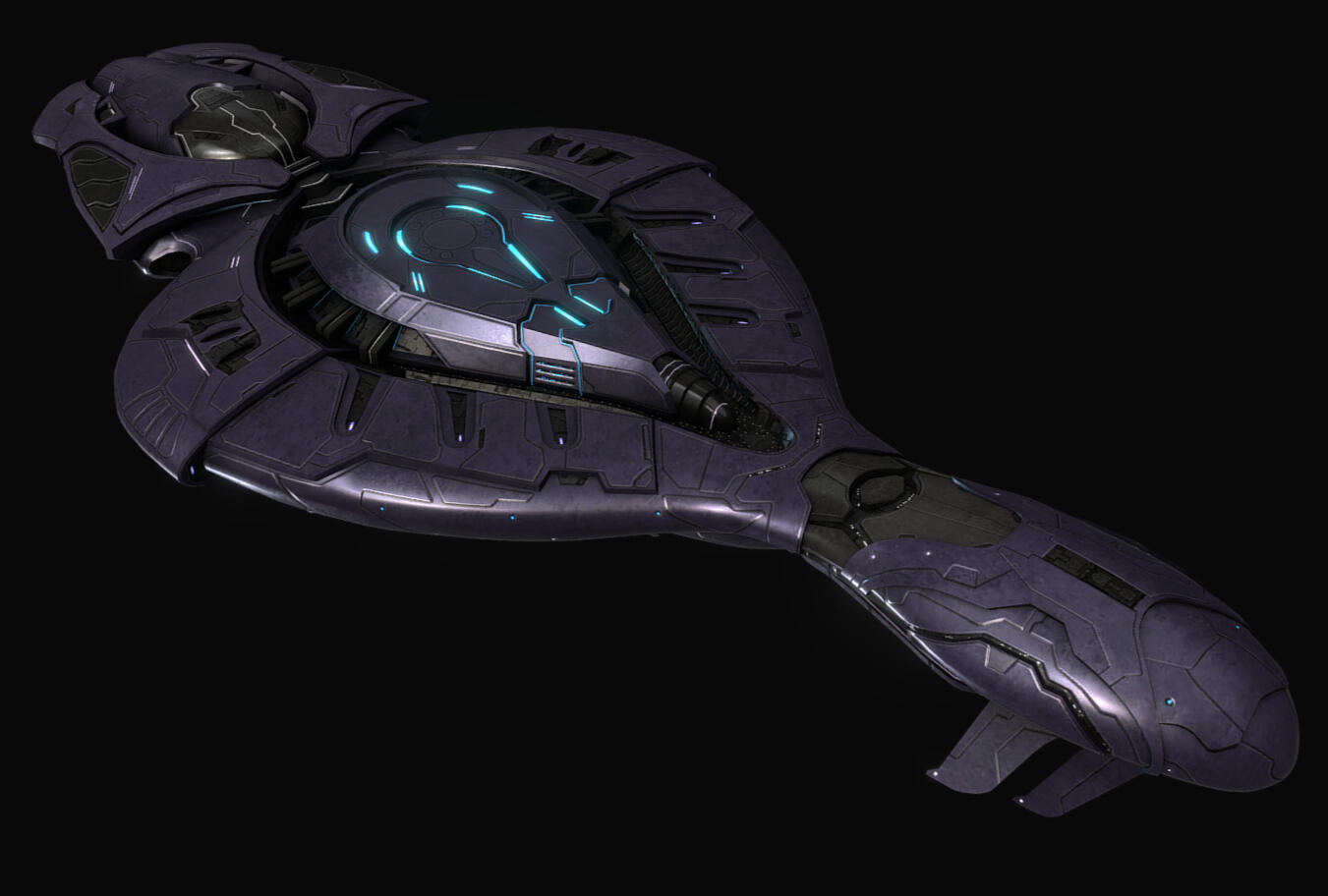
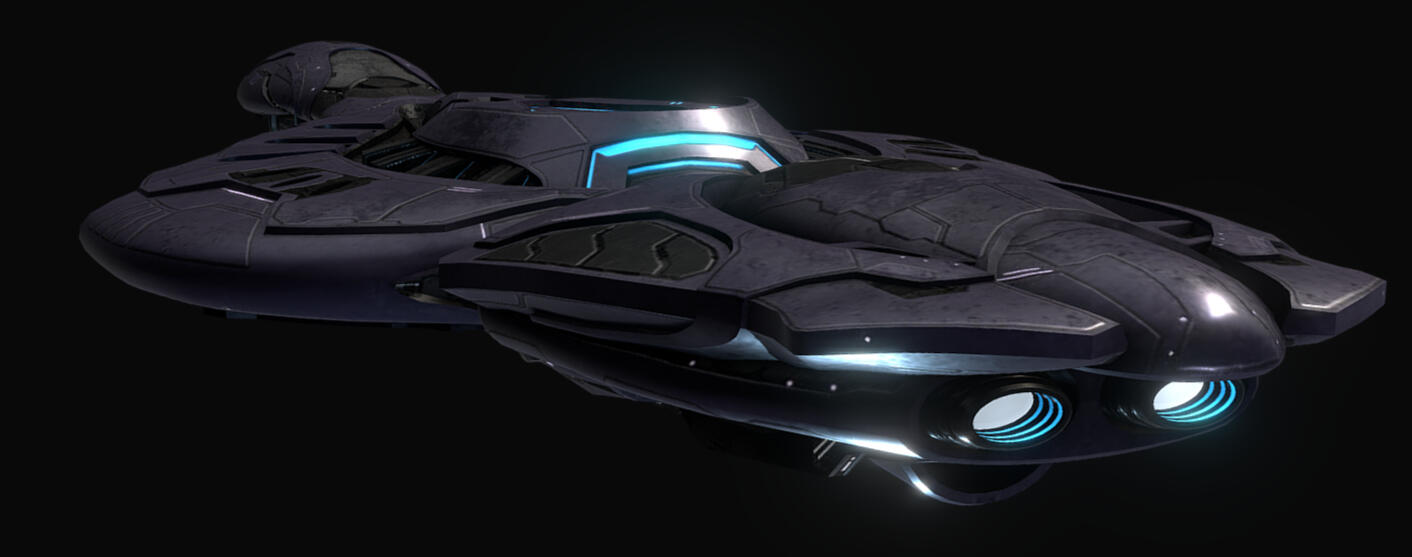
The Veles-Class Battlecruiser measures 1,782 meters in length, 862 meters in width, and 230 meters in height, displacing roughly 90.7 million metric tons. Named after the Slavic lord of waters and the underworld, its role in fleet combat is that of the workhorse line battlecruiser and backbone ship-of-the-line, designed to execute precision orbital glassing operations, lead smaller task force elements, and form the primary firing line in fleet-scale fleet engagements.The Veles operates at peak combat readiness with a crew of 200 officers, bridge commanders, and flight operations handlers. A bare skeleton crew of fewer than 40 personnel can navigate the vessel, manage sub-light propulsion, and maintain reactor balance during non-combat transits or routine patrols.Its offensive suite consists of 1 heavy particle beam emitter, 2 plasma lances, 16 plasma torpedo silos, and 42 plasma cannons. Point-defense perimeter coverage is maintained by 100 rapid-fire pulse lasers, while defense relies on strong, fast-cycling energy forcefields backed by several meters of composite nanolaminate armor.The internal hangar bays of the Veles are optimized for rapid deployment and strike operations, housing an air wing of 300 craft. This complement includes fast-attack space-superiority fighters, point-defense interceptors, and tactical troop dropships, allowing the battlecruiser to establish localized airspace control without relying on dedicated carrier support.For surface deployments and planetary control, the Veles carries a dedicated invasion ground contingent of 10,000 troops. Made up of mechanized infantry units, orbital insertion shock troops, and light armor vehicles, this force is capable of launching swift planetary raids, seizing critical ground infrastructure, or securing dropsites for larger follow-up invasion fleets.
Chernobog-Class Destroyer
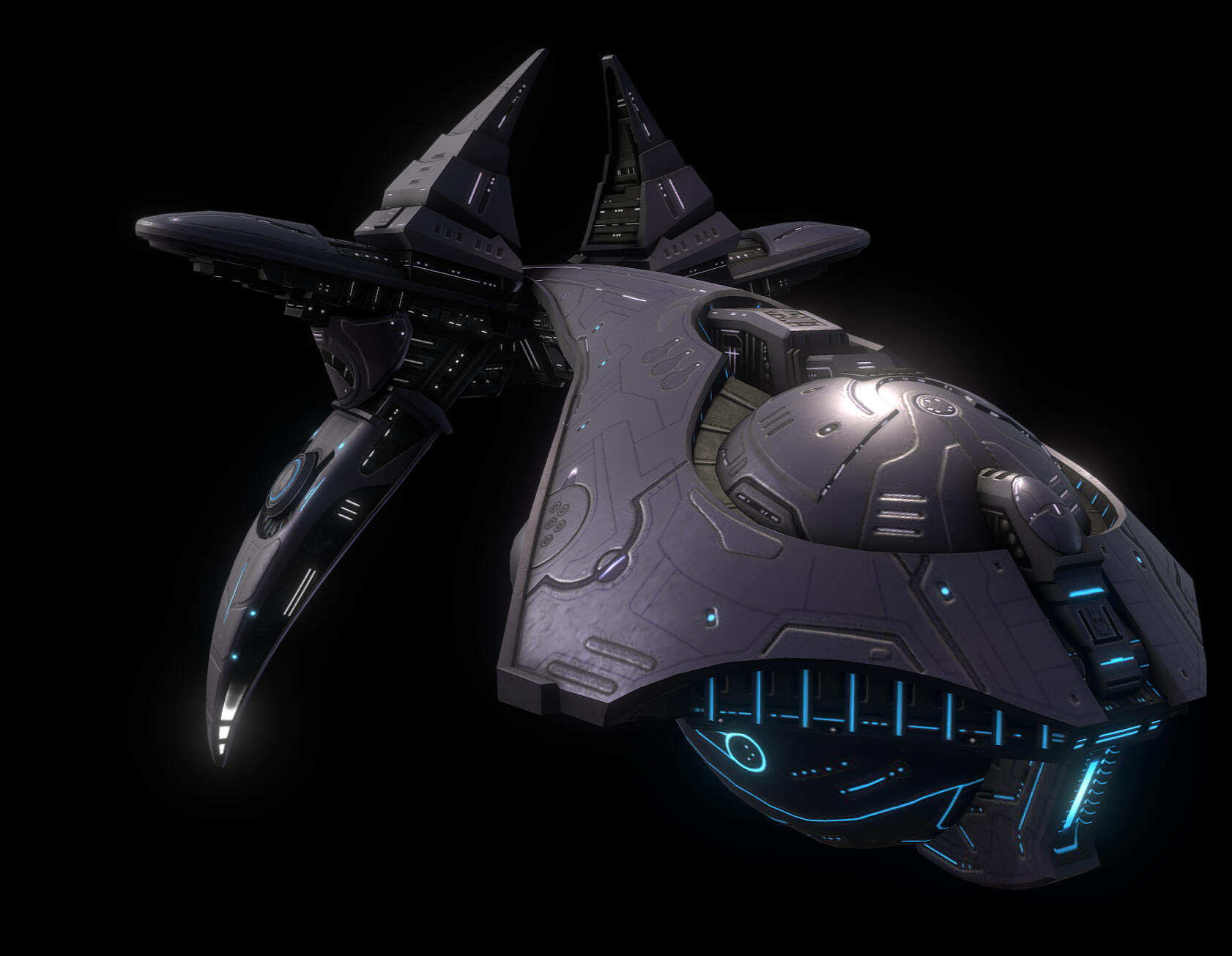
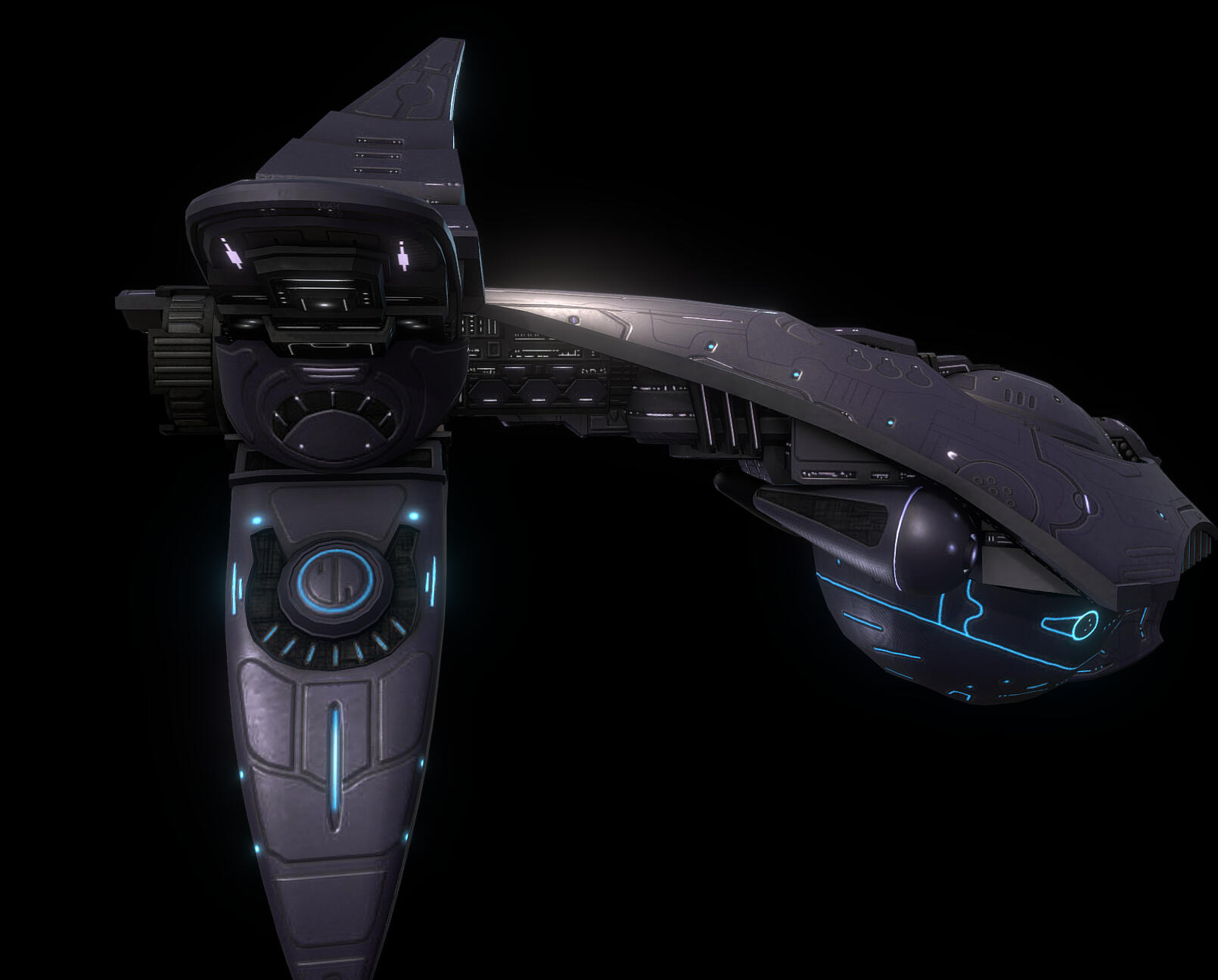
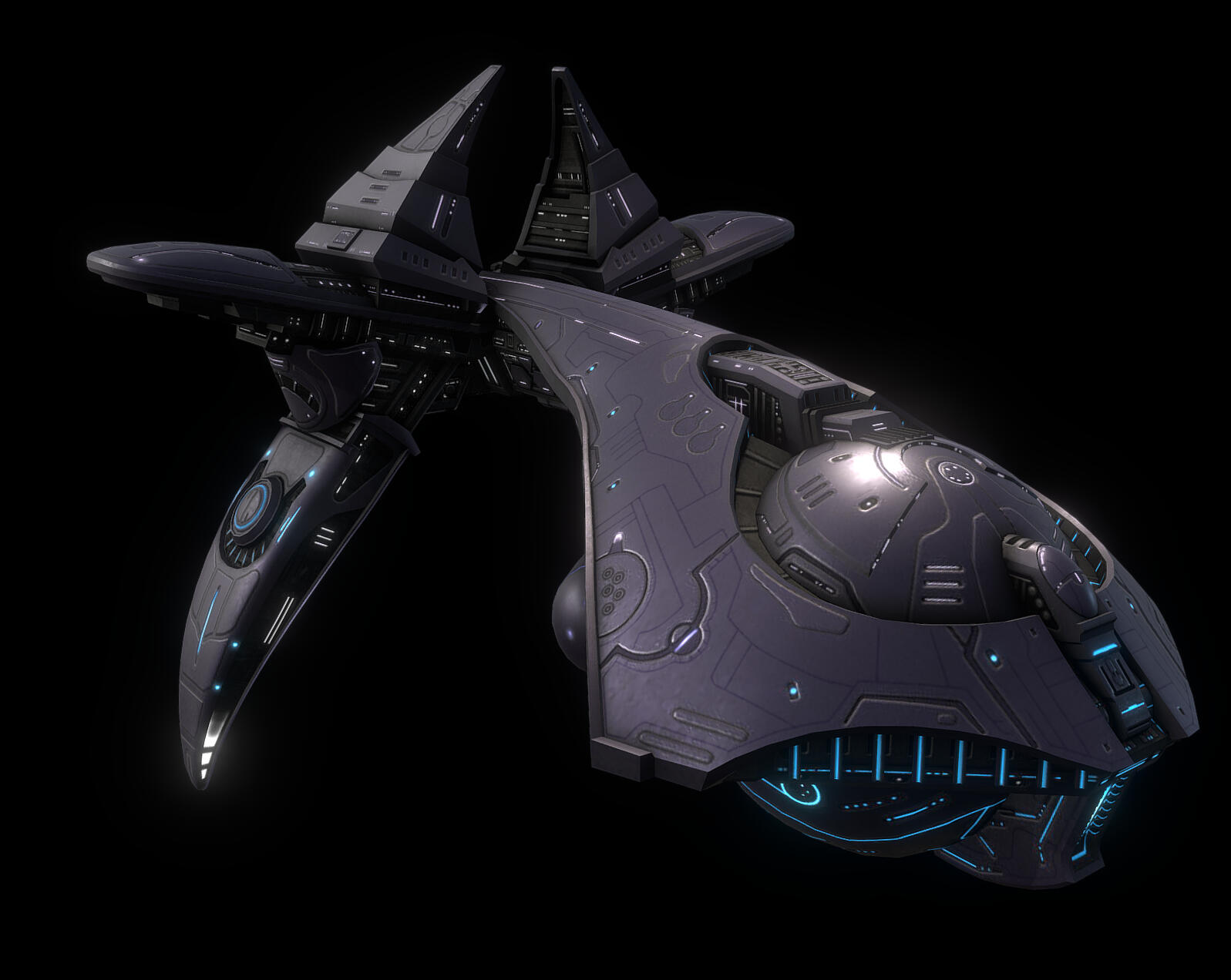
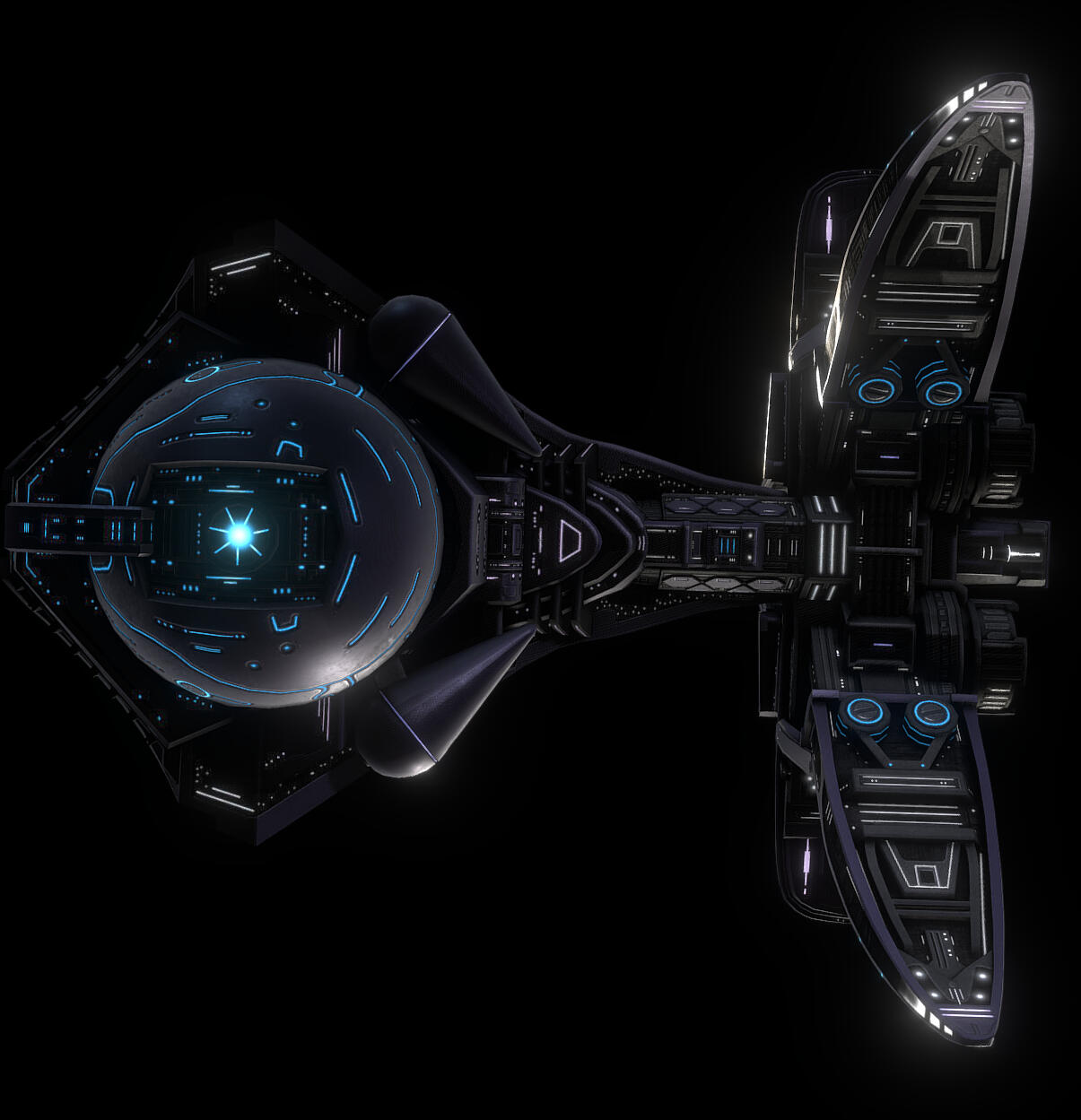
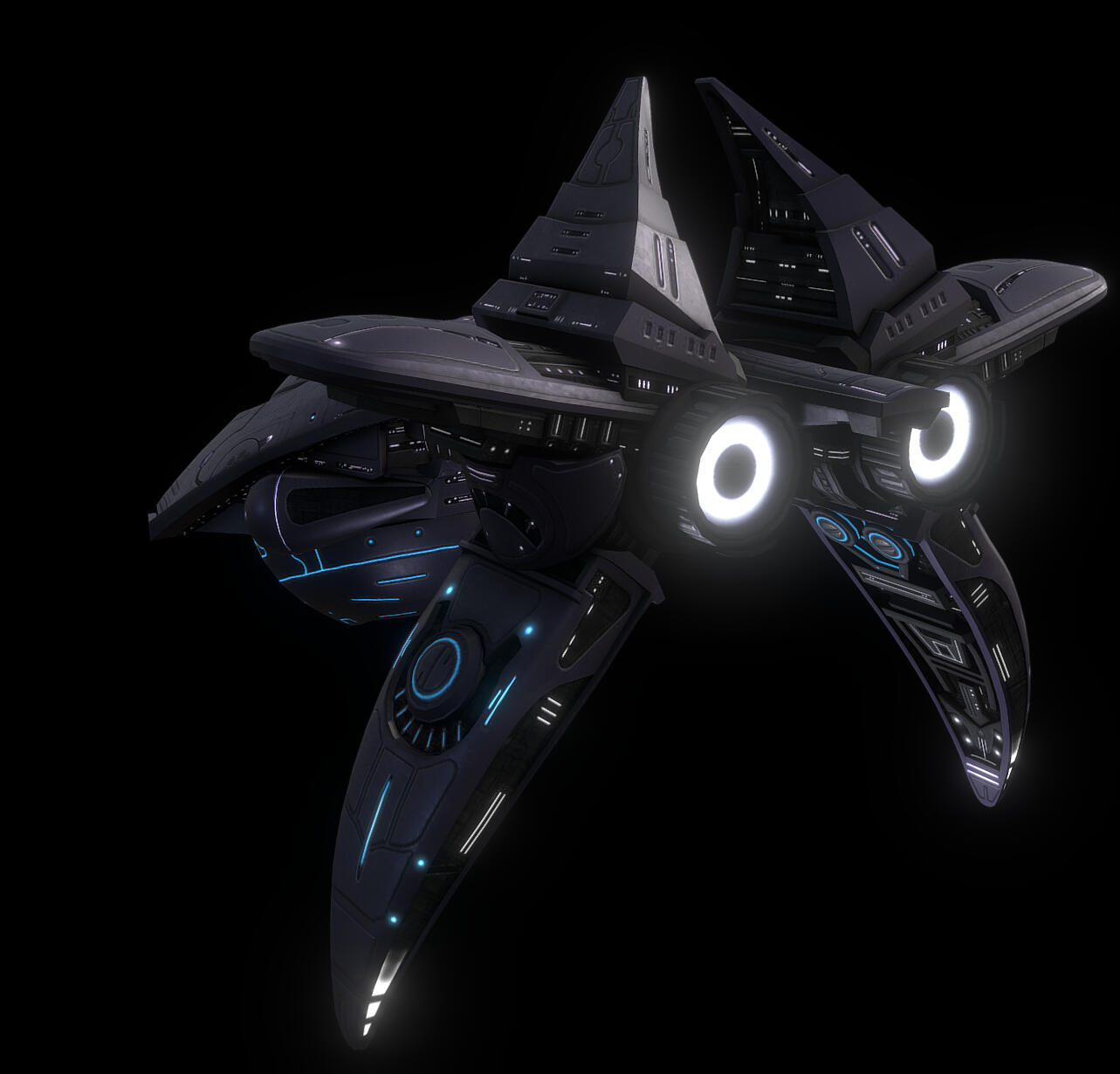
The Chernobog-Class Destroyer measures 1,664 meters in length, 1,350 meters in width, displacing roughly 155 million metric tons. Named after the Slavic god of darkness and ruin, its role in fleet combat is that of an aggressive glass-cannon glassing platform and heavy bombardment engine, engineered to execute high-speed flank runs, bypass heavy capital shields, and rain devastating plasma down on surface targets or static orbital emplacements.Chernobog operates at full combat effectiveness with a crew of 180 officers, gunners, and propulsion specialists. A skeleton crew of merely 20 personnel can maintain basic sub-light maneuvers, engine vectoring, and reactor stability during transit, allowing vast numbers of these vessels to be fielded without straining the fleet's personnel reserves.The destroyer is armed with 1 standard particle beam emitter for glassing and heavy firepower. This main gun is bolstered by 2 plasma beam emitters, 24 plasma cannons for broadside salvos, 6 tracking plasma torpedo silos, and an intense planetary saturation suite of 40 plasma bombardment mortars. Point-defense duties and fighter interdiction are handled by a grid of 20 pulse laser turrets, all supported by a high-output directional shield generator and nanolaminate composite plating.Given its focus as a dedicated bombardment and line-breaker asset, the Chernobog maintains a reduced internal flight deck. Its air wing compliment consists of 60 strike craft, primarily fast interceptors for point-defense screening and dedicated assault dropships used to insert forward targeting teams onto planetary surfaces.For ground operations, the ship carries a specialized deployment force of 5,000 heavy assault troops and combat engineers. This force is optimized for fast orbital drop insertion, tasked with securing drop zones, destroying planetary shield generators, or marking high-priority targets for the vessel's main overhead plasma batteries.
Mokosh-Class Fleet Support Ship
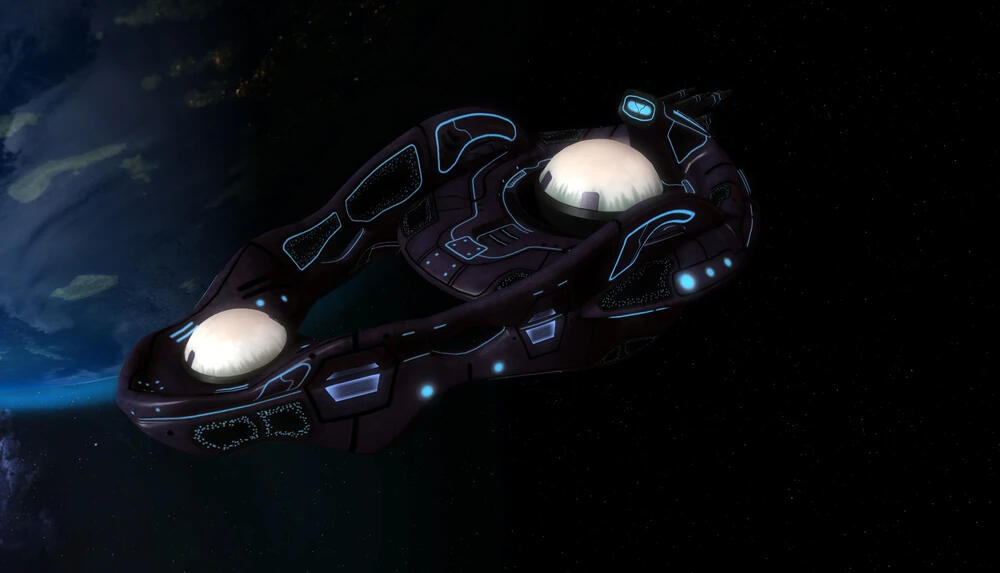
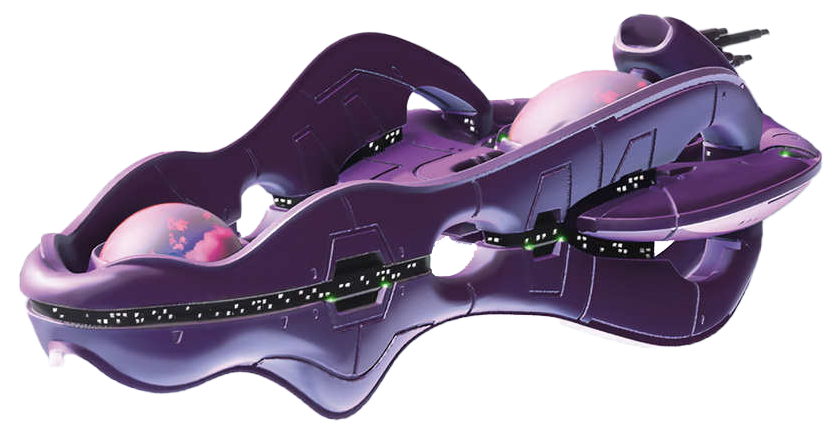
The Mokosh-Class Fleet Support Ship measures 1,550 meters in length, stands 400 meters in height, and displaces 82 million metric tons. Named after the Slavic goddess of harvest, earth, and sustenance, the vessel acts as the primary logistical backbone for long-range Aelantaran task forces, ensuring battle fleets maintain operational self-sufficiency without needing to break campaign tempo.With high-level automation handling material refinement, cargo sorting, and mechanical assembly lines, the Mokosh requires an optimal crew of only 120 officers, logistical coordinators, and flight operations personnel to maintain full operational efficiency. A skeleton crew of just 30 personnel can easily manage basic sub-light propulsion, local power distribution, and primary shielding during long-distance transit or rear-guard positioning.While primarily a logistical platform, its defensive and operational footprint centers on broad spectrum sustainment and point security. Its layout incorporates 12 heavy plasma cannon arrays and 8 plasma torpedo silos to repel opportunistic raiders, alongside 20 pulse lasers for close-in interception. Integrated directly into its support superstructure are high-capacity automated repair gantries, fabrication foundries, and raw material processing nodes, allowing the hull to conduct mid-space refits and replenish task force consumables during active campaigns.Its internal hangars accommodate an air wing complement of 80 utility craft, heavy cargo dropships, and maintenance tugs. These specialized vessels handle rapid ship-to-ship supply transfers, salvage recovery, and field repairs under active deployment conditions.For surface logistics and forward staging, the ship carries a dedicated ground complement of 1,500 combat engineers, quartermaster corps, and security personnel. This force is equipped with heavy mechanized construction rigs, automated resource harvesters, and mobile fortification units designed to construct forward supply hubs and repair yards directly on planetary surfaces.
Screening
Garmr-Class Frigate
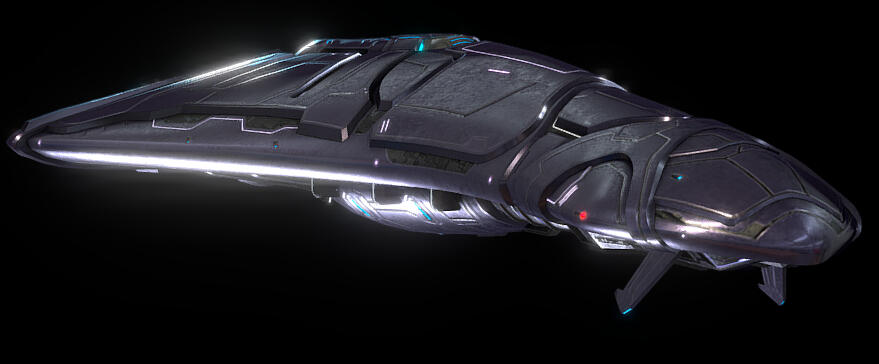
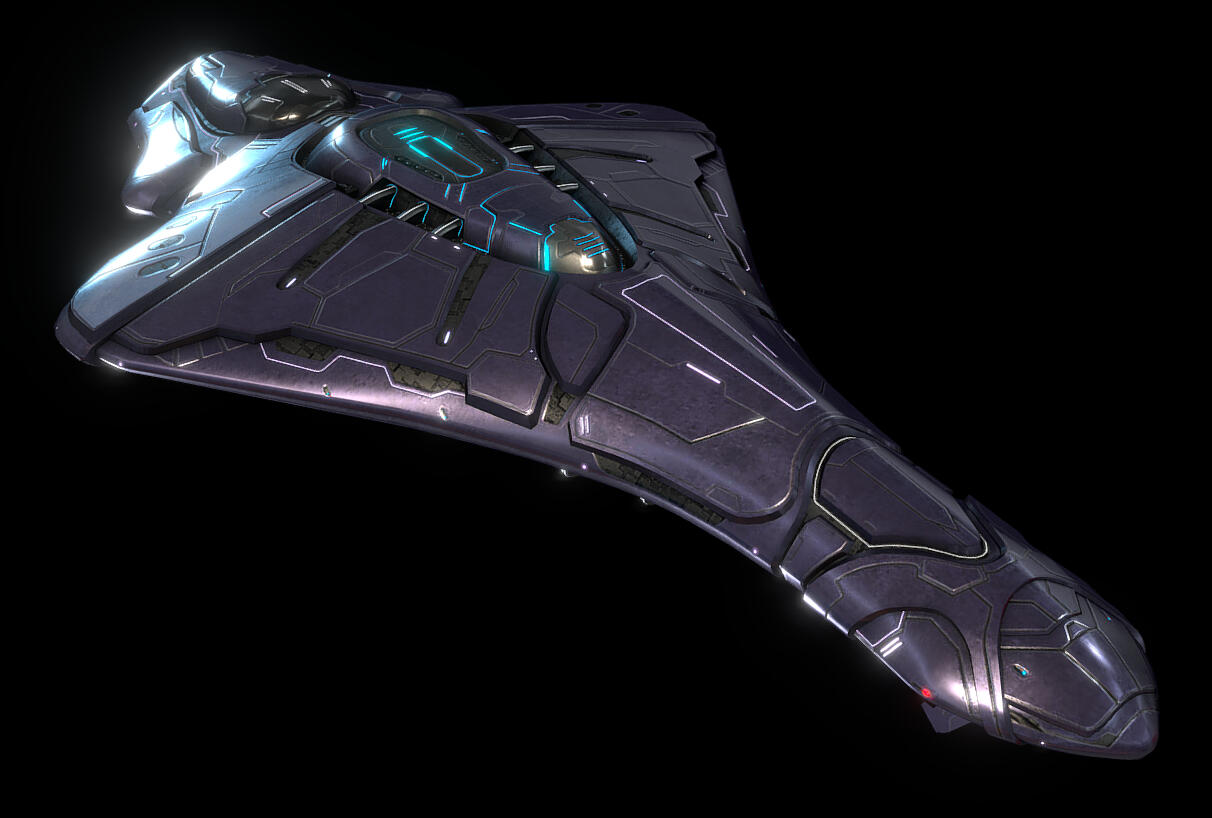
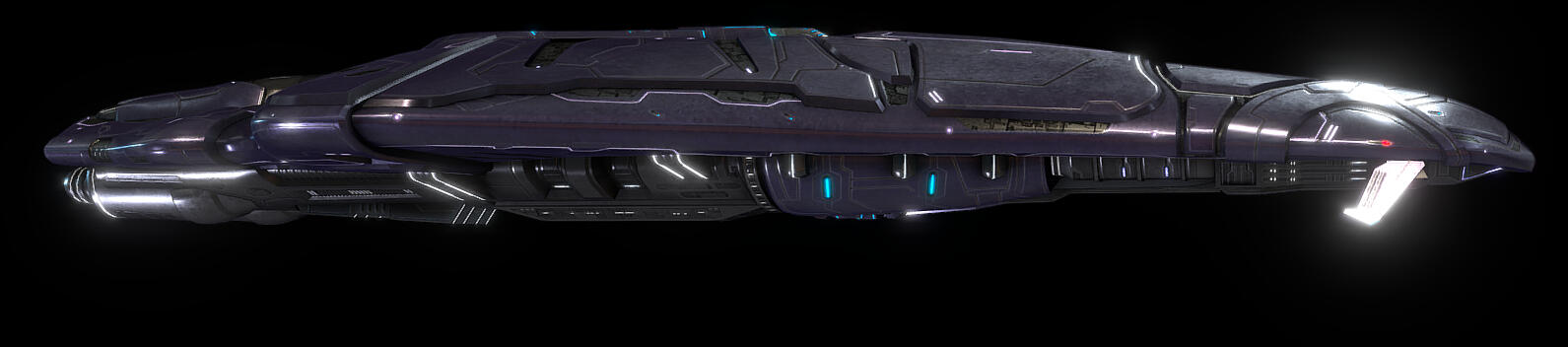
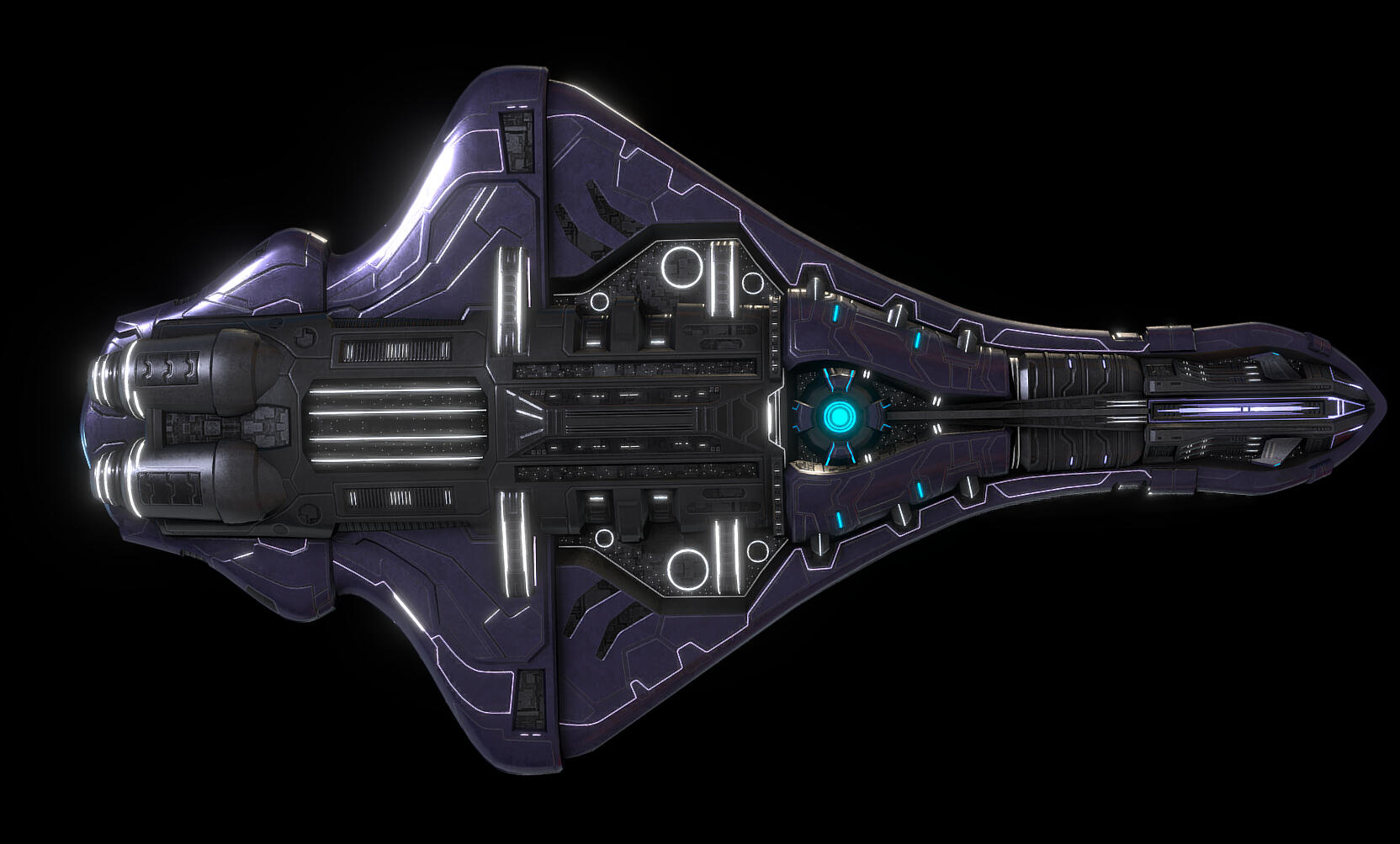
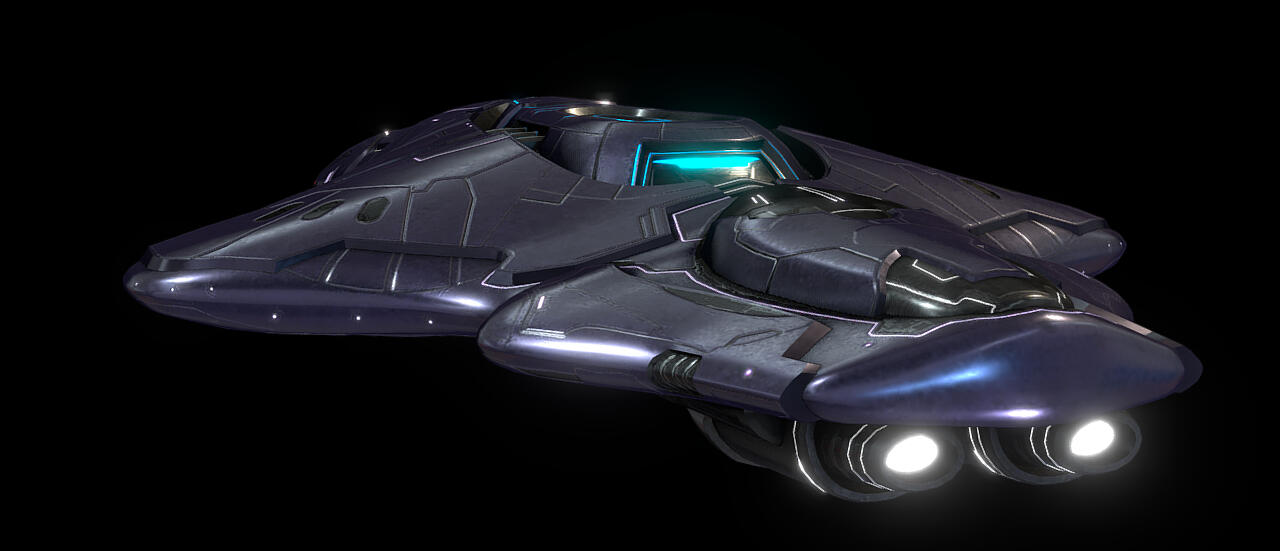
The Garmr-Class Frigate measures 1,000 meters in length, 399 meters in width, and 175 meters in height, displacing roughly 34 million metric tons. Named after the blood-soaked hound of Hel, its role in fleet combat is that of an aggressive fast-attack escort, reconnaissance hunter, and troop insertion platform, engineered to swarm larger enemy capital ships, screen major carriers, and slip past planetary defense networks for clandestine drops.Garmr requires an optimal crew of only 50 officers, pilots, and systems technicians to operate at full combat efficiency. A skeleton crew of just 10 personnel can easily manage basic sub-light engine vectoring, life support, and dimensional transits during routine scouting missions or long-range escorts.Its offensive layout focuses on rapid, high-impact localized strikes rather than sustained capital bombardment. The vessel relies on 1 plasma lance, supported by 2 plasma beam emitters, 30 plasma cannons, 4 plasma torpedo silos, and 8 pulse lasers. For defensive coverage against enemy fighters and incoming torpedo salvos, it features 16 automated pulse laser turrets, backed by a quick-cycling, high-speed energy shield grid and layered composite nanolaminate armor.Despite its compact frigate hull, the Garmr uses space-efficient ventral launch bays to house an internal air wing complement of 24 strike craft. This force consists primarily of fast-attack interceptors and stealth insertion dropships designed to clear immediate airspace and cover covert planetary landings under active jammer screens.For surface operations and stealth infiltration, the ship carries a dedicated ground complement of 2,500 assault troops and drop shock personnel. This force is heavily equipped with mechanized raiding vehicles, combat breaching gear, and specialized reconnaissance equipment to carry out rapid-strike raids, seize key orbital infrastructure, or establish forward observation posts ahead of the main invasion force.
Vangr-Class Corvette
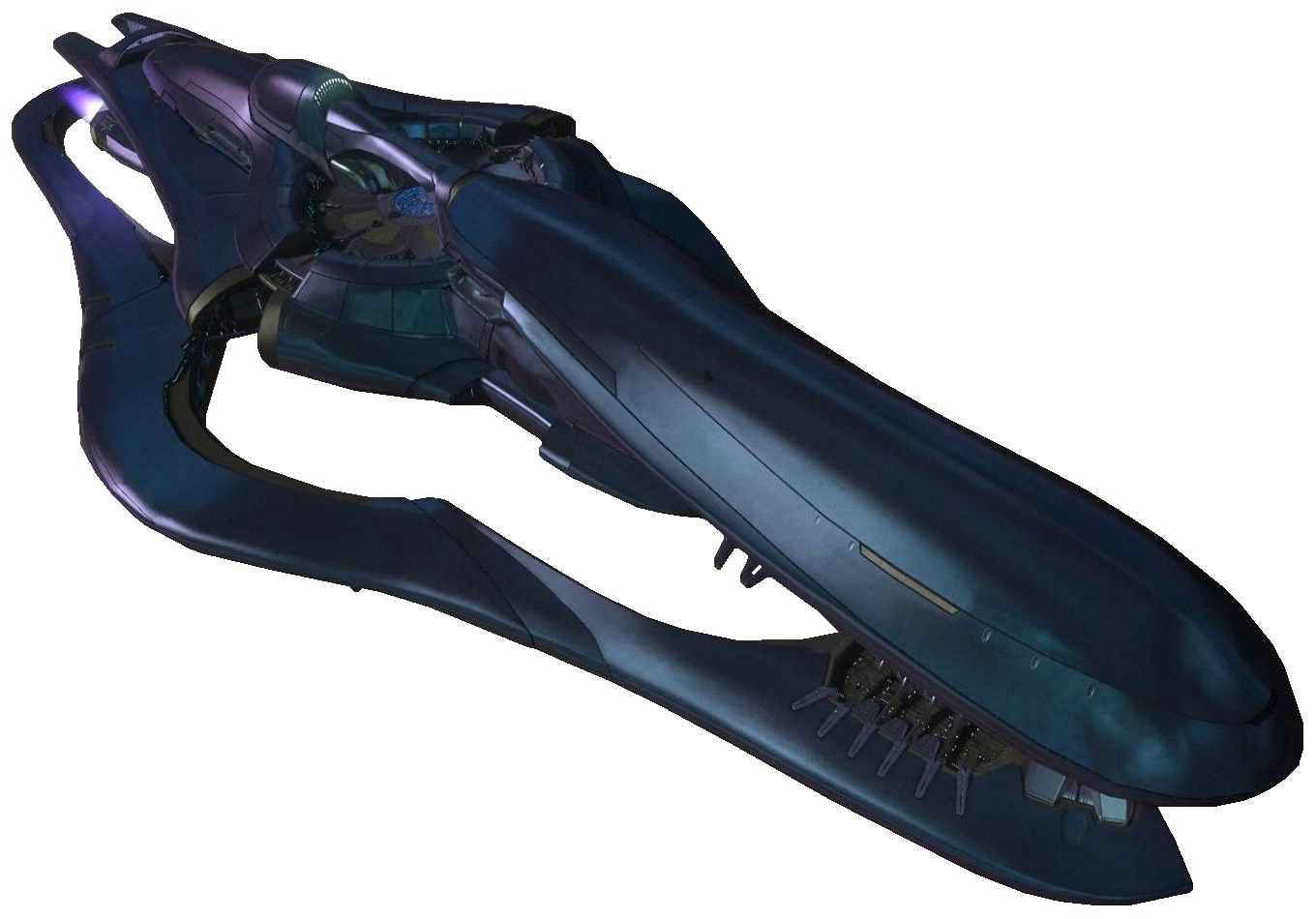
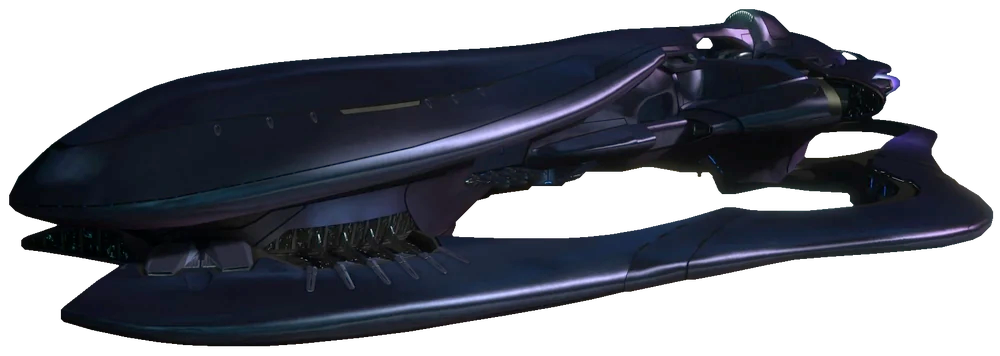
The Vangr-Class Corvette measures 956 meters in length, 399 meters in width, and 175 meters in height, displacing roughly 8 million metric tons. Named after the fallen warriors of legend, its role in fleet combat is that of a fast-attack picket, system patrol boat, and wolfpack raider, engineered to hunt in coordinated packs along flank sectors, interdict supply lines, and screen task forces against stealth craft and incoming ordnance.The Vangr operates at peak combat capability with a lean optimal crew of just 25 officers and specialists. A bare-minimum skeleton crew of only 5 personnel can pilot the ship, maintain primary reactor containment, and manage light dimension jumps during patrol sweeps.Its primary surface-to-surface and ship-to-ship firepower centers on 6 heavy plasma cannons, supported by a heavy ground-saturation suite of 16 plasma bombardment mortars designed to rain plasma onto surface installations. For defense against incoming missiles and strike craft, the vessel relies on 11 automated pulse lasers, backed by high-agility directional shielding and lightweight nanolaminate composite plating.The Vangr carries a complement of about 50 air/space craft made up fighters, interceptors, and dropships.For ground and boarding operations, the ship maintains a specialized complement of 1,250 troops counter-boarding operatives. Outfitted for rapid orbital insertion and vessel breaching, this contingent is deployed primarily to secure captured enemy craft, perform sabotage raids on space stations, or execute high-value target extraction missions.
Morana-Class Stealth Corvette
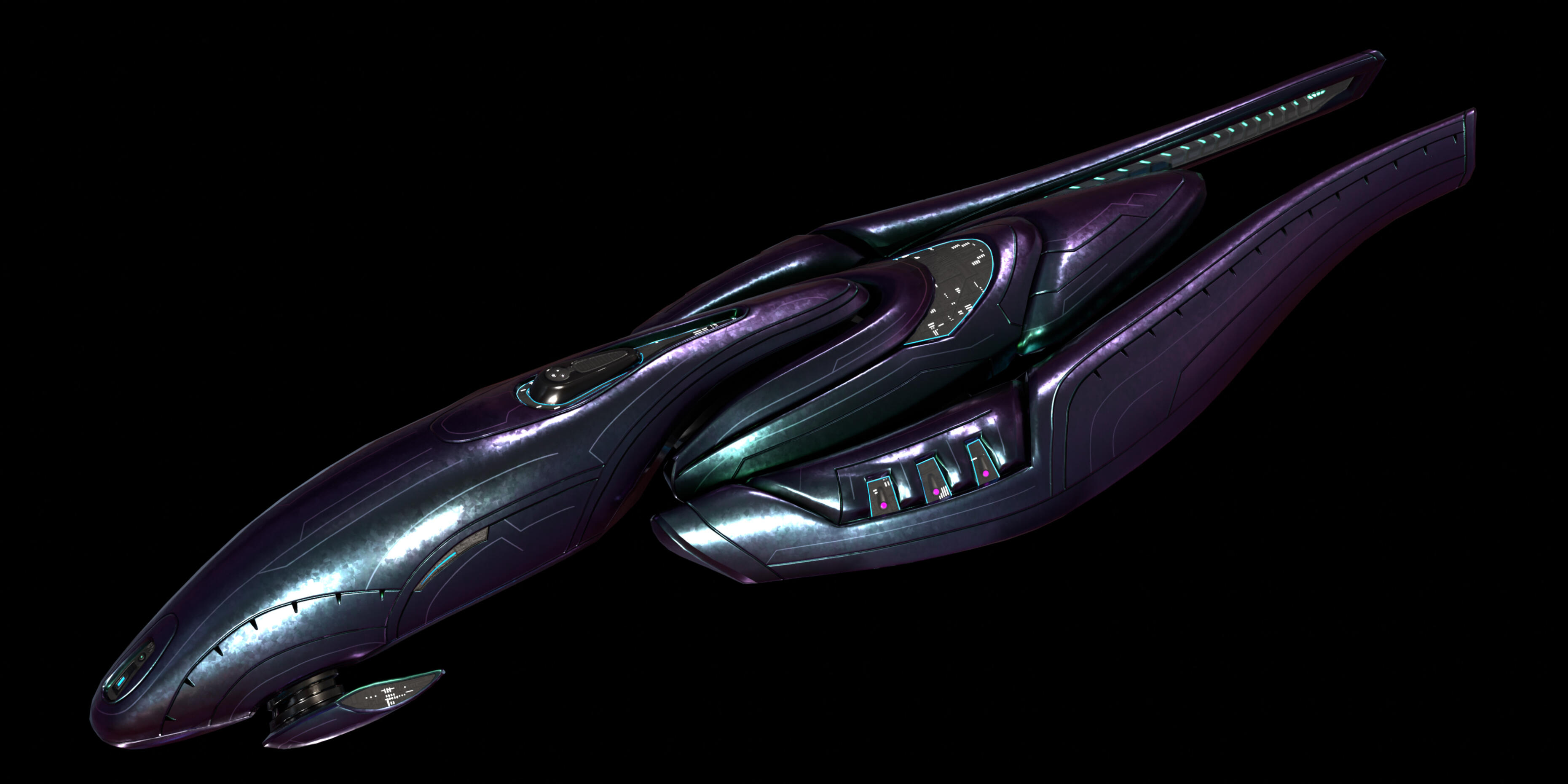
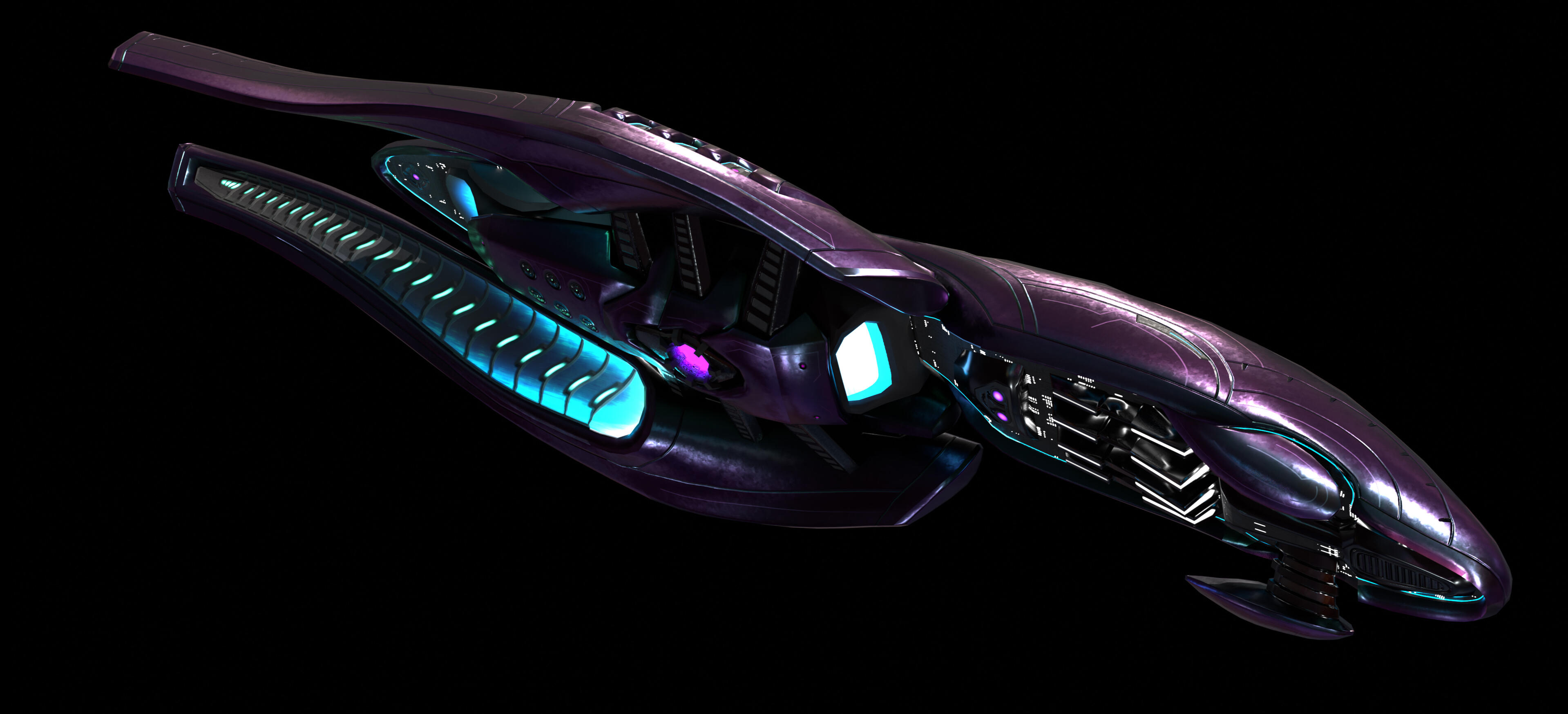
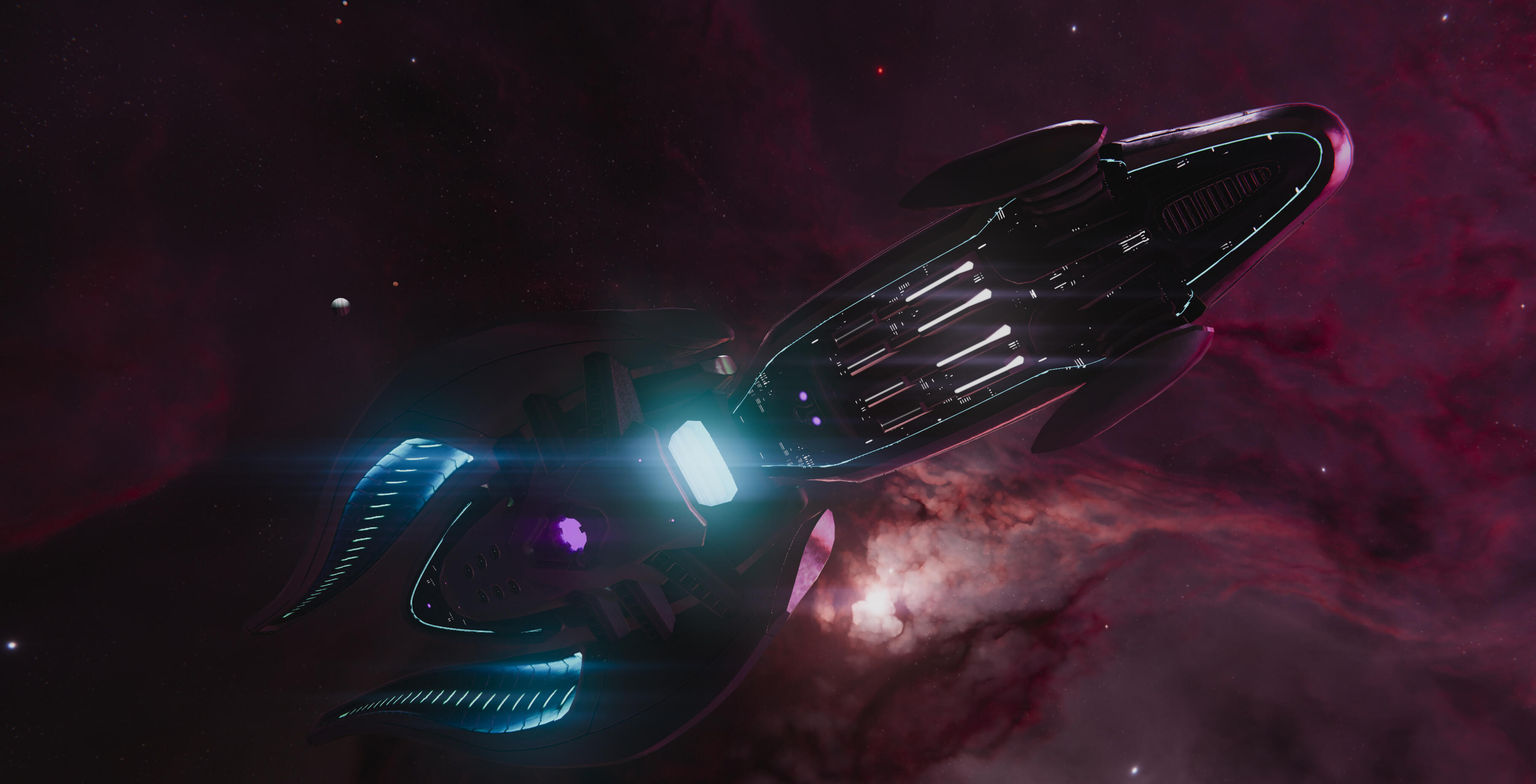
The Morana-Class Stealth Corvette measures 464 meters in length, 151 meters in width, and 65 in height, displacing a 600,000 metric tons due to its heavily shielded hull and specialized reactor core. Named after the Slavic goddess of winter, shadow, and death, the vessel functions as an elite covert infiltration platform, planetary recon asset, and fleet screen shroud, engineered to operate undetected deep behind enemy lines or veil entire friendly task forces during ambush maneuvers.With high-level automation handling power routing, stealth field modulations, and localized sensor suppression, the Morana requires an optimal crew of only 25 officers, covert operations specialists, and systems technicians to operate at peak efficiency. A skeleton crew of just 5 personnel can easily maintain sub-light maneuvering, environmental containment, and basic defensive systems during long-range surveillance transit.The corvette relies on 3 heavy plasma cannons and one plasma lance for targeted anti-ship strikes, and 8 plasma bombardment mortars designed for orbital surgical strikes and planetary fire support, backed by 6 pulse lasers for close-range defense. Integrated into its core superstructure is a high-output stealth field generator capable of projecting a localized concealment bubble. When fully energized, this field masks the vessel, and any adjacent friendly ships within its designated radius, from all EM spectrum wavelengths, acoustic detection, and sensory signatures, while completely blocking magical and psychic sensing methods from penetrating its perimeter.Its internal bay accommodates an air wing complement of 26 stealth insertion craft or reconnaissance drones. These specialized vehicles operate directly within the mother ship's concealment envelope to deploy scouting teams, conduct signal intelligence, or execute silent boardings under complete sensor blackouts.For ground infiltration and covert strike missions, the ship carries a dedicated ground complement of 600 covert operators. This force is equipped with personal active-camo gear, silent breaching kits, and specialized sabotage equipment designed to destroy orbital arrays, eliminate high-value targets, or secure beachheads before the primary fleet arrives.
Domovoy-Class Pickett Cruiser
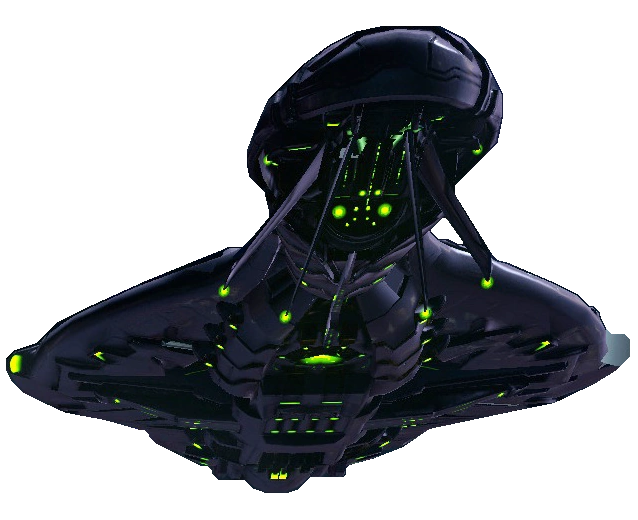
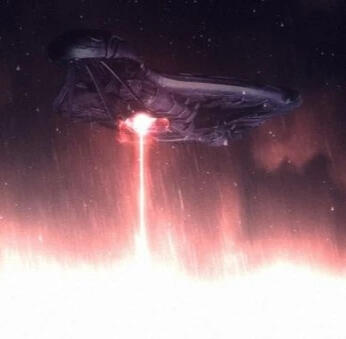
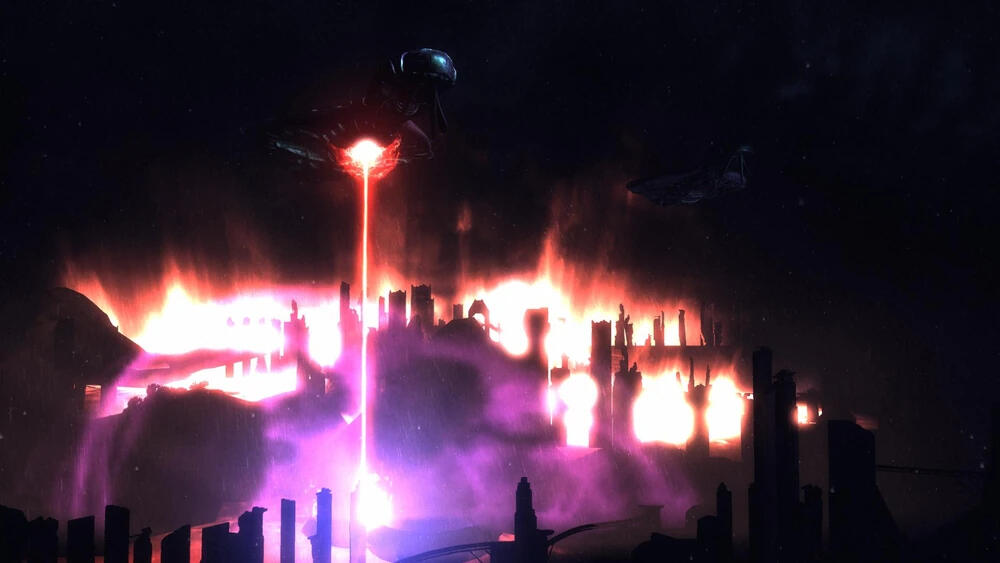
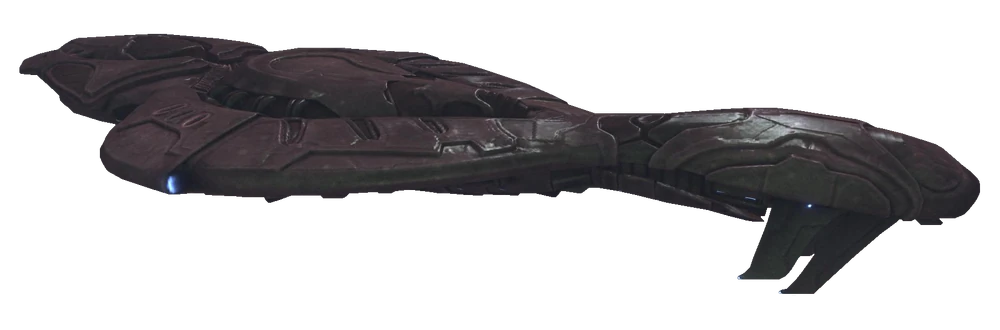
The Domovoy-Class Picket Cruiser measures 300 meters in length, 145 meters in width, and roughly 60 meters in height, displacing 190,000 metric tons. It is a scaled down version of the Veles-Class, its capabilities similar but scaled down. Named after the protective household spirits of Slavic folklore, its role in fleet combat is that of an agile picket escort, recon scout, and perimeter screen, engineered to patrol task force borders, hunt enemy stealth craft, and intercept incoming torpedo salvos before they reach the main battleline.Using high-grade automation the Domovoy operates at full combat capability with a lean crew of 12 officers and tech-specialists. A skeleton crew of merely 2 personnel can handle navigation, sub-light propulsion, and basic sensor operations during long-range recon sweeps or orbital picket duties.Despite its small hull size, the ship packs a lethal precision armament led by 1 light particle beam emitter for direct surface burning and armor cutting. Its primary energy projection is reinforced by 2 plasma beam emitters, 4 plasma beam lasers, and 6 plasma torpedo silos. Its defense relies on a high-speed, fast-recharging light shield envelope paired with dense, lightweight nanolaminate composite plating.The ship contains a single internal hangar bay optimized for quick-turnaround operations rather than sustained air group deployment. Its flight craft complement consists of 12 fast-attack interceptors and 8 shuttle craft, used primarily for perimeter patrols, sensor buoy deployment, and pilot recovery.For boarding defense, planetary drops, and security actions, the cruiser carries a dedicated ground complement of 500 shock troops and security personnel. This agile force is equipped for rapid orbital insertion, facility security, and counter-boarding operations.
Likho-Class Pickett Destroyer
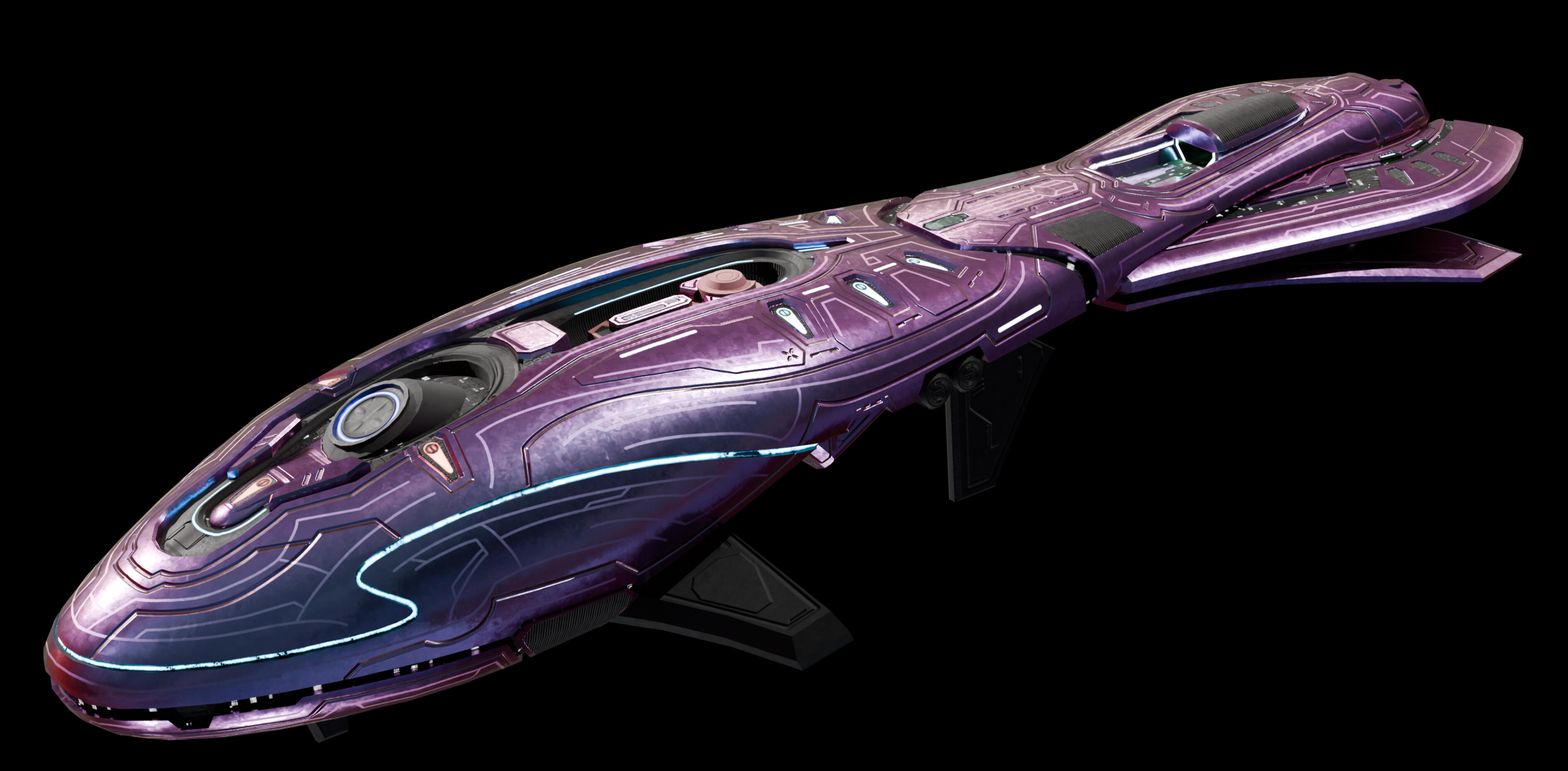
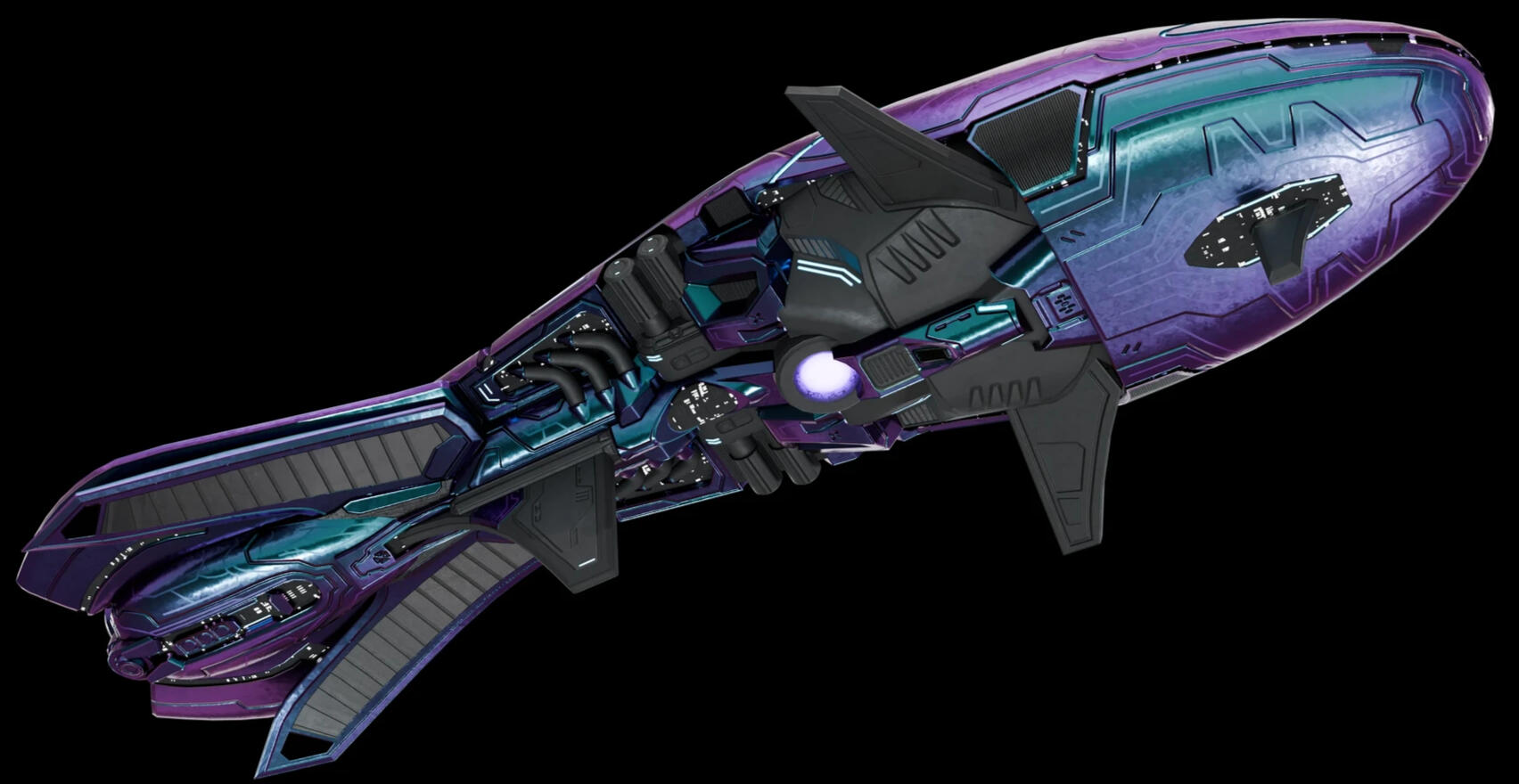
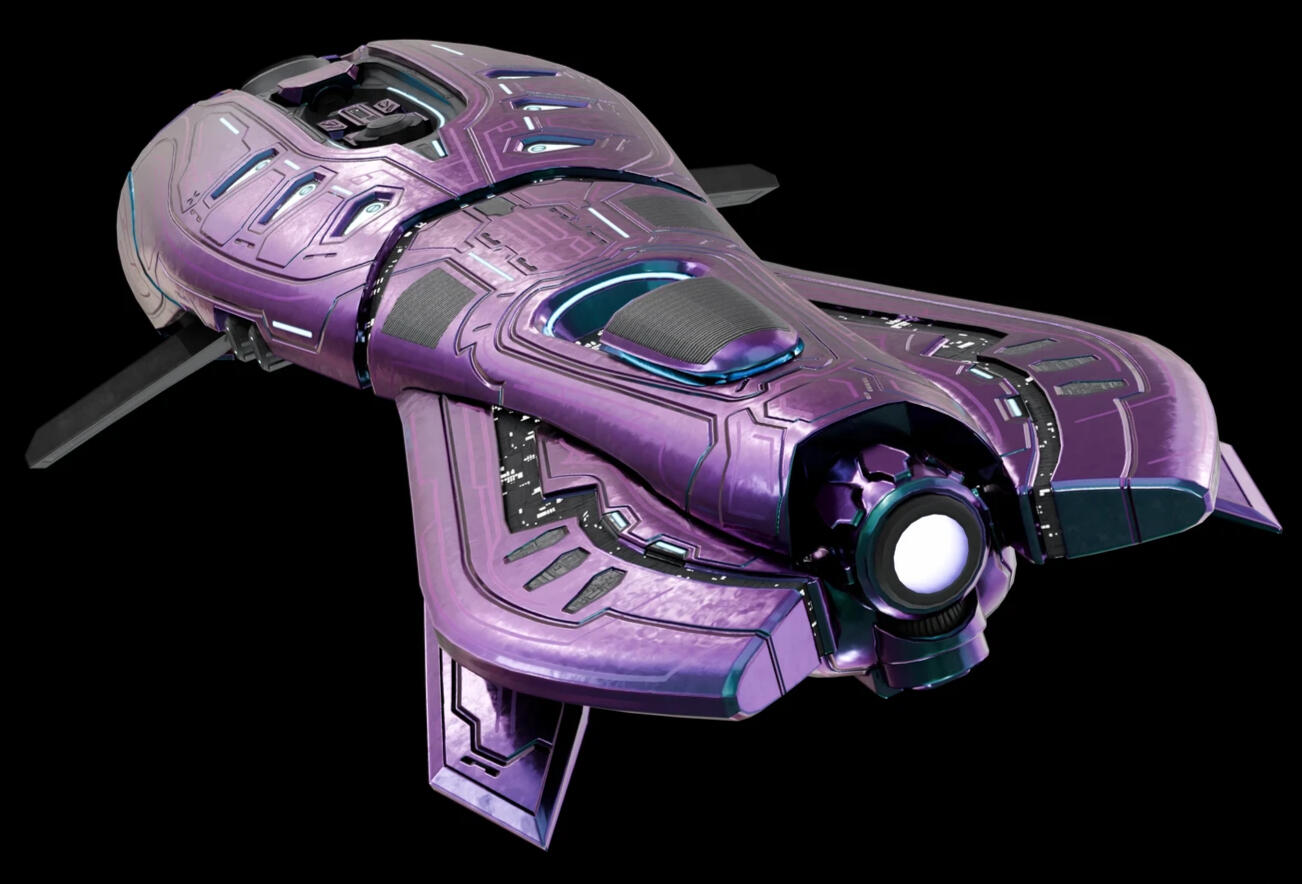
The Likho-Class Pickett Destroyer measures 380 meters in length and displaces 640,000 metric tons. The vessel is engineered as a line-breaker and shock platform, designed to sprint directly into the heart of opposing fleet formations, disrupt spacing, and force immediate breaches in defensive lines.With automation handling overcharged sub-light vectoring, local energy transfer, and ordnance arming, the Pickett Destroyer operates with an optimal crew of just 10 officers, pilots, and combat engineers. A skeleton crew of 2 personnel can maintain basic sub-light maneuvers and power distribution during transit or formation approach.The destroyer features 1 heavy plasma lance, 3 heavy plasma beam emitters, and 6 standard plasma beam emitters.Its internal bay accommodates an air wing complement of 10 strike craft, used to clear immediate forward space during its charge or insert shock teams into disabled target craft.For boarding operations and surface assault, the ship carries a dedicated ground complement of 250 troops.
Music
This section is for music related to Vali, If you wish to play something while reading through, I offer either direct SoundCloud embeds into his carrd. Background play is enabled so it will play in other sections.Or Spotify links to his two playlists